
"Marooned" and the Risks of Spaceflight
"Marooned" (1969) examines the dangers of human spaceflight through a tense rescue mission that reflects the optimism, risks, and technical challenges of the Apollo era.

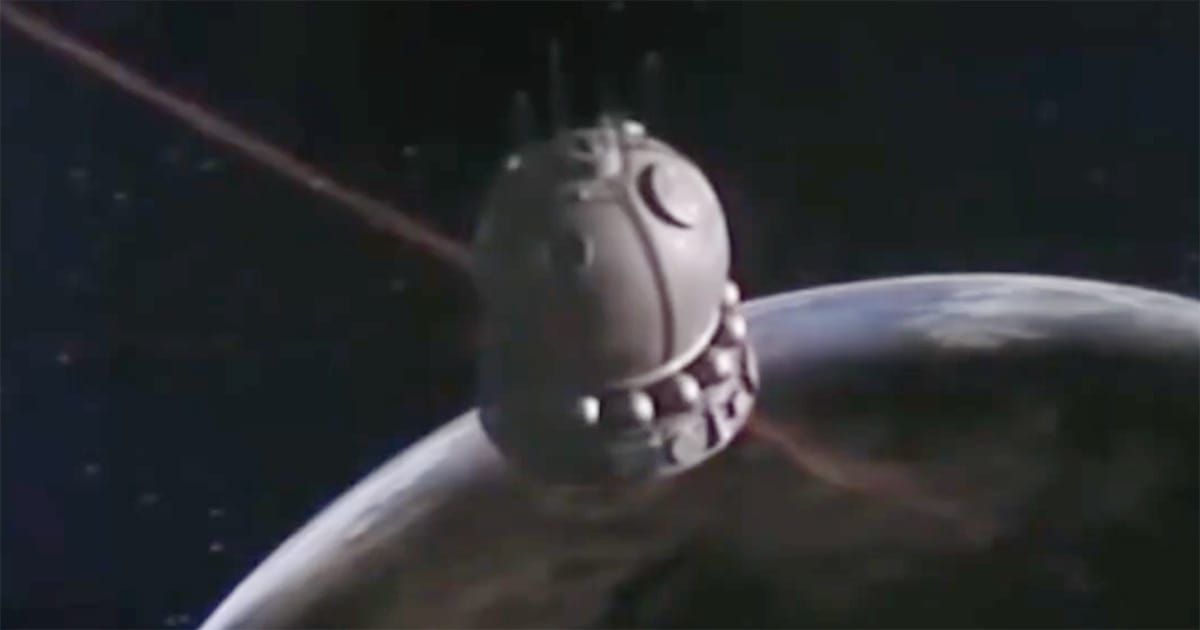
"Marooned" arrived in theaters in 1969 during one of the most remarkable periods in the history of space exploration. The United States and the Soviet Union were engaged in a competition that pushed technological achievement to unprecedented heights, while NASA was preparing to place men on the Moon.
Public fascination with astronauts, spacecraft, and the possibilities of human spaceflight had become part of everyday life. Unlike many science fiction films that looked centuries into the future, "Marooned" focused on a future that seemed only a few years away. The film begins with a straightforward but unsettling premise. Three American astronauts find themselves stranded in Earth orbit after a malfunction leaves their spacecraft unable to return home.
What follows is not an adventure across distant worlds or a confrontation with alien life. Instead, the story concentrates on the growing crisis facing the crew and the increasingly desperate efforts to bring them safely back to Earth. The vast emptiness of space becomes the film's primary source of danger, reminding viewers how thin the margin for survival can be beyond the atmosphere.
Director John Sturges approached the material with a seriousness that reflected the era's respect for the space program. The film unfolds more like a rescue drama than a conventional science fiction spectacle. Attention is given to procedures, technical challenges, and the difficult decisions made by both astronauts and mission planners. Suspense emerges from uncertainty and limited options rather than action sequences or special effects.
More than five decades after its release, "Marooned" remains an intriguing entry in the science fiction genre. Its lasting appeal comes from its ability to transform a technical emergency into a compelling human story. By grounding its drama in realistic circumstances and believable characters, the film captures both the excitement and the risks that defined the Space Age.
| Attribute | Details |
|---|---|
| Title | Marooned |
| Director | John Sturges |
| Writer | Mayo Simon, based on the novel by Martin Caidin |
| Actors or Actresses | Gregory Peck, Richard Crenna, David Janssen, James Franciscus, Gene Hackman |
| Rated | G |
| Runtime | 134 min |
| Box Office | Approx. $4.1 million (U.S. and Canada rentals) |
| U.S. Release Date | December 11, 1969 |
| Quality Score | 7.5/10 |
Synopsis
The story follows three American astronauts returning from an extended mission in Earth orbit. What should have been a routine conclusion to their flight becomes a crisis when a critical malfunction leaves their spacecraft unable to perform the maneuvers necessary for reentry.

Safe above the planet but unable to return to it, the crew finds itself trapped in one of the most hostile environments imaginable. The mission quickly shifts from a successful spaceflight to a race against time as the astronauts confront the possibility that rescue may not arrive before their supplies are exhausted.
Back on Earth, mission controllers and government officials search for a solution. Every available option carries enormous risk, and each passing hour reduces the crew's chances of survival. Engineers work to develop an emergency rescue plan while the astronauts attempt to conserve oxygen and maintain their composure. The contrast between the busy control rooms on Earth and the confined spacecraft in orbit creates much of the film's tension. Both groups understand the severity of the situation, yet neither can afford panic.
As conditions aboard the spacecraft continue to deteriorate, a rescue mission is launched in the hope of reaching the stranded astronauts before it is too late. The operation requires precision, courage, and a willingness to accept extraordinary risks. What follows is a suspenseful effort to accomplish a task that has never been attempted under such circumstances.
The film builds steadily toward its conclusion, emphasizing the determination of those involved and the enormous challenges presented by human spaceflight. By the end, "Marooned" delivers a resolution that highlights both the fragility of life in space and the dedication of those committed to bringing explorers home.
Theme
One of the most important themes in "Marooned" is the relationship between human life and technology. The spacecraft, computers, and communication systems represent some of mankind's greatest achievements, yet the film never allows viewers to forget how fragile those achievements can be.
A single malfunction is enough to transform a successful mission into a life-or-death emergency. The technology that carries the astronauts into orbit is remarkable, but it is not infallible. Rather than presenting machines as masters of human destiny, the film reminds viewers that technology remains a tool created by imperfect people. The crisis at the center of the story demonstrates that progress often creates new dangers even as it solves old ones.
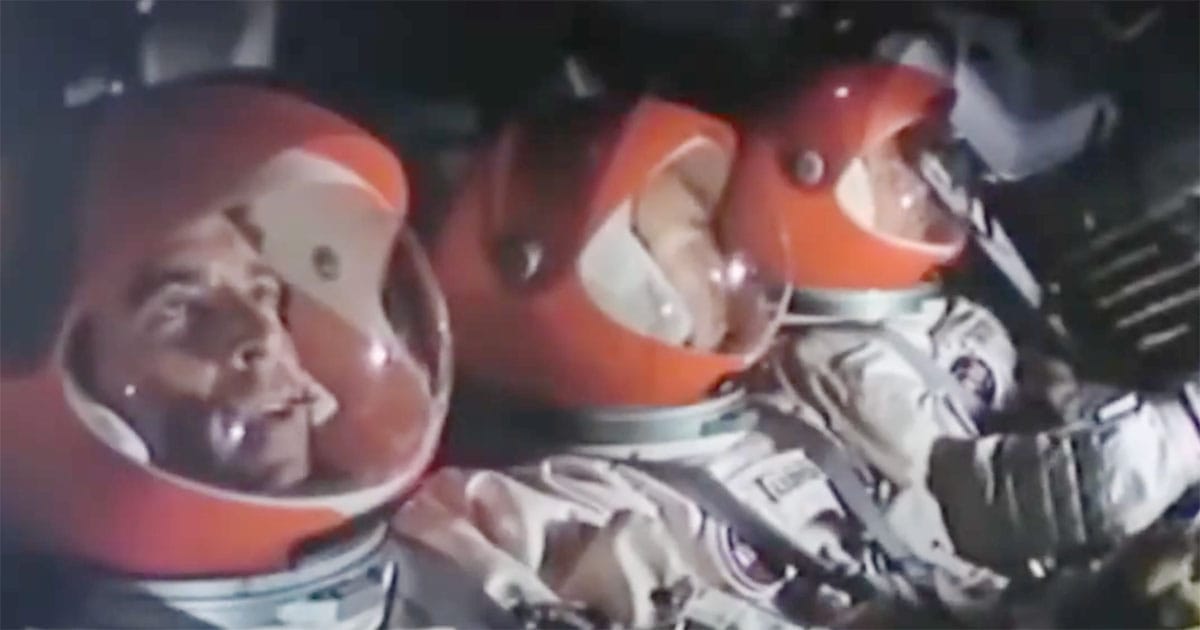
Closely connected to this idea is the film's emphasis on professional competence. Many science fiction stories focus on extraordinary individuals who succeed through exceptional abilities or acts of personal heroism. "Marooned" takes a different approach. The astronauts, engineers, and mission planners perform their duties with discipline and care.
They rely on training, experience, and careful judgment rather than dramatic displays of courage. The film suggests that civilization depends upon people who remain calm and capable when circumstances become difficult. In this respect, the story celebrates professionalism as a virtue. The heroes are not larger-than-life figures. They are skilled men attempting to solve a problem with the tools and knowledge available to them.
The theme of sacrifice also plays an important role throughout the film. Space exploration carries risks that cannot be completely eliminated, and the characters understand this reality from the beginning. As the rescue effort develops, individuals are asked to place themselves in danger for the sake of others.
The film treats these decisions with seriousness and restraint. Sacrifice is not presented as reckless behavior or a search for glory. Instead, it emerges from a sense of responsibility toward fellow human beings. The willingness to accept personal risk in order to save others becomes one of the story's strongest moral statements. The film argues that courage is measured not by dramatic speeches but by actions taken when duty demands them.
Another significant theme involves faith in human ingenuity. Although the situation appears hopeless at times, the characters refuse to surrender to despair. Scientists, engineers, and astronauts continue searching for solutions even when success seems uncertain. The film reflects a belief that difficult problems can be addressed through intelligence, cooperation, and persistence.
This confidence in human problem solving was a defining feature of the Space Age. During a period when mankind was expanding its reach beyond Earth, many people believed that determination and knowledge could overcome challenges that once appeared impossible. "Marooned" captures that spirit without ignoring the obstacles that stand in the way of success.
Perhaps most interesting is the film's portrayal of exploration itself. The story acknowledges the dangers associated with venturing into space, yet it never argues that those dangers should prevent mankind from moving forward.
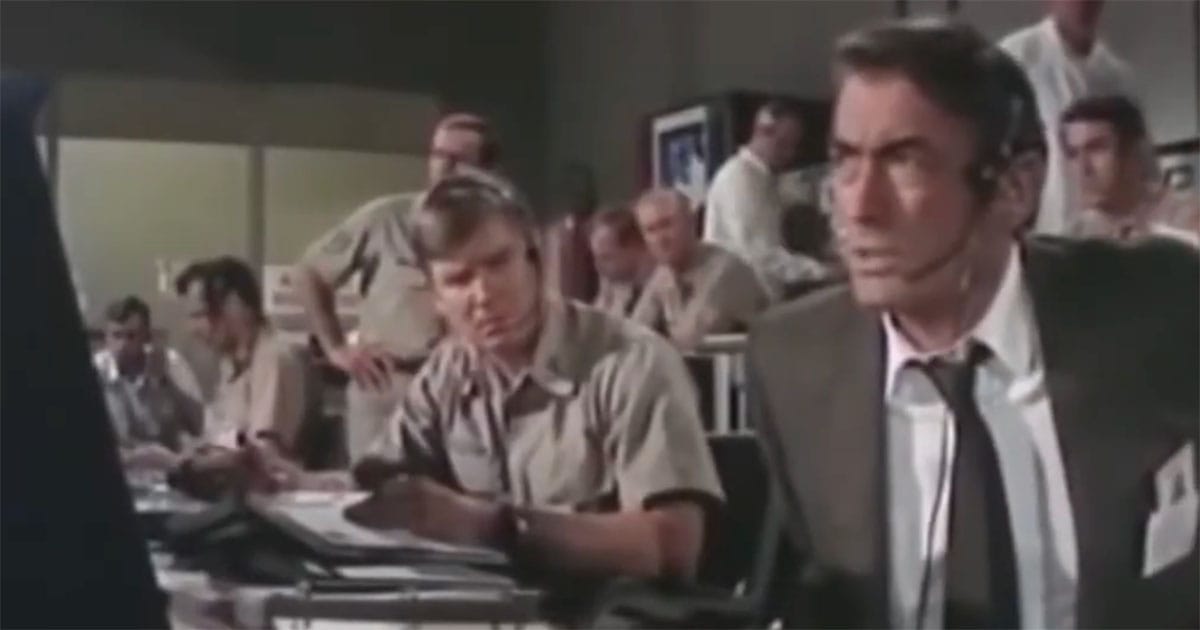
Exploration is presented as a worthwhile endeavor because it expands human knowledge and achievement. The risks are real, but so are the rewards. This perspective reflects the optimism that characterized much of the late 1960s. At a time when astronauts were preparing to walk on the Moon, many viewed spaceflight as evidence of what disciplined effort and national commitment could accomplish.
Taken together, these themes give "Marooned" a seriousness that distinguishes it from many science fiction films of its era. The story is not primarily concerned with futuristic inventions or spectacular visual effects.
Its attention remains focused on people, their responsibilities, and the choices they make under pressure. By examining competence, sacrifice, ingenuity, and exploration, the film presents a vision of humanity that is both realistic and hopeful. More than fifty years after its release, those ideas continue to give the film relevance and enduring appeal.
Who Will Watch This
"Marooned" will appeal most strongly to viewers who enjoy realistic depictions of space exploration. The film was released during the Apollo era and reflects the fascination many people felt with manned spaceflight at the time.
Those with an interest in NASA history, the Space Race, or the practical challenges of operating beyond Earth's atmosphere will likely appreciate the film's attention to detail. Rather than using space as a backdrop for fantasy, it treats it as a real environment governed by physical limitations and genuine risks.
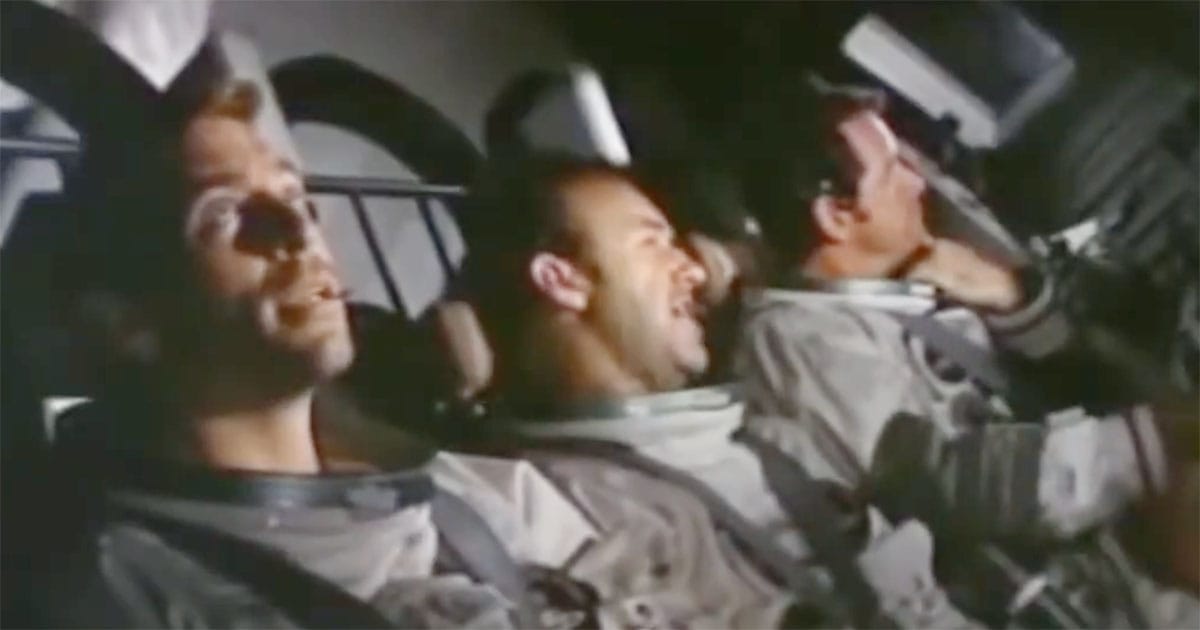
The film may also attract viewers who enjoy procedural dramas. Much of the story revolves around problem solving, decision making, and coordination between highly trained professionals. The tension comes from watching intelligent people confront a difficult situation with limited options available to them.
Audiences who appreciate stories built around planning, engineering, and teamwork may find the film especially rewarding. The emphasis remains on how problems are addressed rather than on action-oriented spectacle. Fans of classic science fiction will likely recognize "Marooned" as a product of a distinct period in the genre's history.
During the 1950s, 1960s, and early 1970s, many science fiction films approached scientific progress with seriousness and curiosity. The film shares more in common with thoughtful space dramas than with the effects-driven blockbusters that would later dominate the genre. Its focus remains grounded in plausible technology and recognizable human concerns. Viewers who appreciate older science fiction often find this approach refreshing because it allows the ideas and characters to remain at the center of the story.

Modern audiences should understand that the film unfolds at a deliberate pace. It takes time to establish its situation, allowing tension to build gradually rather than rushing from one crisis to the next. Some viewers accustomed to contemporary filmmaking may find this approach slower than expected. Others may discover that the measured pacing creates a stronger sense of realism and suspense. The film asks for patience, but it rewards that patience with a story that feels credible and emotionally grounded.
In the end, "Marooned" is best suited for viewers who value thoughtful storytelling over spectacle. It is a film concerned with responsibility, courage, and the challenges of human exploration. Its drama emerges from character and circumstance rather than special effects or action sequences. For those who appreciate mature science fiction and realistic spaceflight narratives, it remains a compelling reminder of an era when the journey beyond Earth captured the imagination of the world.