
"The Difference Engine" When the Information Age Came a Century Early
William Gibson and Bruce Sterling's "The Difference Engine" imagines a Victorian computer revolution and explores how technology, information, and power shape society.

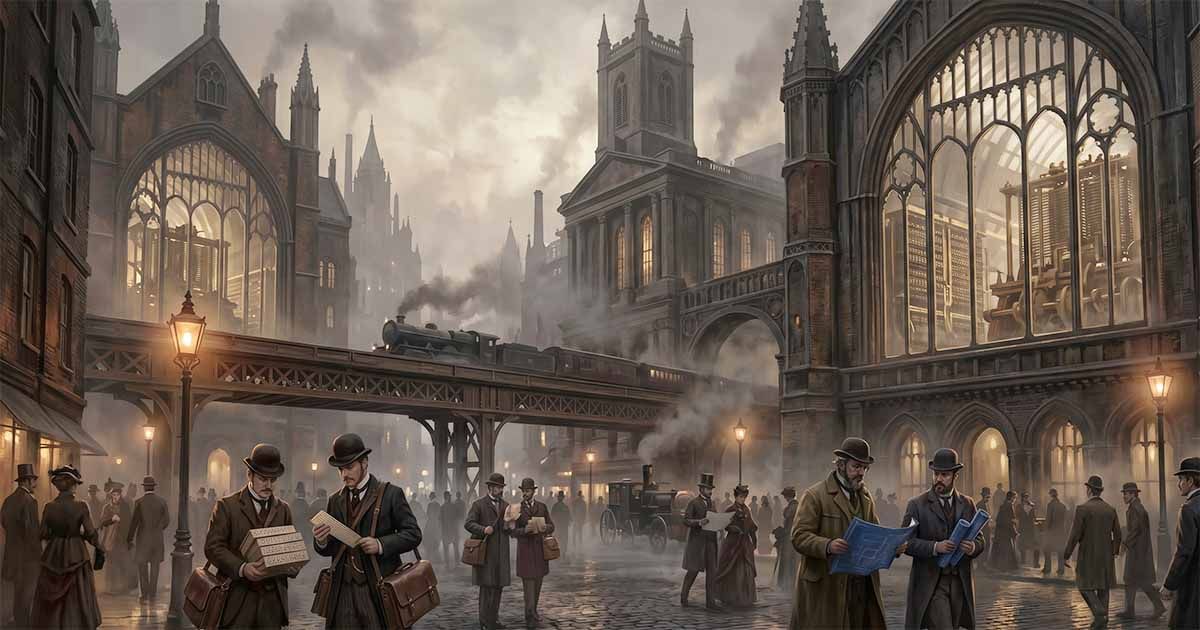
Science fiction has always been fascinated by history's crossroads. A single invention, a single decision, or a single accident can redirect the course of civilization and produce a world very different from the one we know. William Gibson and Bruce Sterling built "The Difference Engine" around precisely that idea, and the result remains one of the most influential alternate-history novels ever written.
Published in 1990, the novel arrived at a time when cyberpunk was still one of the dominant movements in science fiction. Gibson had already become famous for "Neuromancer," while Sterling had established himself as one of the genre's most important editors, critics, and writers. Rather than continue exploring the near future, the two authors turned their attention to Victorian Britain. They carried the concerns of cyberpunk with them, but they transplanted those concerns into a world of steam power, political intrigue, and mechanical computation.
The result is not merely an alternate history. It is a sustained examination of how technology transforms society. More than thirty years after its publication, many of the novel's central ideas feel even more relevant than they did when the book first appeared. Readers may come for the historical speculation, but they are likely to remain fascinated by the broader questions the novel raises about information, power, and human progress.
The Computer Age Arrives Early
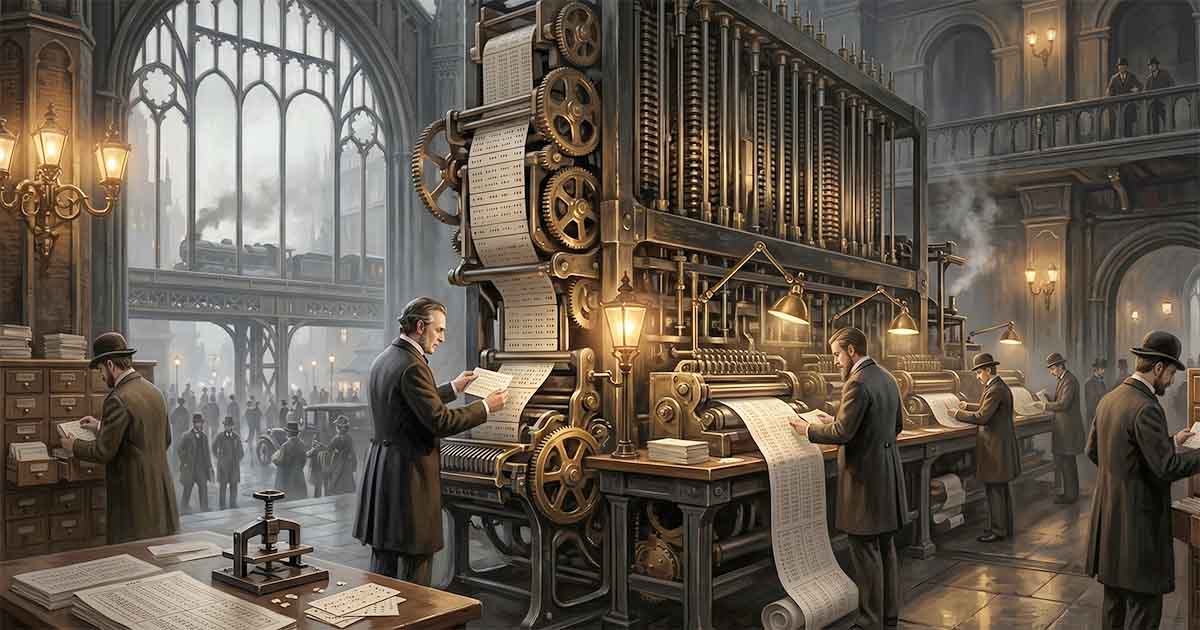
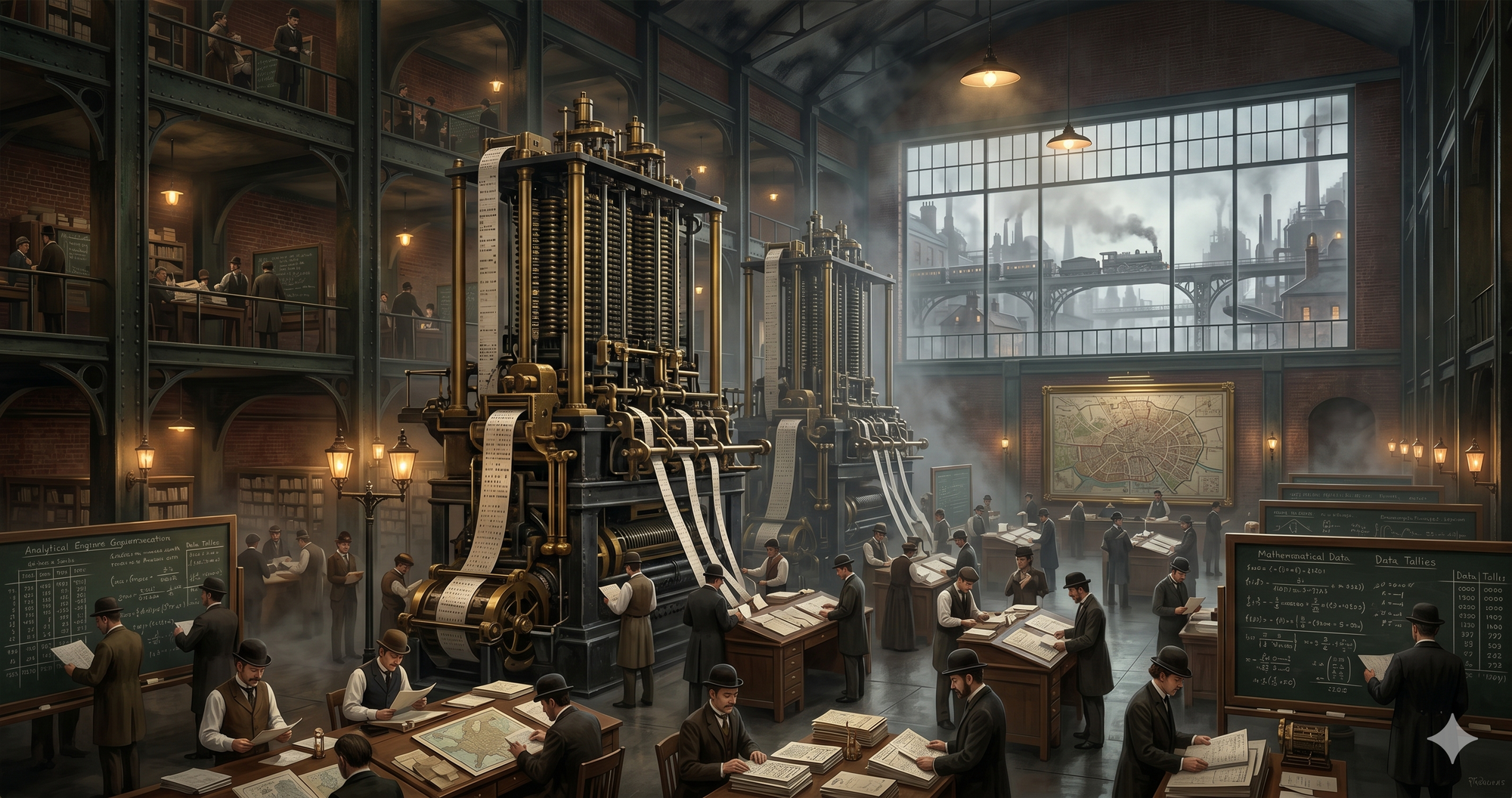
The premise of "The Difference Engine" is both elegant and convincing. In this alternate timeline, Charles Babbage succeeds in developing his mechanical calculating engines. Instead of remaining historical curiosities, these machines become the foundation of a technological revolution that changes the nineteenth century.
The brilliance of the novel lies in the way Gibson and Sterling explore the consequences of that change. They understand that technology rarely affects only one area of life. New inventions alter governments, economies, professions, and social relationships. They create new opportunities while disrupting old traditions. Rather than treating Babbage's machines as interesting gadgets, the authors examine how an early information revolution would reshape an entire civilization.
This approach gives the novel remarkable depth. Britain in "The Difference Engine" feels different because its institutions have evolved differently. Political power, commercial success, and scientific achievement all depend increasingly upon access to information and the ability to process it efficiently. The resulting society feels both familiar and strange. Readers recognize the underlying historical setting, yet they quickly realize they are looking at a world that developed along a radically different path.
Many alternate-history novels focus on military campaigns or political leaders. Gibson and Sterling take a broader view. They are interested in the social consequences of innovation. They ask what happens when information becomes a valuable resource and when those who control information gain influence over the direction of society.
That question drives much of the novel's intellectual energy and remains one of the reasons the book continues to attract readers decades after its publication.
A Victorian World Reimagined
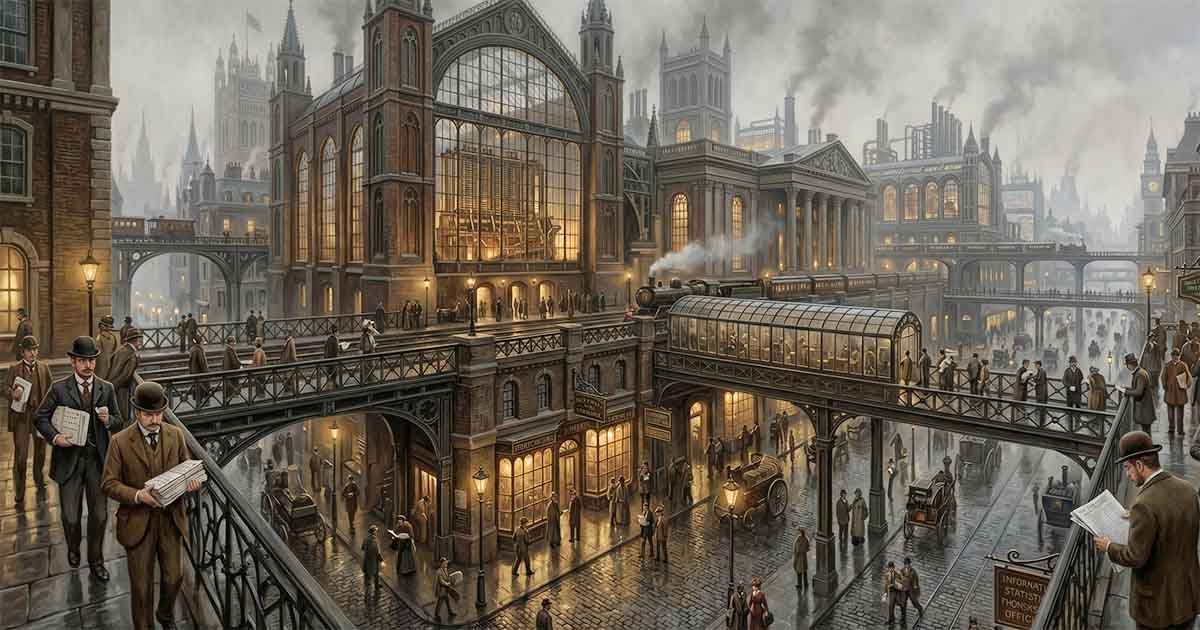
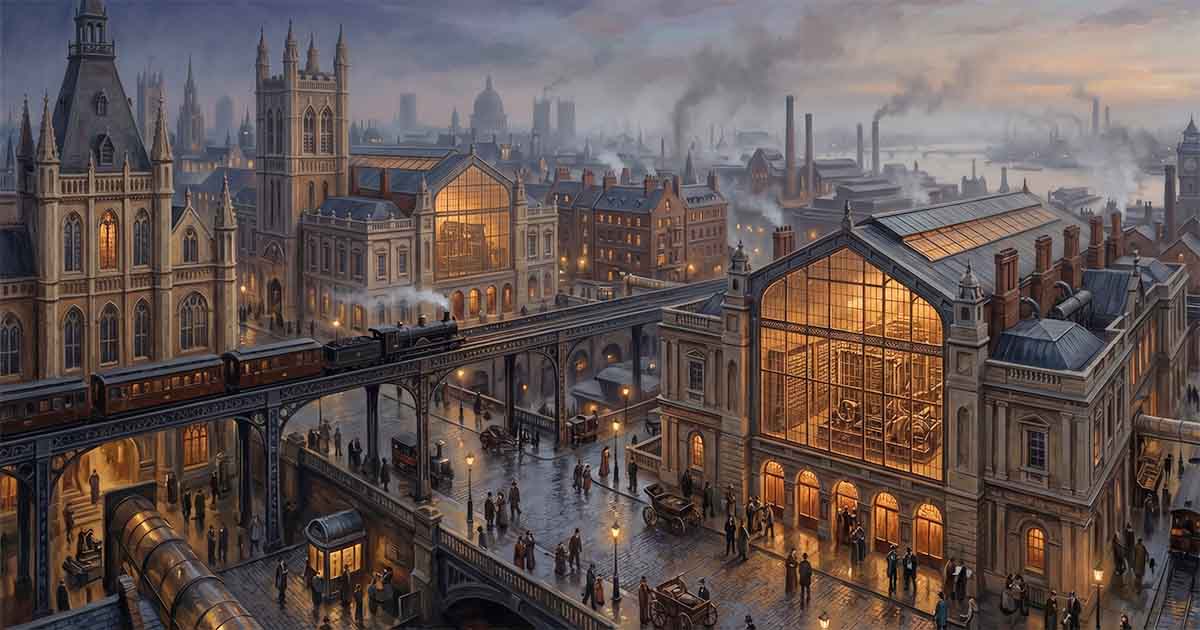
The greatest achievement of "The Difference Engine" is undoubtedly its world-building. Few science-fiction novels create an alternate society with such confidence and attention to detail.
Gibson and Sterling present a Victorian Britain transformed by computation, science, and industrial development. The details accumulate gradually. New professions emerge. Political structures evolve. Scientific advancement accelerates. Social classes adapt to changing economic realities. Every aspect of society bears the imprint of technological progress.
What makes the setting especially effective is its consistency. The authors clearly thought through the implications of their central premise. Their alternate world never feels like a collection of disconnected inventions. Instead, every development appears to grow naturally from the success of Babbage's machines.
The novel also avoids the trap of technological utopianism. Progress brings advantages, but it also creates new forms of inequality and new opportunities for political control. The authors recognize that innovation often produces unintended consequences. Their world contains both promise and danger, which makes it feel far more believable than a simple fantasy of scientific advancement.
The novel's treatment of information may particularly strike modern readers. Long before the rise of social media, cloud computing, and large-scale data collection, Gibson and Sterling imagined a society increasingly dependent upon the management of information. Their vision anticipates many contemporary debates regarding surveillance, privacy, and centralized authority.
This quality gives the novel an almost prophetic character. Readers frequently encounter ideas that seem more appropriate to the twenty-first century than the nineteenth. Yet the authors never abandon the historical setting. They remain committed to exploring these concerns through the lens of Victorian culture and institutions.
As a result, the setting becomes more than a backdrop. It becomes the novel's primary attraction. Even readers who struggle with certain aspects of the story often acknowledge the extraordinary richness of the world Gibson and Sterling created.
Story, Characters, and Narrative Design
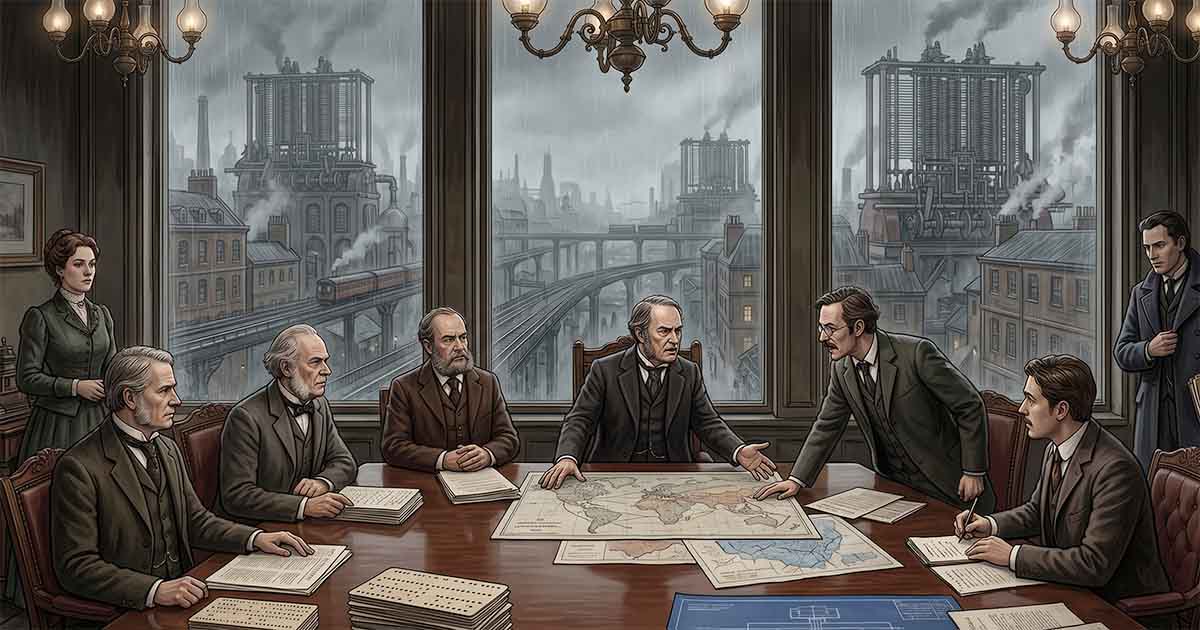
The novel's greatest weakness stems from the same source as its greatest strength. Gibson and Sterling devote so much attention to their setting that the characters occasionally seem secondary.
This criticism has followed the novel since its original publication. Readers often remember the world more vividly than the individuals who inhabit it. The principal characters function largely as guides through the alternate society. They allow readers to observe different social classes, political institutions, and technological developments.
That does not mean the characters are ineffective. They perform an important narrative function and help maintain the reader's connection to the unfolding events. Yet they rarely dominate the novel in the way that memorable protagonists dominate many classic adventures.
The plot presents similar challenges. Gibson and Sterling do not provide extensive explanations of their world. They trust readers to absorb information gradually and assemble the larger picture for themselves. This approach creates a sense of authenticity, but it also demands patience.
Some readers will appreciate the complexity. Others may find the narrative difficult to follow during the early chapters. The authors expect their audience to pay close attention, and they offer few shortcuts.
In spite of these challenges, the story possesses considerable momentum. The narrative moves through a series of political intrigues, technological mysteries, and social encounters that gradually reveal the broader nature of the alternate world. The book rewards careful reading because every development contributes to a larger understanding of the society Gibson and Sterling have imagined.
The result is a novel that appeals more strongly to readers interested in ideas than to readers seeking a straightforward adventure. That distinction is important because expectations play a significant role in how one responds to the book. Those looking for action alone may be disappointed. Those interested in speculation and intellectual exploration will find much to admire.
Ideas That Still Matter
Many science-fiction novels become dated because they focus too heavily on specific predictions. Technologies change, assumptions prove inaccurate, and once-impressive visions begin to look quaint. "The Difference Engine" largely avoids that problem because its primary concern is not technology itself but the social consequences of technology.
The novel's central theme involves information as a source of power. Gibson and Sterling suggest that the ability to collect, organize, and analyze information may become one of the defining forces of modern civilization. Looking at today's world, it is difficult to argue with that conclusion.
The authors also explore the relationship between innovation and political authority. Technological progress creates new opportunities for prosperity and scientific advancement. At the same time, it creates opportunities for surveillance, manipulation, and centralized control. The novel refuses to treat progress as either entirely beneficial or entirely dangerous. Instead, it presents technological change as a complex force that produces both gains and losses.
Another important theme involves historical contingency. The novel reminds readers that history is not inevitable. The world we inhabit emerged from countless decisions, accidents, and circumstances. A different outcome in one area might have produced dramatic consequences elsewhere.
This perspective encourages a deeper appreciation of both history and science fiction. The genre often succeeds when it helps readers see the familiar world from a new angle. Gibson and Sterling accomplish precisely that goal. Their alternate nineteenth century illuminates aspects of our own society that might otherwise go unnoticed.
Perhaps most impressive is the novel's continuing relevance. Many books from 1990 now feel tied to the assumptions of their era. "The Difference Engine" still feels contemporary because its questions remain unresolved. We continue to debate the influence of technology, the collection of personal data, and the concentration of informational power in large institutions.
For that reason alone, the novel deserves continued attention from serious science-fiction readers.
Final Assessment
"The Difference Engine" is not a perfect novel. Its narrative can be demanding, its characters sometimes struggle to compete with the setting, and its complexity may discourage readers looking for a lighter experience.
Yet these shortcomings are outweighed by the book's achievements. Gibson and Sterling created one of the most ambitious alternate histories in modern science fiction. More important, they created a novel that examines technology as a social force rather than merely a collection of machines.
The influence of "The Difference Engine" can be seen throughout later science fiction. It helped popularize the aesthetic many readers now associate with steampunk, but its deeper legacy lies in its exploration of information and power. The novel demonstrated that alternate history could address contemporary concerns without sacrificing historical authenticity or speculative imagination.
Not every reader will love the book. Some will find it dense, challenging, and occasionally frustrating. Others will discover one of the most thought-provoking works produced by the science-fiction field during the final years of the twentieth century.
More than three decades after its publication, "The Difference Engine" remains essential reading for anyone interested in alternate history, cyberpunk, or the broader relationship between technology and society. Its vision of a Victorian Information Age remains imaginative, intelligent, and surprisingly relevant. Few novels have examined the consequences of technological change with equal ambition, and fewer still have done so with such lasting success.