
The Future “Star Trek” Promised
Three days before “Star Trek” aired, fans saw the future first. This issue looks at that early preview, the hopeful world the series imagined, and three lesser-known facts from Trek history.

This Week in Classic Science Fiction
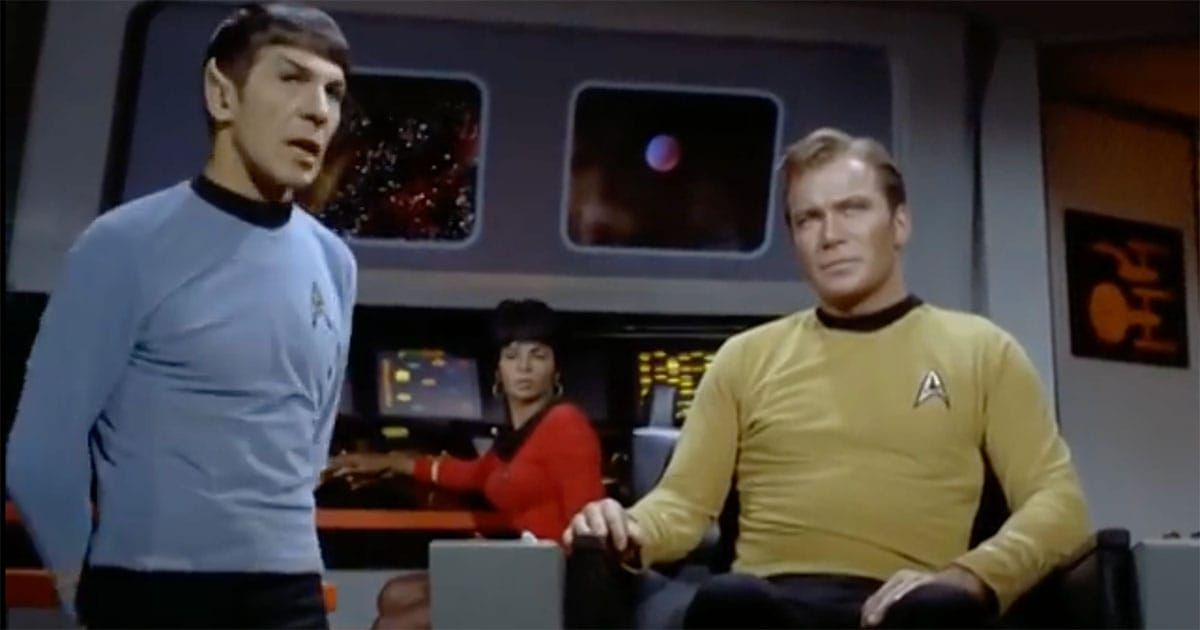
On September 5, 1966, three days before "Star Trek" appeared on American television, Gene Roddenberry walked into a science fiction convention in Cleveland carrying a glimpse of the future. The crowd at Tricon had gathered to see what NBC was preparing to put on the air. Most Americans had never heard of Captain Kirk, Mr. Spock, or the starship Enterprise.
Roddenberry showed them "Where No Man Has Gone Before," the second pilot that had convinced NBC to take a chance on "Star Trek." The first pilot, "The Cage," had failed to sell the network on the series, but NBC had done something unusual. It gave Roddenberry another chance.
The Cleveland fans liked what they saw. When they wanted more, Roddenberry produced a black-and-white print of "The Cage," giving the audience a look at the earlier Enterprise commanded by Captain Christopher Pike. For one evening, those fans knew more about "Star Trek" than almost anyone outside NBC and Desilu.
On September 8, "The Man Trap" introduced "Star Trek" to the rest of America. The fans in Cleveland had beaten the nation by three days, getting an early look at a television series that would help define science fiction for generations.
Sponsored by: Among the Ruins of Light T-shirt
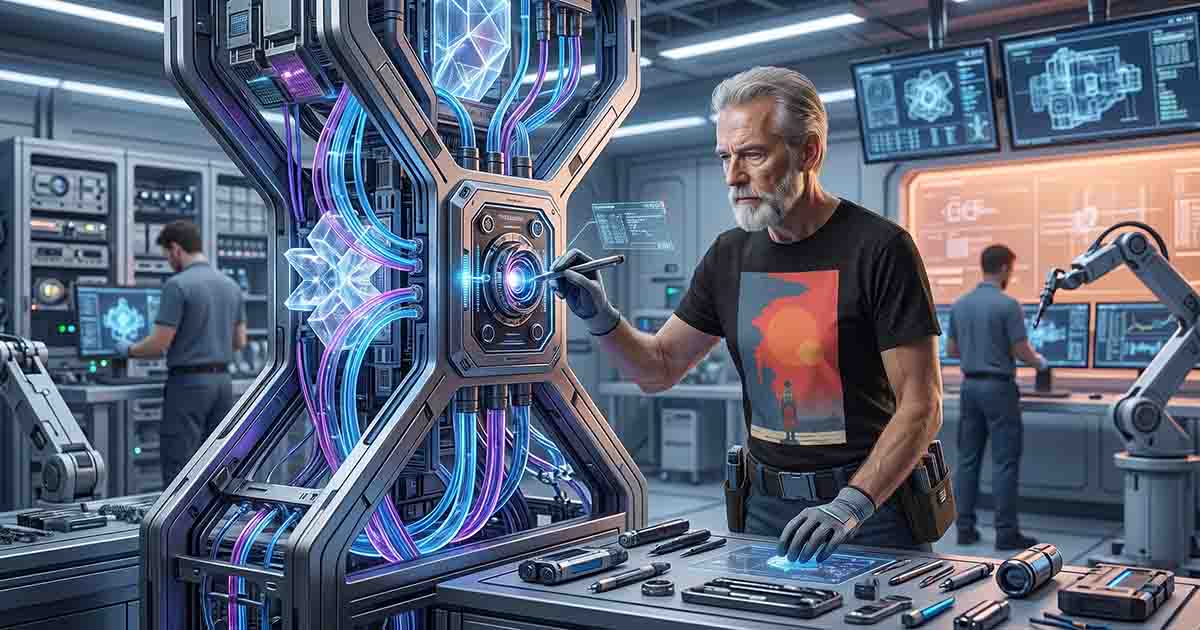
The future does not build itself. The Among the Ruins of Light T-shirt brings the lonely worlds of classic science fiction to life, while this image puts it where it belongs, among engineers, machines, and men who still know how to make things work. Made to be soft, lightweight, and comfortable, it is science fiction you can wear without looking like you are headed to a costume convention.
Whatever Happened to the Future "Star Trek" Promised?
When "Star Trek" arrived in 1966, it offered viewers more than phasers, transporters, and faster-than-light travel. It presented a future in which mankind had continued moving forward, building greater machines, traveling greater distances, and finding new frontiers worth exploring.
That future seemed less fantastic in 1966 than it does today. America was racing toward the Moon, aircraft were getting faster, rockets were getting larger, and nuclear power promised abundant energy.
Tomorrow Was Going to Be Bigger
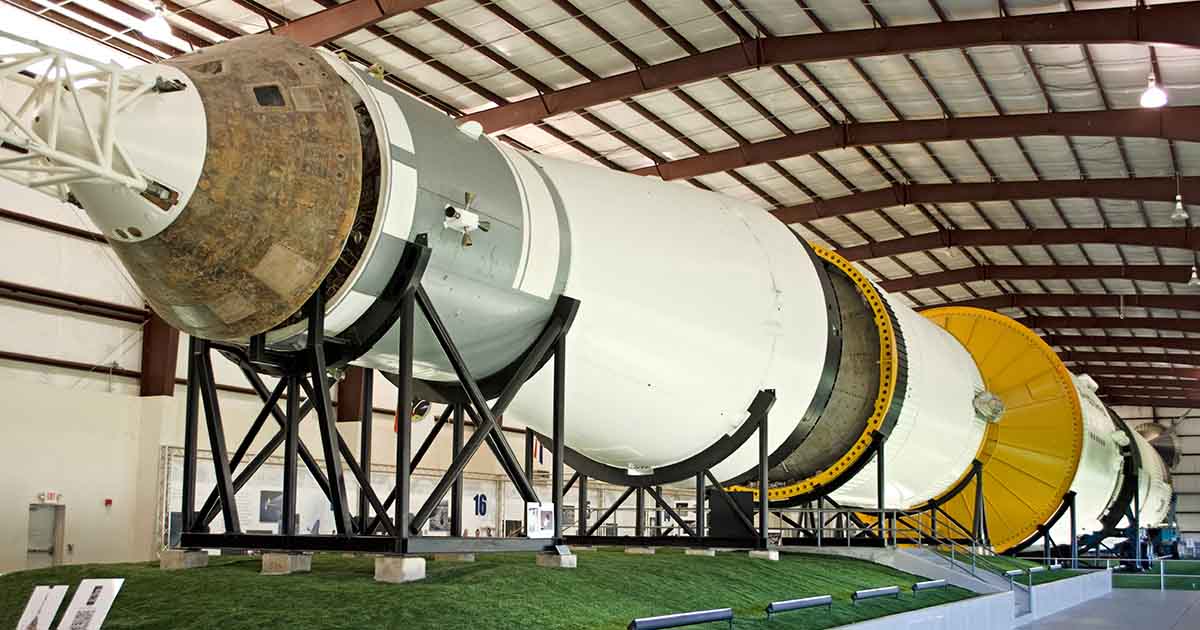
The first astronauts had gone into space only a few years before "Star Trek" reached television. NASA was already developing the Saturn V, a machine powerful enough to send men to the Moon, and Apollo 11 would accomplish that goal less than three years after Captain Kirk first appeared on American television.
Progress seemed to have momentum. Supersonic passenger travel was coming, nuclear-powered submarines could remain beneath the ocean for months, and engineers were accomplishing things that would have sounded impossible a generation earlier.
"Star Trek" carried that momentum into the future. If men could cross the Atlantic in hours and reach the Moon in days, perhaps their descendants really would cross interstellar space.
The Enterprise was fantastic, but the assumption behind it was familiar. Tomorrow would contain achievements greater than those of today.
The Machine Served the Man
The Enterprise was filled with technology, but the machines were rarely the real stars. They gave capable people greater abilities and allowed them to do more difficult things.
Spock could ask the computer for information, but he still had to understand it. McCoy possessed extraordinary medical equipment, but his judgment remained more important than his instruments.
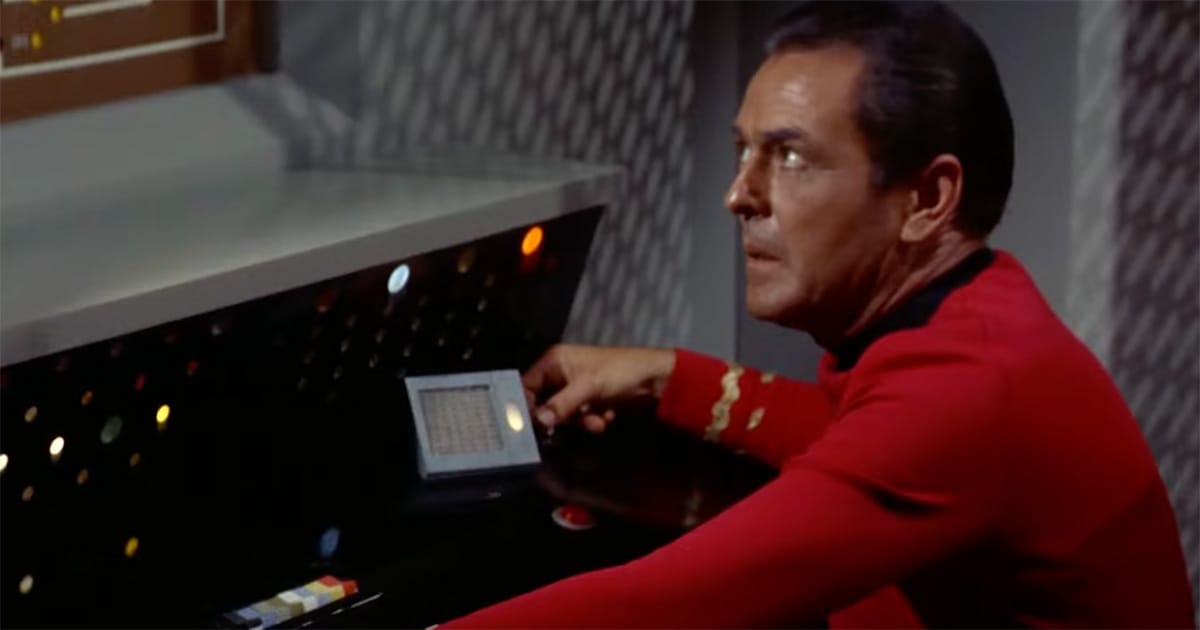
Scotty had powerful engines under his command, but somebody still needed to know how to keep them running when everything went wrong. Kirk faced the same problem from the command chair, where the computer could calculate possibilities but could not relieve him of responsibility for making a decision.
That distinction matters because "Star Trek" did not imagine technological progress making people unnecessary. It imagined technology allowing good doctors, engineers, scientists, and leaders to accomplish more.
Out There Was Somewhere Worth Going
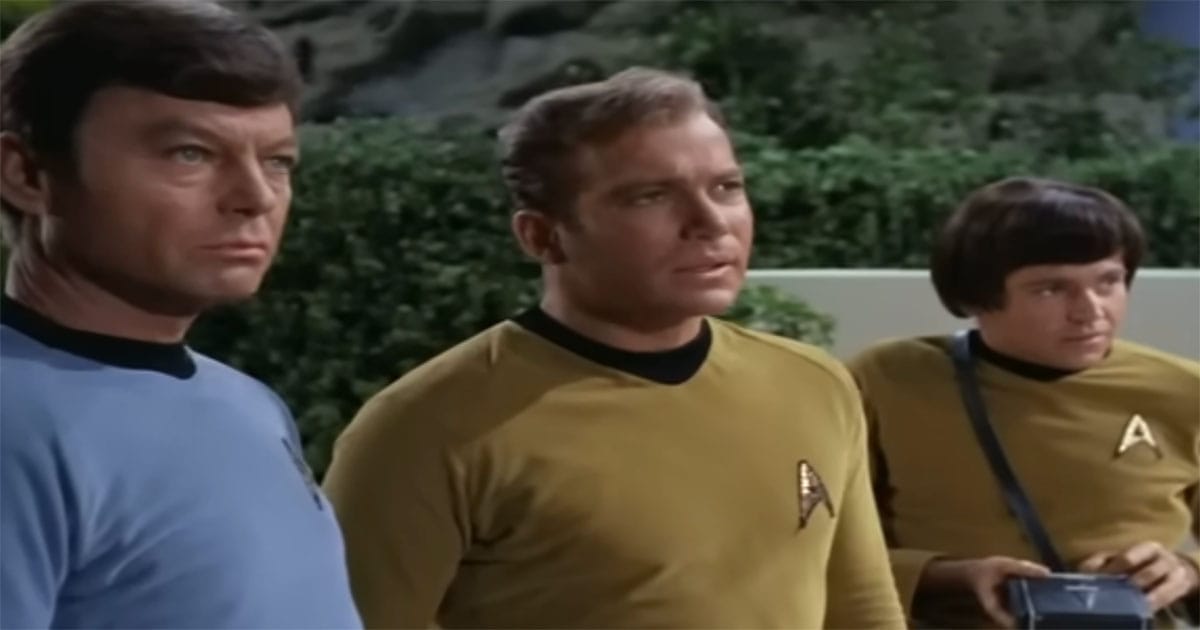
The famous opening narration describes space as the final frontier, and "Star Trek" meant it. The Enterprise did not spend five years safely orbiting Earth because its purpose was to go somewhere nobody had gone before.
That required accepting danger. Strange planets contained hostile creatures, deadly diseases, powerful machines, and civilizations that did not always welcome visitors.
Exploration repeatedly placed the crew in situations that could have been avoided by staying home. Yet the series rarely suggested that staying home was the better choice.
The unknown contained danger because it was unknown, but it also contained knowledge. That gave "Star Trek" an unmistakable frontier spirit, where courage, intelligence, and hard work were expected to overcome problems.
We Got the Communicator
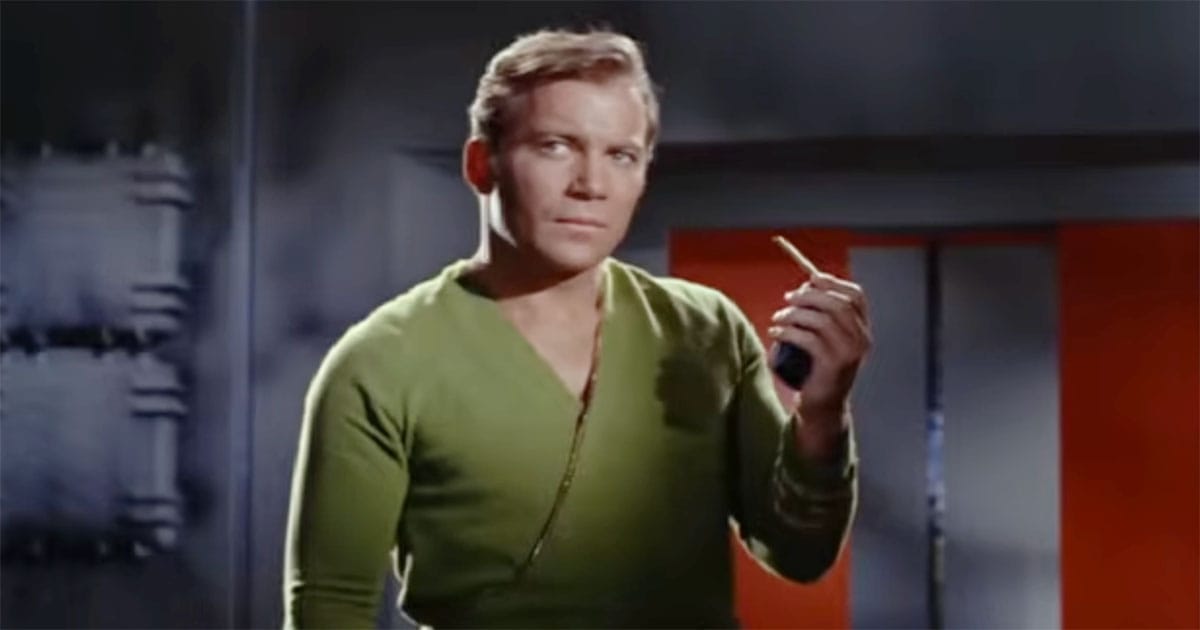
The curious thing is that some parts of the future arrived faster than "Star Trek" suggested. A modern cellphone makes Kirk's communicator look limited, while ordinary people carry computers that provide instant access to enormous amounts of information.
Satellites connect the planet, machines navigate our cars, and robotic spacecraft have photographed worlds that were little more than colored dots when "Star Trek" premiered. In many ways, communications and computing advanced beyond what television viewers in 1966 could reasonably imagine.
Human beings, however, have remained surprisingly close to Earth. Americans reached the Moon in 1969 and returned five more times through 1972, but no human being has traveled farther since.
The Moon has no permanent base, Mars has no human explorers, and passenger spacecraft do not carry families between worlds. We became extraordinarily good at moving information while remaining physically close to home.
We Still Want the Enterprise
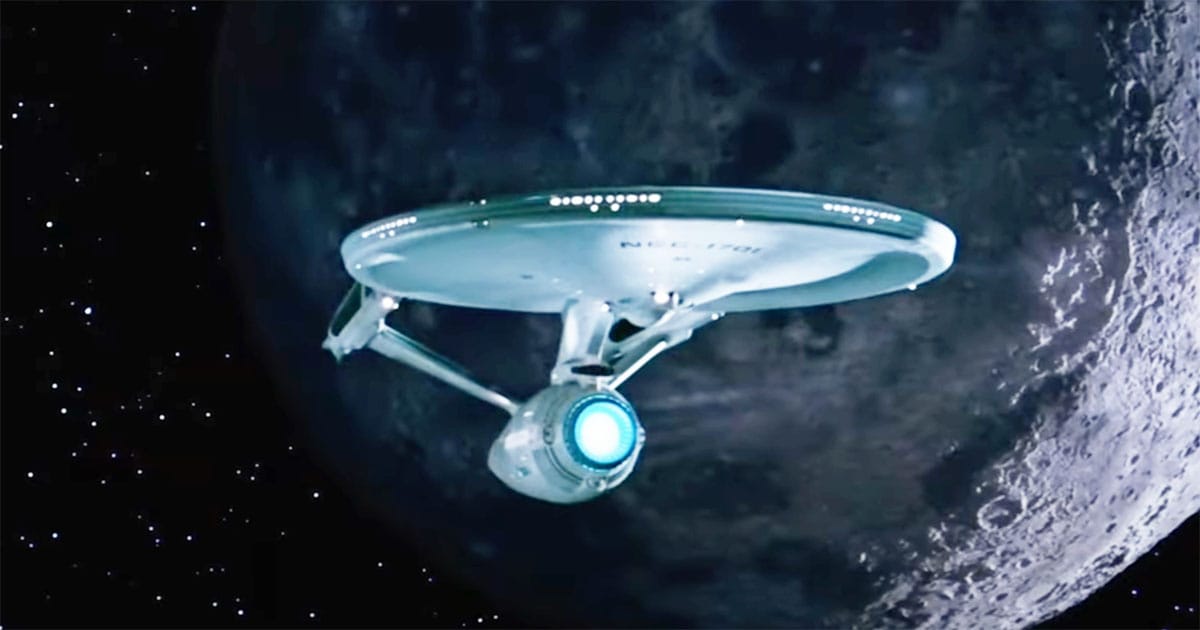
Perhaps that explains why the Enterprise still has such power over the imagination. The ship represents more than a collection of imaginary technologies because it also represents confidence in human ability.
The people aboard the Enterprise assume problems can be understood and solved. Kirk makes decisions, Spock reasons through evidence, McCoy treats the injured, and Scotty finds ways to keep damaged machinery working.
Technology helps them without relieving them of courage, judgment, loyalty, or responsibility. The future has not eliminated human character because human character is still necessary.
That may be the part of the "Star Trek" future that classic science fiction fans miss most. The old stories often assumed that mankind would keep building, discovering, traveling, and attempting difficult things.
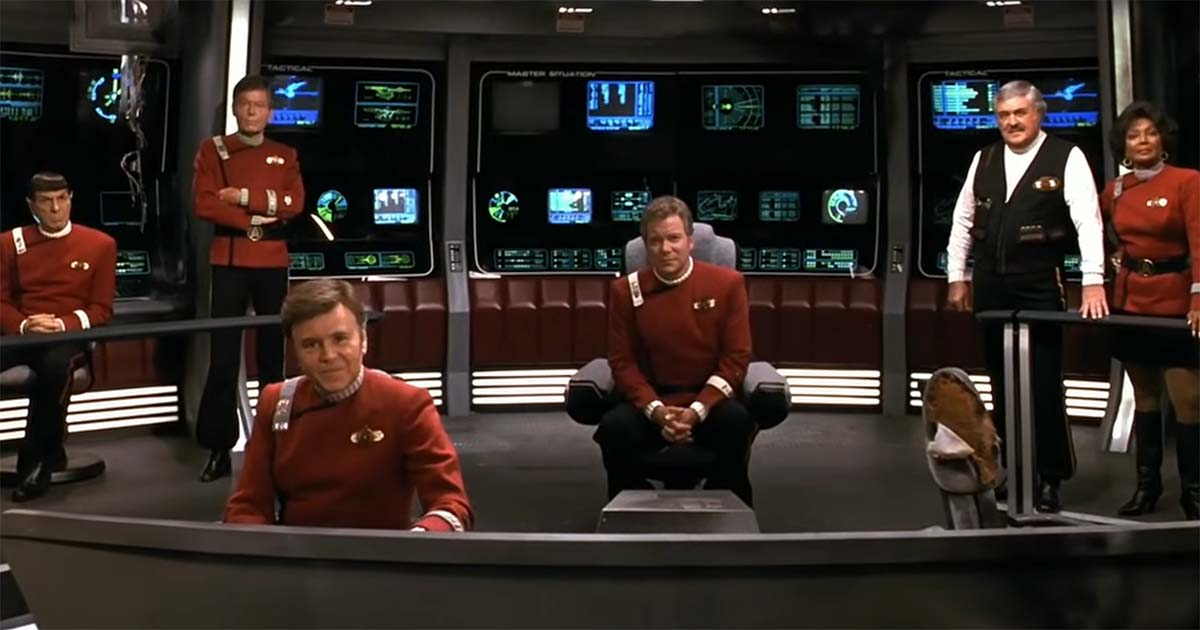
Nearly 60 years after "Star Trek" first reached television, the Enterprise remains far beyond our abilities, while many of its smaller technologies seem far less miraculous. The greatest promise of "Star Trek" was never that mankind would invent a better communicator, but that mankind would still have somewhere worth going.
"Star Trek" Trivia
- The original 11-foot Enterprise model was donated to the Smithsonian in 1974, with help from Apollo 11 astronaut Michael Collins.
- NBC worried that Spock's pointed ears looked too satanic for television and even softened them in some early publicity photos.
- Most viewers did not see "The Cage" in complete form until decades after "Star Trek" premiered because much of it had been recycled into "The Menagerie."