
The Pain Behind "RoboCop" and the Suit That Made a Sci-Fi Legend
Peter Weller spent hours getting into the "RoboCop" suit and struggled to move, sit, and perform. The costume's hardships helped create one of science fiction's most iconic heroes.

Building a Cyborg
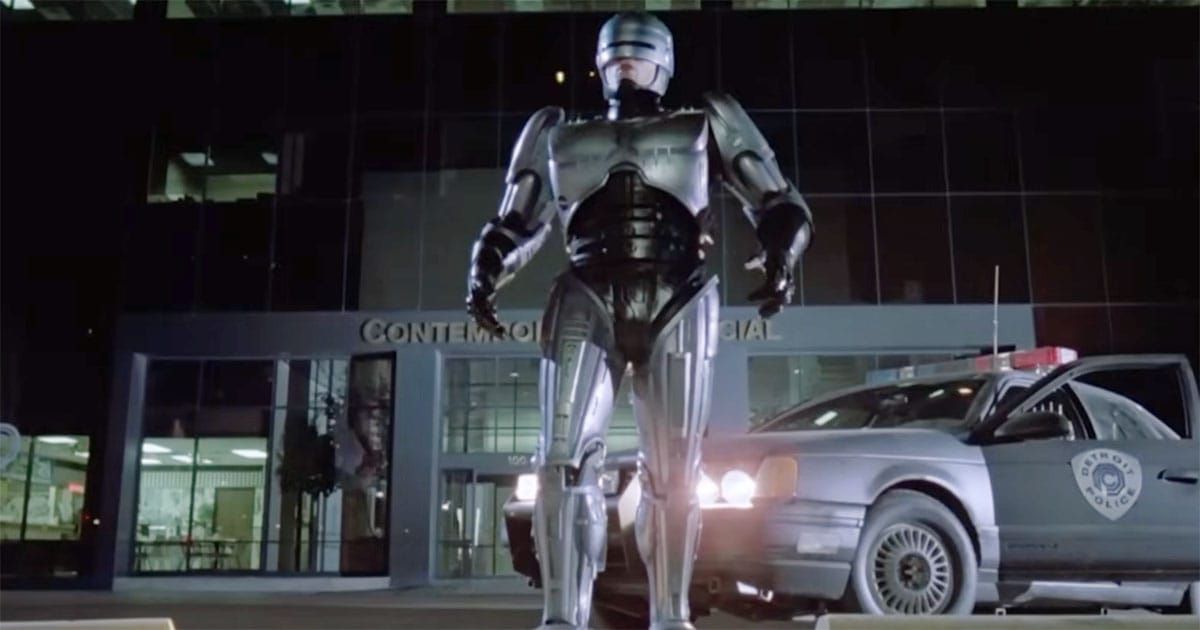
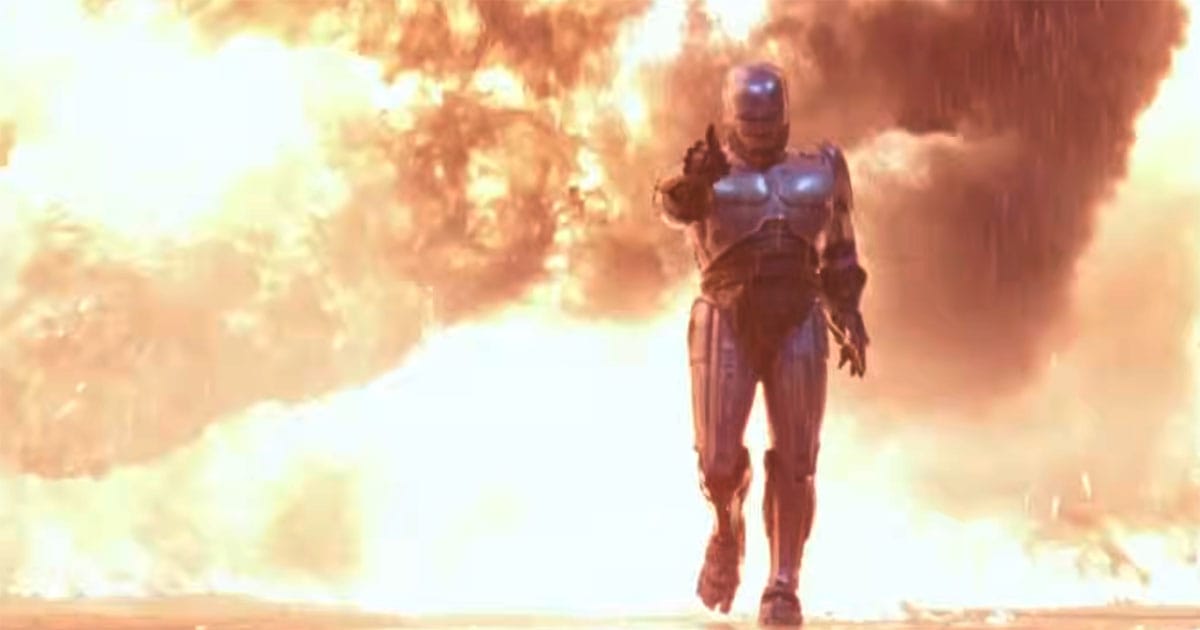
Few science fiction heroes look as imposing as RoboCop. When audiences first encountered the cybernetic lawman in "RoboCop" (1987), they saw a towering figure of steel and certainty. The character appeared to move with mechanical precision, as if he had stepped directly out of a futuristic assembly line.
That illusion helped make the film a classic. Yet behind the polished armor stood an actor enduring one of the most physically demanding costumes in science fiction history. Peter Weller's performance required far more than memorizing lines and hitting marks. Simply wearing the suit became a daily challenge.
The irony is difficult to miss. RoboCop was designed to appear stronger than any ordinary man, but the actor inside the armor often found himself limited by the very costume that created the character.
Months of Preparation
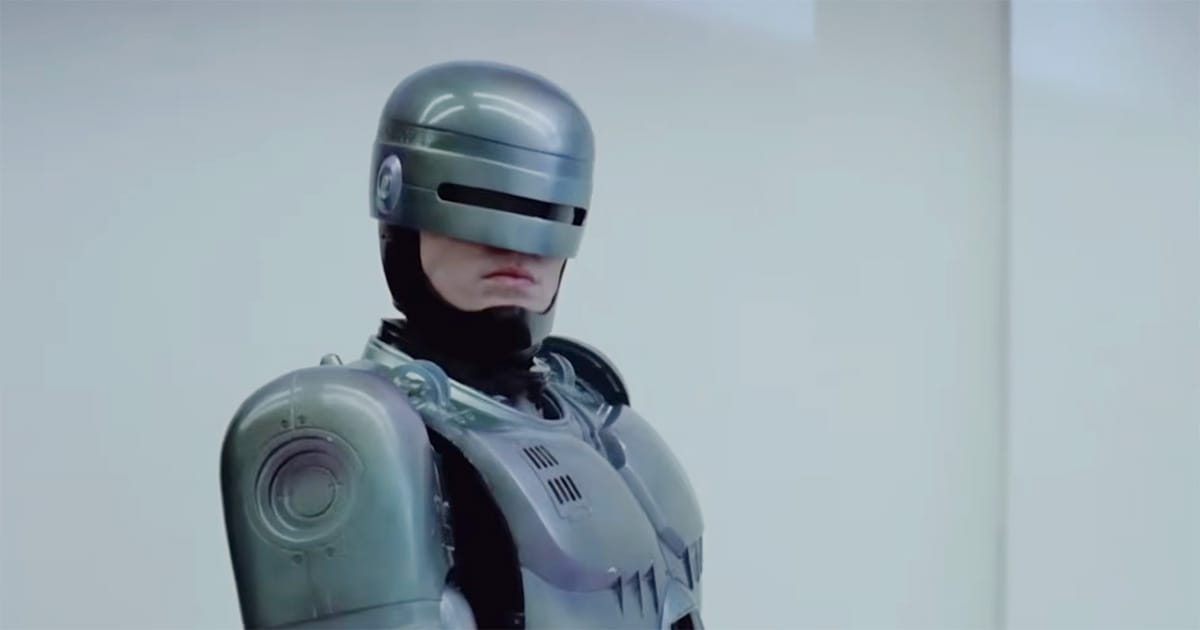
Before filming began, Weller approached the role with unusual seriousness. He worked extensively on movement and body language, studying how RoboCop should walk, turn, and react. His goal was to create a unique physical presence that would separate the character from conventional movie heroes.
Then the finished suit arrived.
The bulky armor changed nearly everything Weller had planned. Movements that seemed natural during rehearsal became awkward once the costume restricted his range of motion. Actions that required only a moment during practice suddenly demanded careful adjustment.
The suit forced Weller to rethink his performance. Instead of fighting those limitations, he gradually incorporated them into the character. What began as a problem eventually became one of the film's greatest strengths.
Life Inside the Armor
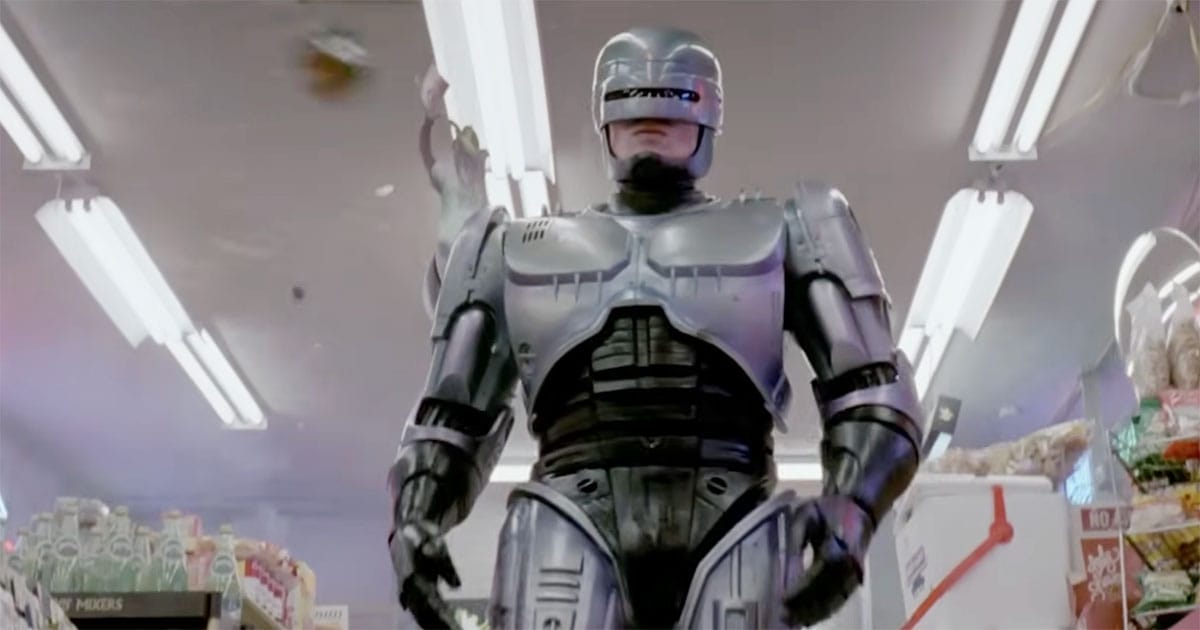
The RoboCop costume was an impressive achievement of special effects design. It created the appearance of a seamless machine-human hybrid while allowing an actor to function inside it. Unfortunately, functioning and functioning comfortably were two very different things.
Preparing Weller for filming reportedly required hours of work each day. Crew members assembled the costume piece by piece before cameras rolled. Once filming started, the actor had little choice but to endure the restrictions imposed by the armor.
Simple activities became surprisingly difficult. Sitting was often impractical, and moving quickly was nearly impossible. Long shooting days became exercises in patience as much as performance.
The experience highlighted a reality often hidden from audiences. Some of the most memorable science fiction costumes in cinema history looked spectacular on screen precisely because performers sacrificed comfort behind the scenes.
When Limitations Become Strengths
Many productions would have viewed the suit's restrictions as a serious obstacle. Director Paul Verhoeven recognized that those limitations could actually help define the character.
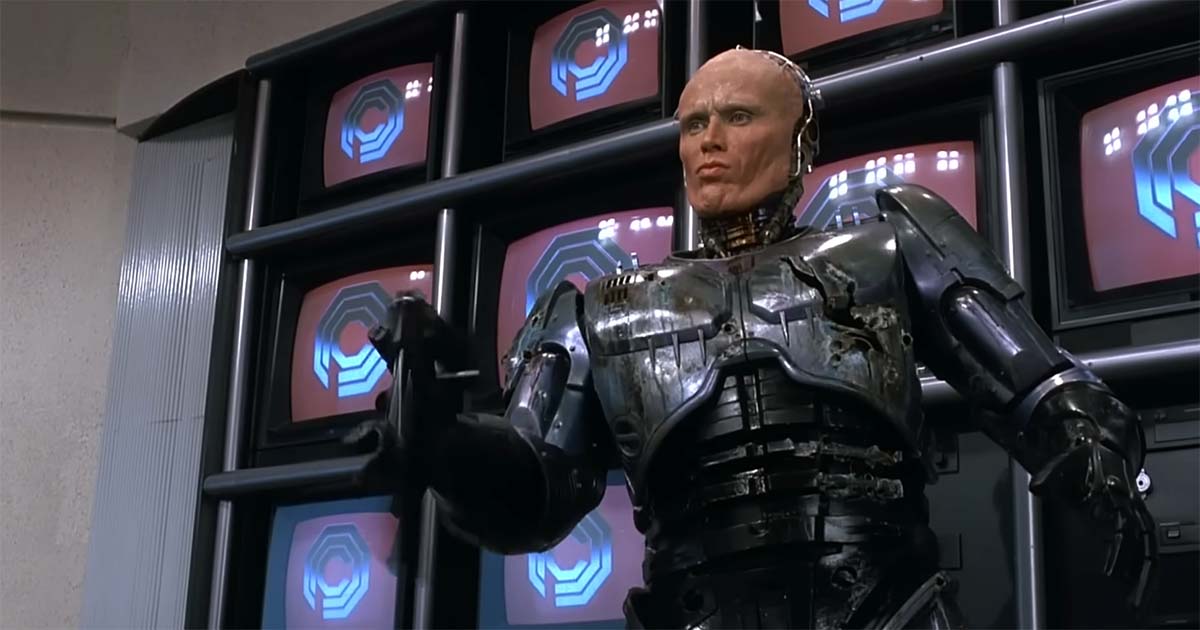
RoboCop exists between two worlds. He possesses human memories and emotions, yet much of his body has been replaced by machinery. His movements should feel different from those of ordinary people because he is no longer entirely human.
The suit naturally created that effect. Every deliberate turn, measured step, and rigid gesture reinforced the idea that Alex Murphy had become something new. Audiences did not simply hear that RoboCop was part machine. They could see it in every movement.
In this way, the costume became an unexpected storytelling tool. The physical restrictions helped communicate themes that might otherwise have required additional dialogue or exposition.
An Enduring Legacy
Nearly four decades after its release, "RoboCop" remains one of science fiction's most recognizable films. The character's appearance still looks distinctive in an era dominated by digital effects and computer-generated imagery.
Part of that success comes from the fact that the suit was real. The armor occupied physical space, reflected light naturally, and interacted with actors in a tangible way. Viewers instinctively sensed that authenticity, even if they never understood the discomfort required to create it.
The RoboCop suit represents one of cinema's enduring paradoxes. The more difficult it was for Peter Weller to move, the more convincing the character became. Behind one of science fiction's greatest visual achievements stood an actor who spent much of the production trapped inside the machine he was portraying.
That struggle helped transform a clever costume into an unforgettable icon.