
The Sardaukar And The Fragile Strength Of Empire
The Sardaukar are more than elite soldiers in Frank Herbert’s "Dune." Explore their origins, Imperial role, screen adaptations, and what their rise and decline reveal about power.

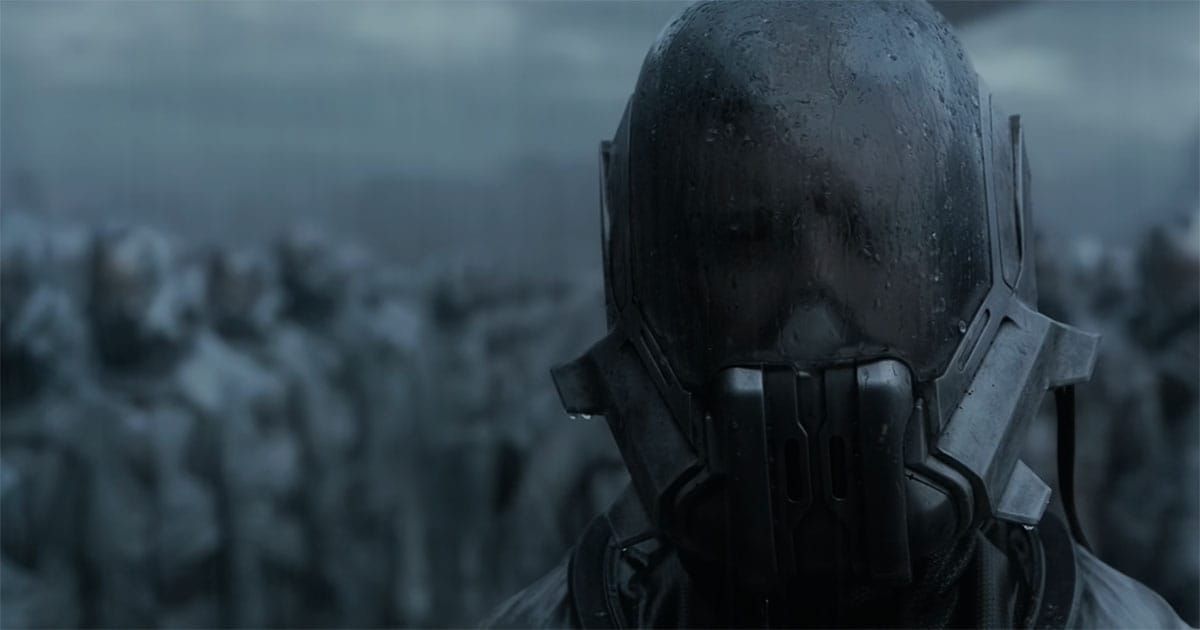
Few science fiction military units are memorable as Frank Herbert's Sardaukar.
Readers often remember them first as elite soldiers, feared throughout the Imperium and spoken of with the kind of respect usually reserved for natural disasters. That impression is intentional, but it is only the surface of Herbert's idea.
The Sardaukar are not simply an army with better training. They are the hidden support structure beneath Imperial authority. The Padishah Emperor rules because competing Houses believe resistance carries unbearable costs. That belief matters as much as military reality. The Sardaukar became a political force long before they became a battlefield force.
This is one reason "Dune" continues to reward rereading. Herbert treats military power as something produced by culture, environment, and institutions rather than equipment alone. The Sardaukar allow him to explore how civilizations create strength, how they preserve it, and how they eventually lose it.
Origins And Context
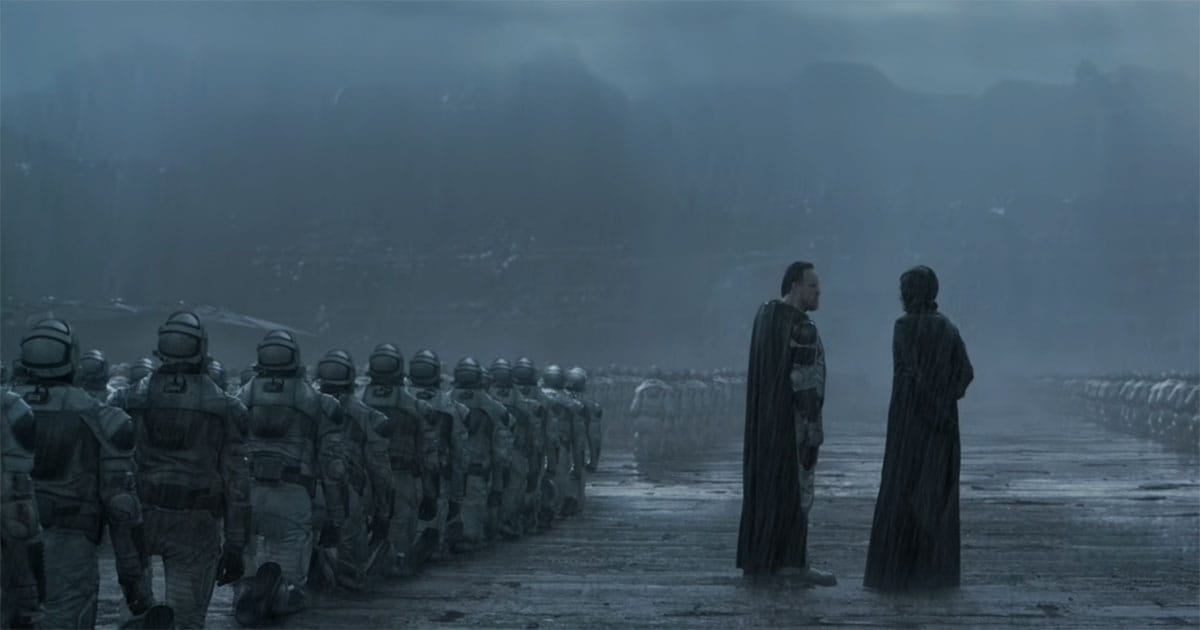
The world of "Dune" operates through balance rather than simple dictatorship. The Emperor governs, but his position exists alongside the Great Houses of the Landsraad and the immense economic influence of CHOAM. No single institution completely controls the Imperium. That arrangement creates both stability and tension.
Under those conditions, military force becomes essential. If powerful Houses possess wealth and armies of their own, the Emperor requires an advantage large enough to discourage rebellion before rebellion begins. House Corrino's answer is the Sardaukar.
Canon presents the Sardaukar as products of Salusa Secundus, the prison world associated with Imperial control and military formation. Life there is severe, unforgiving, and dangerous. Those conditions shape survivors into disciplined and aggressive soldiers whose loyalty becomes inseparable from identity. Herbert never suggests that they are biologically superior or technologically transformed. Their strength comes from adaptation to hardship.
That distinction matters because Herbert returns to it throughout the novel. Human beings become what their environments demand. Political systems eventually reflect those same pressures. The Sardaukar therefore represent more than military excellence. They represent the belief that controlled hardship can manufacture order.
Forged By Harsh Worlds
Many science fiction stories explain power through machinery, scientific breakthroughs, or superior weapons. Herbert takes a different approach and roots military superiority in social conditions.
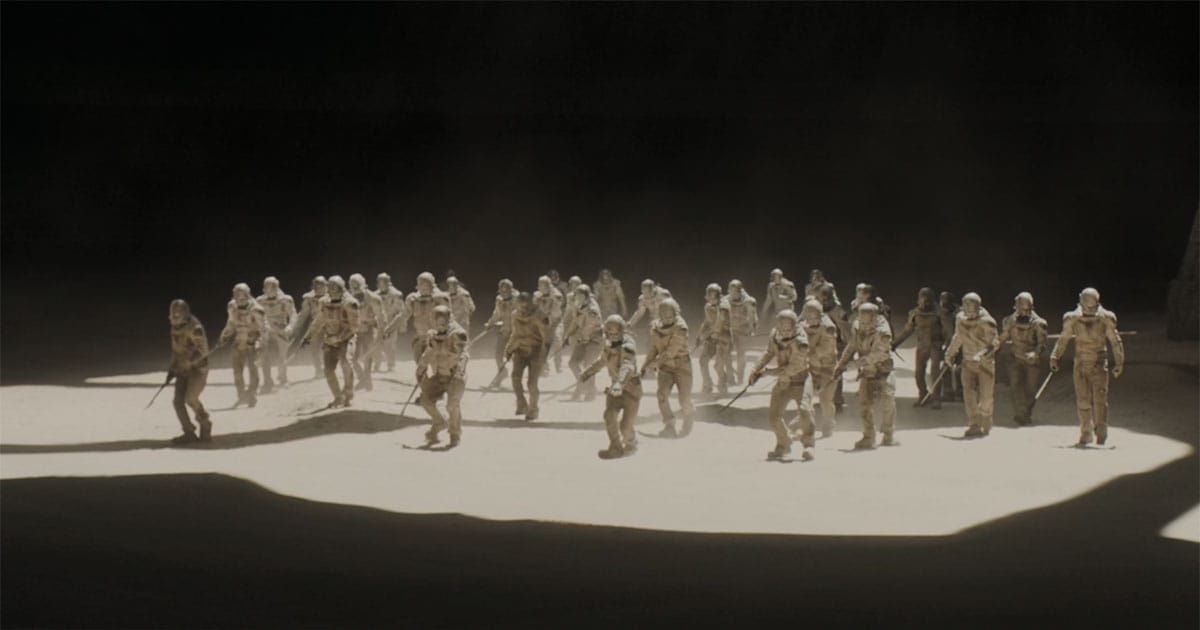
Salusa Secundus functions as a harsh proving ground rather than a conventional training center. Scarcity, danger, and discipline create people who learn to endure pain, obey authority, and treat conflict as normal. The Sardaukar emerge from that process with enormous confidence and an intimidating reputation.
Readers returning to "Dune" often notice that Herbert quietly establishes a mirror image elsewhere in the story. Arrakis performs for the Fremen what Salusa Secundus performs for the Sardaukar. Both environments produce resilient people. Both reward discipline. Both create cultures built around survival.
The difference lies in what those cultures become. The Sardaukar serve an established empire and inherit its habits. The Fremen remain shaped by necessity and adaptation. Herbert uses that contrast to suggest that difficult conditions can create strength, but institutions eventually become less flexible than the environments that produced them.
Imperial Power Behind The Throne
One of Herbert's strongest insights is that durable power rarely appears in direct form. Empires survive not because they fight constantly, but because most people assume resistance cannot succeed.
The Sardaukar embody that principle. Their existence discourages challenges before battles ever begin. Houses calculate risk differently because the Emperor possesses a force believed to be unmatched. Even leaders who never encounter Sardaukar directly make decisions under their shadow.
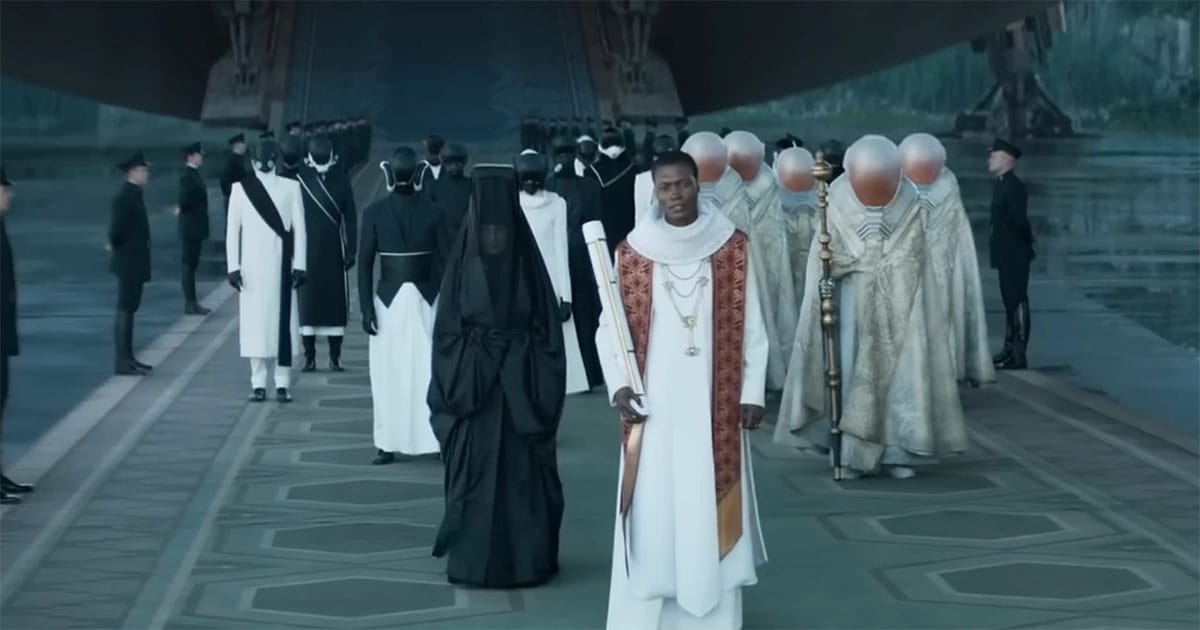
This helps explain why Imperial involvement often remains concealed. If military force becomes too visible, political legitimacy begins to weaken. The Emperor prefers authority that appears natural and permanent rather than openly enforced.
Herbert also suggests that this arrangement contains a weakness. Institutions built on reputation eventually depend on maintaining the image of superiority. Once that image cracks, old assumptions become vulnerable. The Sardaukar therefore represent both the height of Imperial confidence and the beginning of Imperial fragility.
Role In The Story
Light spoilers follow for "Dune."
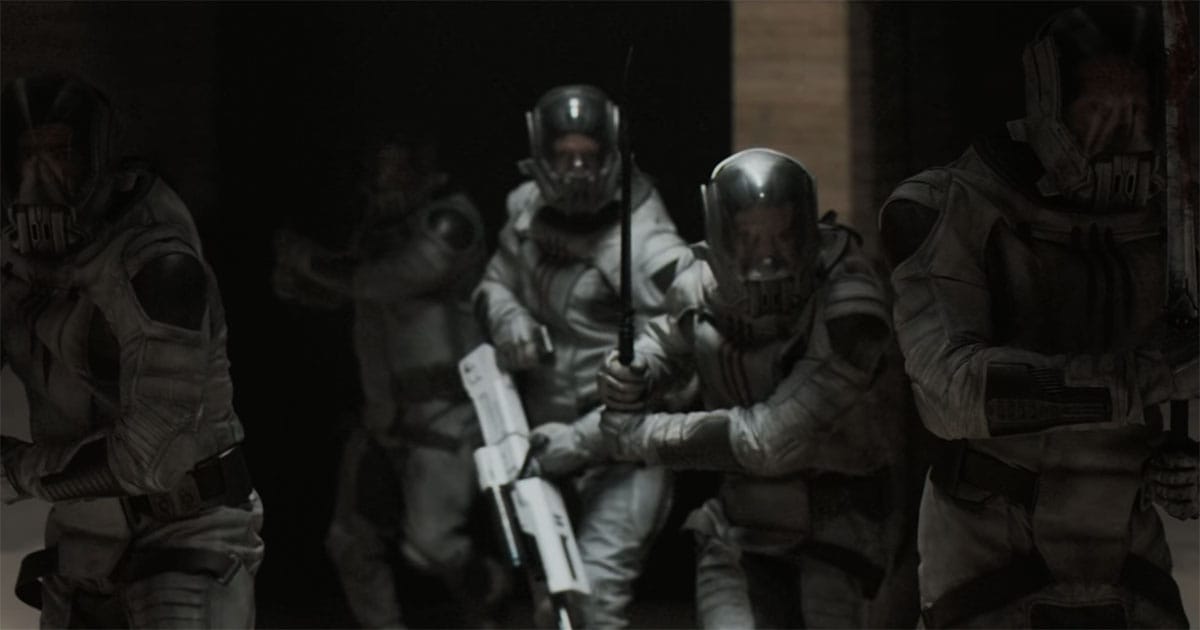
When House Atreides arrives on Arrakis, the Sardaukar initially remain more rumor than presence. Their influence exists in conversations, expectations, and calculations of power. Herbert delays their direct impact so readers can understand what they represent before showing what they do.
During the destruction of Atreides power, Sardaukar forces participate under concealed circumstances that preserve Imperial deniability. Their conduct immediately distinguishes them from ordinary military units. They are disciplined, efficient, and confident in ways that reinforce their legendary status.
Yet Herbert is constructing a larger argument. The Sardaukar are not introduced to remain unbeatable. They exist to establish a standard against which another force can be measured. When the Fremen begin defeating them, the significance reaches beyond combat.
The moment reveals that the Imperium has misunderstood its own strength. It assumed military dominance could be preserved indefinitely. Herbert instead argues that history constantly creates new pressures, new cultures, and new competitors. The Sardaukar remain formidable throughout the novel, but they cease to be unique.
Across Screen Adaptations
Every major adaptation emphasizes a different side of the Sardaukar and, in doing so, reveals changing ideas about science fiction itself.
David Lynch's "Dune" from 1984 presents them primarily as feared Imperial troops inside a compressed narrative. Their military role remains visible, but their larger political meaning receives less attention.
The 2000 miniseries devotes more time to court politics and allows viewers to understand how Imperial institutions depend upon controlled force. That broader structure moves closer to Herbert's interests.
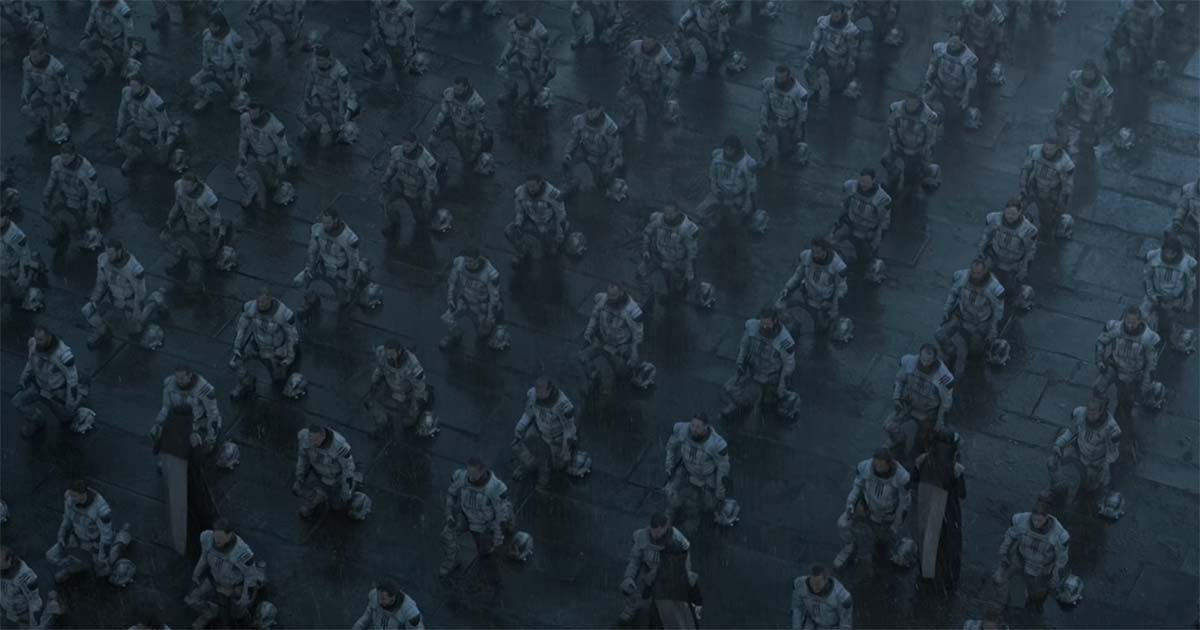
Denis Villeneuve's films focus heavily on atmosphere and ritual. His Sardaukar appear severe, ceremonial, and almost monastic. The visual language emphasizes obedience, sacrifice, and the emotional effect of military culture rather than organizational detail.
Taken together, the adaptations demonstrate that the Sardaukar remain flexible as symbols while staying recognizable as instruments of power.
Why Fans Still Return
The Sardaukar continue to interest readers because they raise questions beyond military fiction. Herbert uses them to examine authority, institutional decline, and the danger of confusing reputation with permanence.
Classic science fiction often endures because it treats human systems as temporary rather than inevitable. The Sardaukar begin as proof of Imperial stability and gradually become evidence that no civilization keeps its advantage forever.
That idea remains one of the most enduring parts of "Dune."