
The Secret Language of Star Wars
Why does "The Mandalorian and Grogu" feel unmistakably like Star Wars? A closer look at the hidden design traditions, worn worlds, and visual memory behind the galaxy.

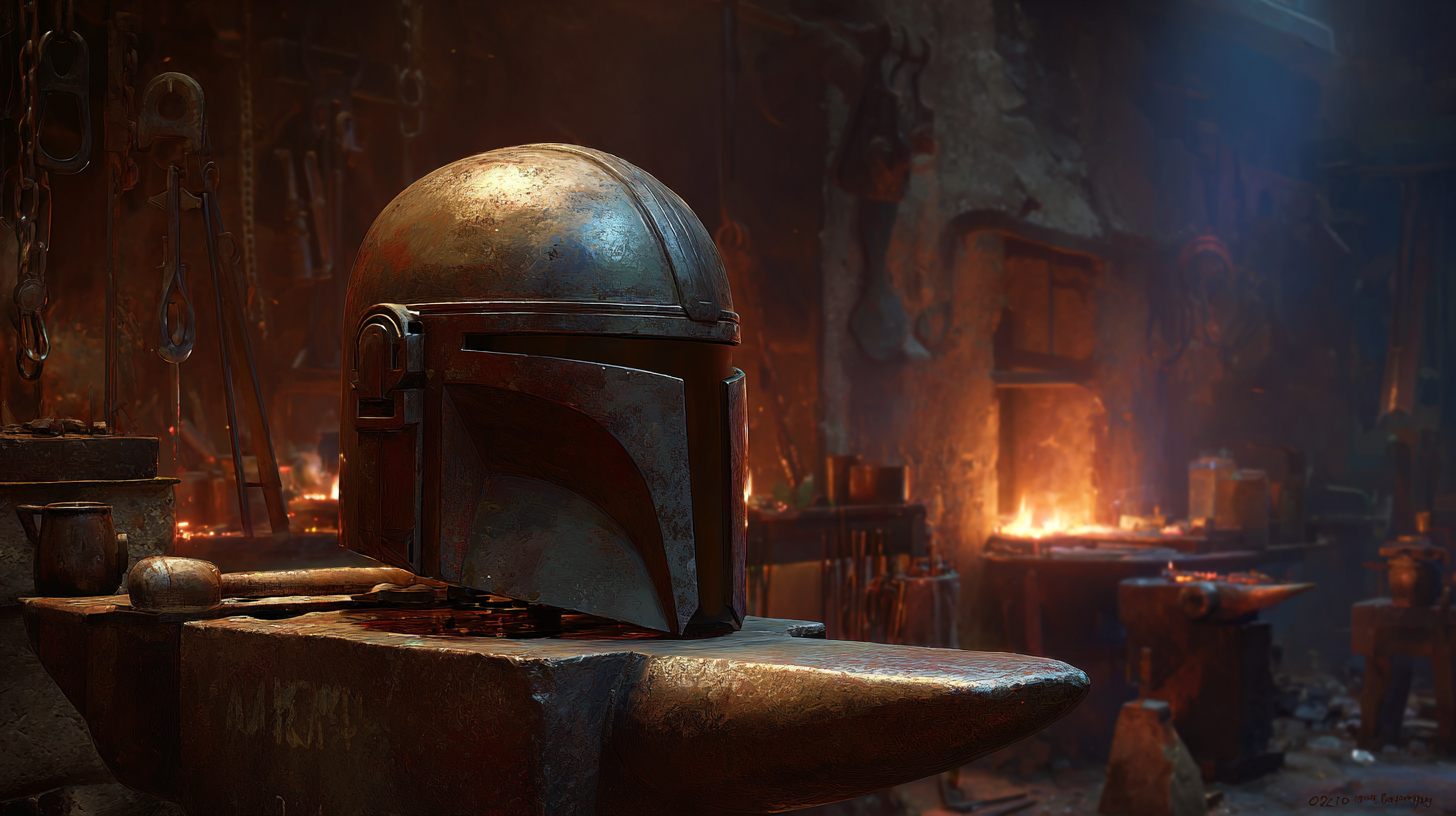
The Galaxy That Refuses to Forget
Science fiction usually announces itself through change. New technologies replace old ones, new civilizations rise, and each chapter promises a future more advanced than the last. Many franchises eventually become collections of upgrades and expansions that slowly drift away from their original identity.
Star Wars has always worked differently. From its earliest appearance, the series imagined a future that carried visible evidence of the past. Ships looked repaired instead of replaced. Costumes looked inherited instead of redesigned. Entire worlds appeared shaped by previous generations rather than assembled for the camera.
That instinct remains visible in "The Mandalorian and Grogu". Viewers often describe the film as feeling unmistakably like Star Wars, even when they struggle to explain why. The answer may not be found in the story itself as much as in hundreds of decisions hidden around the edges of the frame. The secret of Star Wars may be simpler than fans imagine. Unlike many science fiction worlds, this galaxy remembers.
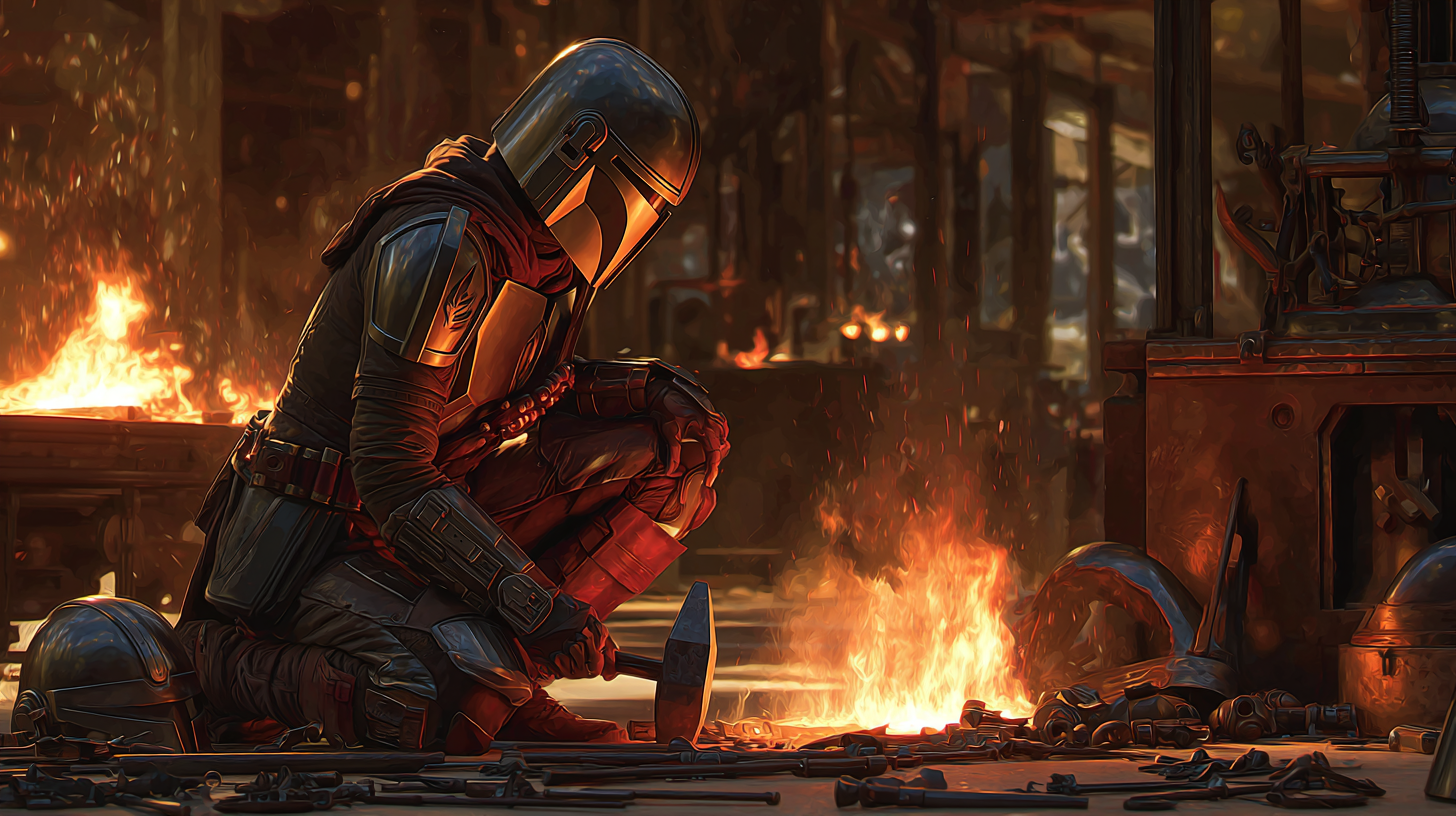
Heroes Wear History
Modern adventure stories often treat costumes as milestones. As heroes become stronger or more important, their appearance becomes cleaner, more detailed, and more expensive looking. Audiences are conditioned to expect visual upgrades as signs of progress.
Din Djarin belongs to an entirely different tradition. His armor continues to carry scratches, repairs, uneven coloration, and visible signs of use. Instead of functioning as decoration, the armor behaves like equipment.
That distinction changes how audiences read the character. A pristine suit suggests achievement and status. A maintained suit suggests responsibility and routine.
Star Wars has trusted this idea for decades. Boba Fett appeared in "The Empire Strikes Back" looking old before viewers knew anything about his life. His costume suggested experience before dialogue provided details.
That visual philosophy quietly transformed science fiction. The future would not look new. It would look inherited.
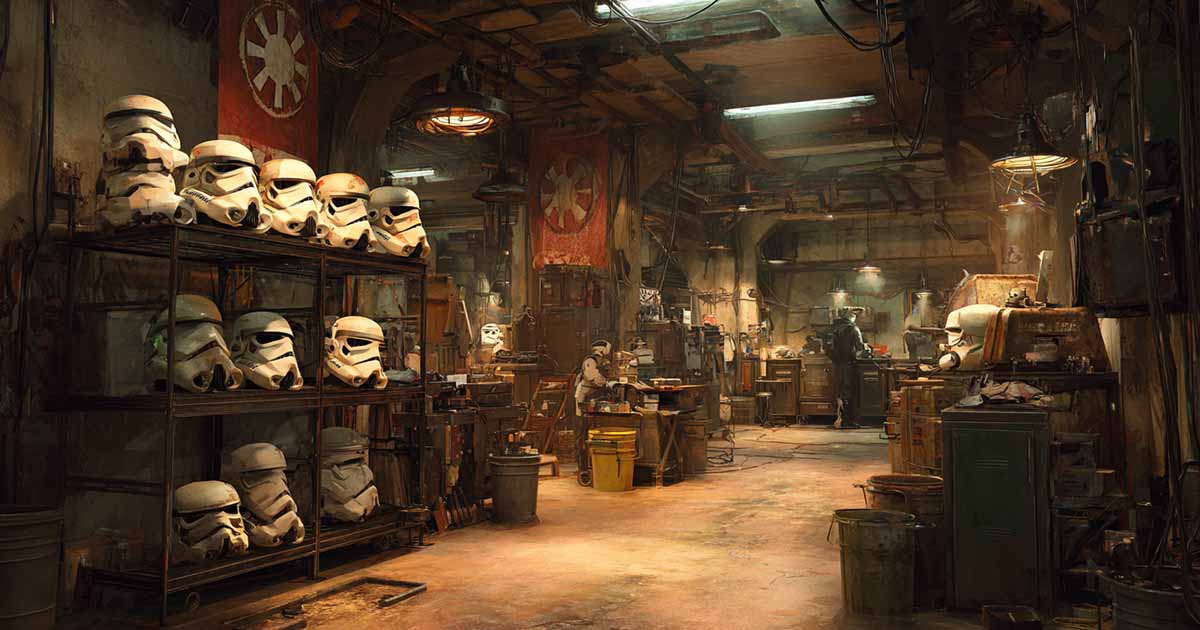
Even Empires Begin to Fade
One of the most interesting developments in modern Star Wars has very little to do with heroes. It appears in the uniforms of the people who lost.
The original trilogy presented Imperial design with absolute confidence. Armor matched perfectly. Corridors looked untouched. Machinery appeared permanent. The Empire wanted to project the image of a civilization beyond history.
"The Mandalorian and Grogu" continues a newer and more subtle approach. Imperial remnants increasingly appear assembled rather than supplied. Armor pieces vary slightly. Equipment appears reused. Small imperfections become impossible to ignore.
These details matter because audiences recognize them instinctively. Institutions rarely collapse in dramatic moments. More often, they continue existing while standards slowly disappear. Star Wars communicates decline without speeches. It allows faded paint and imperfect uniforms to tell the story.
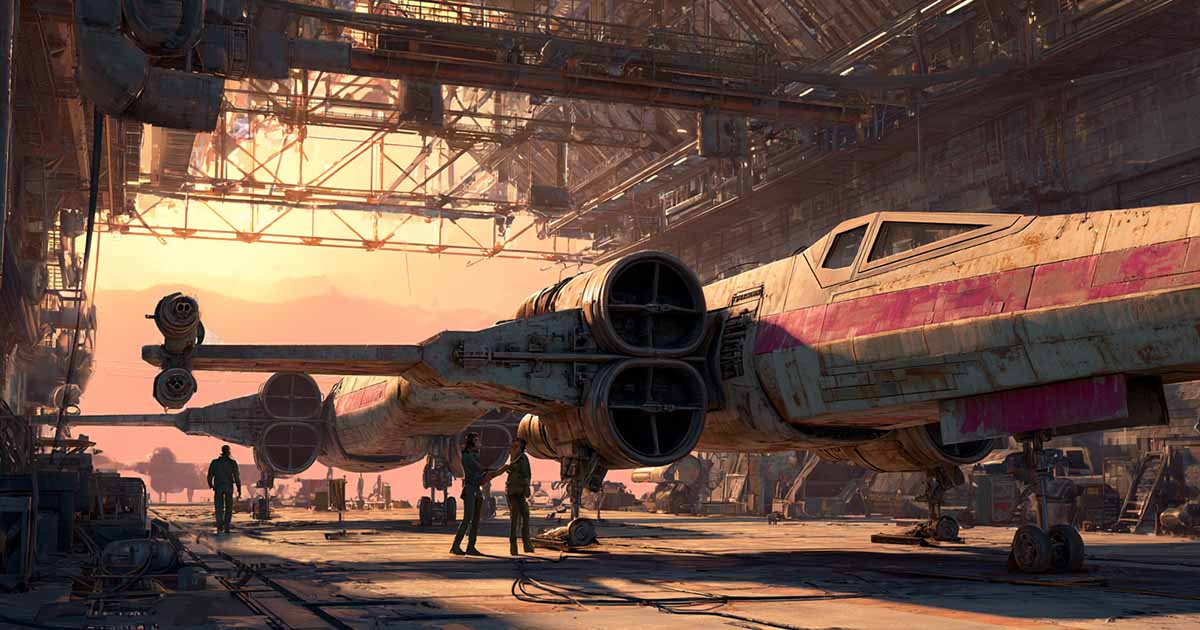
Machines Remember Older Wars
Spacecraft remain one of Star Wars' greatest illusions. Real spacecraft would not fly the way Star Wars ships move. They would not bank through turns or chase one another with the rhythm of aerial combat. Realism would produce something colder and less recognizable.
Star Wars chooses familiarity instead. Starfighters continue moving like aircraft from older war films. Pilots pursue targets visually and formations move with human rhythm rather than scientific precision.
This choice explains why Star Wars action remains understandable across generations. Audiences do not need technical knowledge to understand pursuit and danger. The language of flight already exists inside the culture. The ships appear futuristic, but their behavior belongs to remembered history.
The Background Has Always Been the Main Character
Many viewers watch Star Wars by following whoever speaks. Faces attract attention and action scenes pull the eye toward movement. The deeper storytelling often happens somewhere else.
Watch the edges of scenes and patterns emerge. Workers wear practical clothing while authority figures emphasize structure and order. Civilian locations gather modifications and signs of adaptation. Criminal environments collect objects until function becomes difficult to separate from survival.
Star Wars has always used visual categories to explain society. Tall armored figures stand beside robed travelers and mechanics surrounded by tools. These silhouettes repeat across decades and quietly create familiarity. The audience understands the world before understanding the story.
Dirt Changed Science Fiction
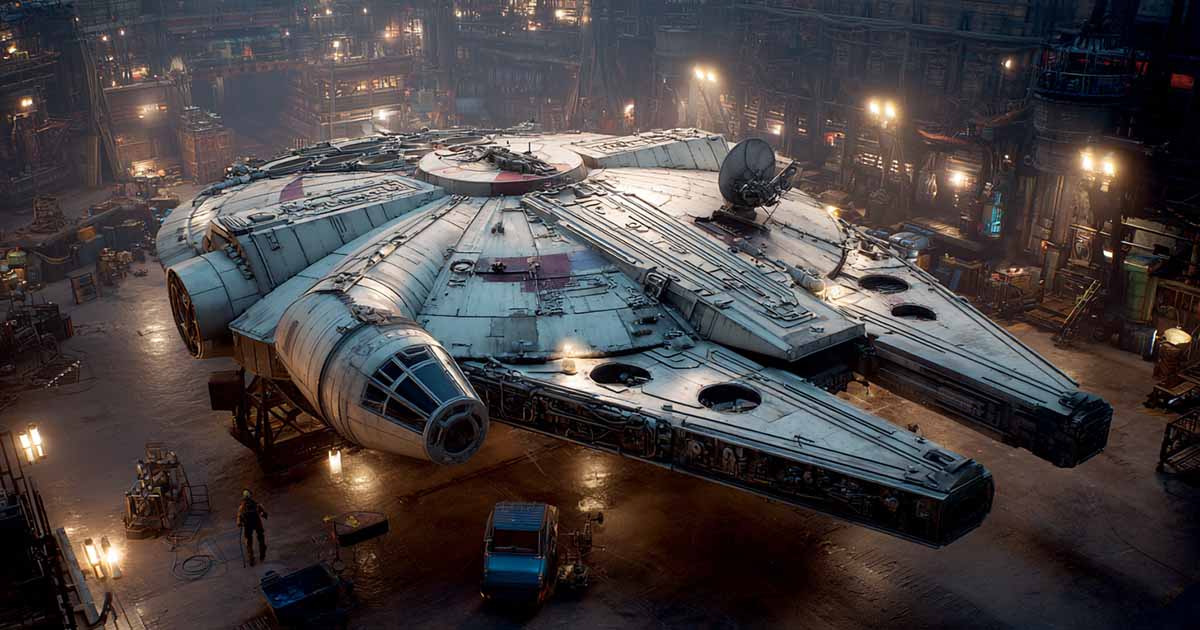
One of Star Wars' most influential ideas still receives less attention than lightsabers or special effects. Star Wars, cinematic futures often appeared spotless. Technology looked untouched by labor and untouched by time. Machines appeared assembled yesterday and destined to remain perfect.
Star Wars introduced wear and faded paint. Clothing carried stains. Ships accumulated repairs and damage. Entire worlds looked occupied instead of displayed. That choice did more than create realism. Weathering created continuity.
A damaged control panel suggests previous owners. Scratches suggest earlier journeys. Every mark becomes evidence that life continued before the audience arrived. "The Mandalorian and Grogu" still understands that lesson and preserves weathering with unusual care.
The Sound of Memory
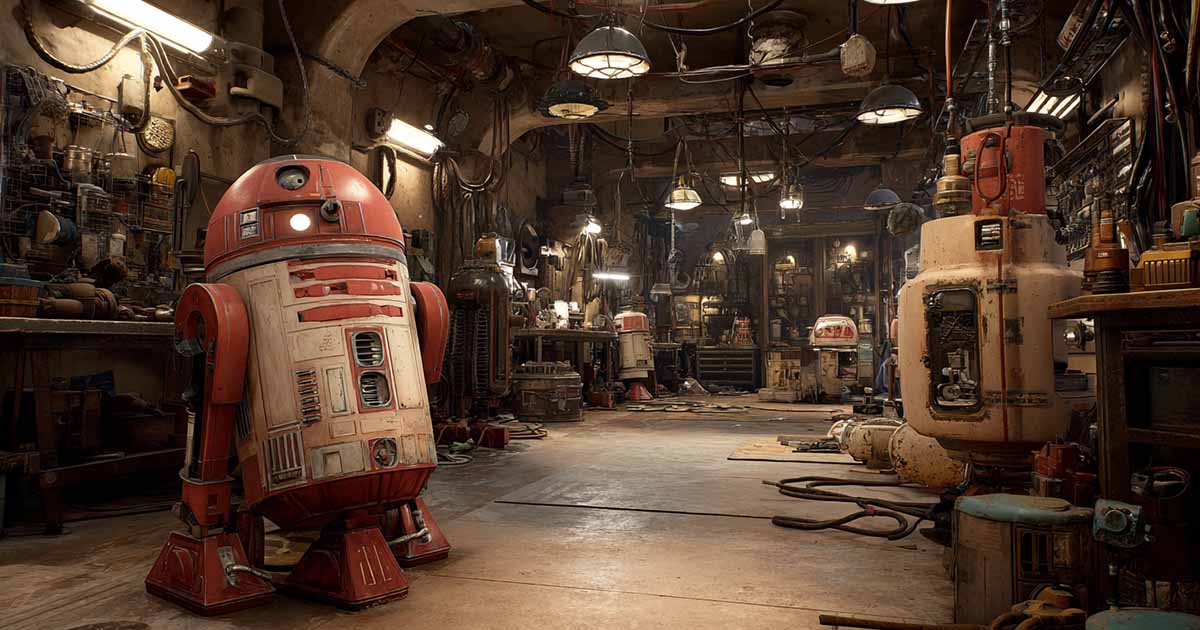
Visual continuity receives most of the attention in Star Wars discussions, but sound may be equally important. Creature voices and environmental effects rarely arrive without history attached to them. Familiar textures return in new combinations and create emotional continuity even when audiences cannot identify individual sounds.
This approach explains why Star Wars creatures rarely feel disconnected from one another. New species enter the galaxy while still sounding like they belong there. Sound design becomes another form of inheritance. The audience hears continuity before consciously recognizing it.
Tiny Details Hold Entire Civilizations Together
Star Wars has always trusted small details more than explanation. Ships remain covered with dense mechanical textures and layered surfaces. Those tiny additions often resemble old model parts attached to create complexity and age. Modern productions continue reproducing that effect even with digital tools.
Architecture follows equally strict rules. Imperial environments rely on straight lines and controlled geometry. Civilian settlements become layered and uneven. Criminal spaces prioritize adaptation over order.
These decisions communicate politics through appearance rather than exposition. The world feels coherent because every object appears to belong somewhere.
The Future Is Built From Old Drawings
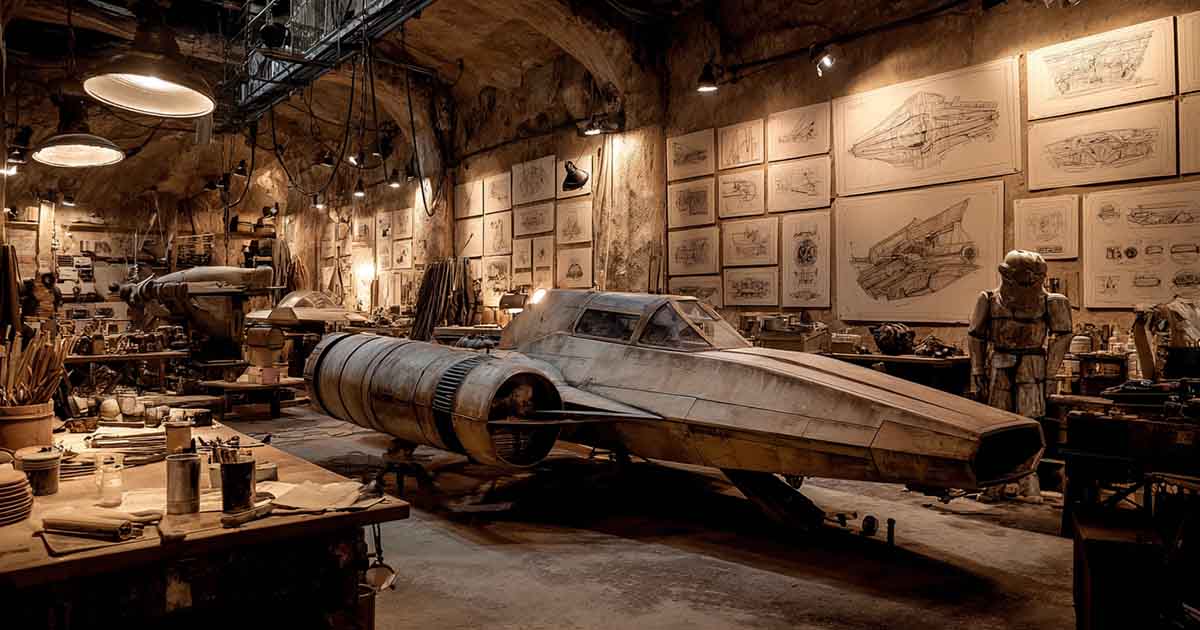
Many audiences assume every new design begins with fresh concept art. Star Wars rarely works that way. Production archives remain active and abandoned concepts continue finding new life. Sketches created decades earlier return as vehicles, costumes, creatures, and environments in modern productions. This practice creates more than nostalgia. It creates continuity.
Star Wars builds its own future the same way civilizations build theirs. New generations inherit old ideas, reshape them, and pass them forward.
Why Star Wars Still Feels Different
People often explain the longevity of Star Wars by pointing to recognizable characters or familiar stories. Those elements matter, but they do not fully explain the effect.
What separates Star Wars from many modern franchises is the sense that history remains visible. Objects survive. Institutions age. Worlds accumulate evidence of previous lives.
"The Mandalorian and Grogu" succeeds because it remembers that science fiction becomes more convincing when the future feels inhabited rather than invented. The galaxy still feels real because it carries scratches from everyone who came before.