
Two Visions of the Future in Classic Science Fiction
From "Star Wars" to "Alien," classic science fiction offers two enduring visions of the future. One celebrates adventure. The other rewards character, competence, and endurance.

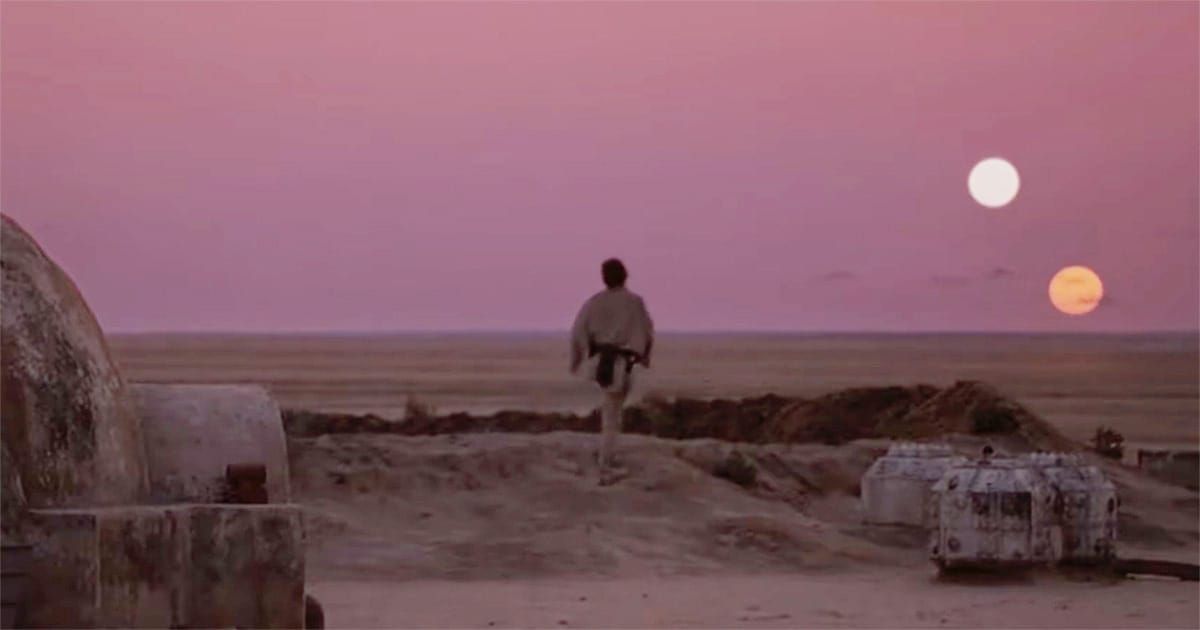
This Week in Classic Science Fiction
Memorial Day now feels inseparable from giant movie releases, but science fiction helped create that expectation. Before the late 1970s, the genre was respected and occasionally successful, yet it rarely opened the summer season with confidence.
That changed on May 25, 1977, when "Star Wars" arrived in American theaters. The film did more than become a hit. It convinced studios that audiences would show up at the start of summer for grand adventures, imaginative worlds, and stories that aimed to entertain first.
Two years later, science fiction returned to the same week with a very different vision. Released on May 25, 1979, "Alien" replaced bright heroics with dark corridors, working people, and danger waiting beyond the next door. The success of both films showed that science fiction was not one style but a broad territory.
Late May slowly became one of the natural homes of the genre. For many fans, Memorial Day no longer marks only the beginning of summer. It marks the beginning of the season when science fiction arrives and asks audiences to imagine what comes next.
This framing leaves room for the feature article to explore how those two films created different models for the future of science fiction.
Sponsored by: Alien Lizard Head | એલિયન લિઝાર્ડ હેડ T-shirt

Not every visitor from the stars arrives in a flying saucer. The Alien Lizard Head T-shirt brings classic science-fiction imagination into everyday wear with a detailed extraterrestrial design and a soft, lightweight fit built for conventions, movie nights, or ordinary Earth duty.
The Two Promises of Science Fiction
Science fiction fans often remember ships, creatures, costumes, and special effects. Those details matter, but they are rarely the reason a story stays alive for decades. Long after the machines become outdated and the predictions miss the mark, the feeling remains.
Classic science fiction usually offers one of two promises about the future. One promise says the future is an open frontier waiting for courage and imagination. The other says the future will test people and reveal what they are made of. Both ideas continue to attract audiences because both speak to something true.
"Star Wars" and "Alien" remain among the strongest examples of those promises. They are very different stories, yet they continue to feel familiar because they ask the same question. What kind of man succeeds when the world changes around him?
That question gives classic science fiction much of its staying power. The stories may include impossible machines or distant planets, but their concerns remain familiar. They ask whether people become smaller or greater when the world changes.
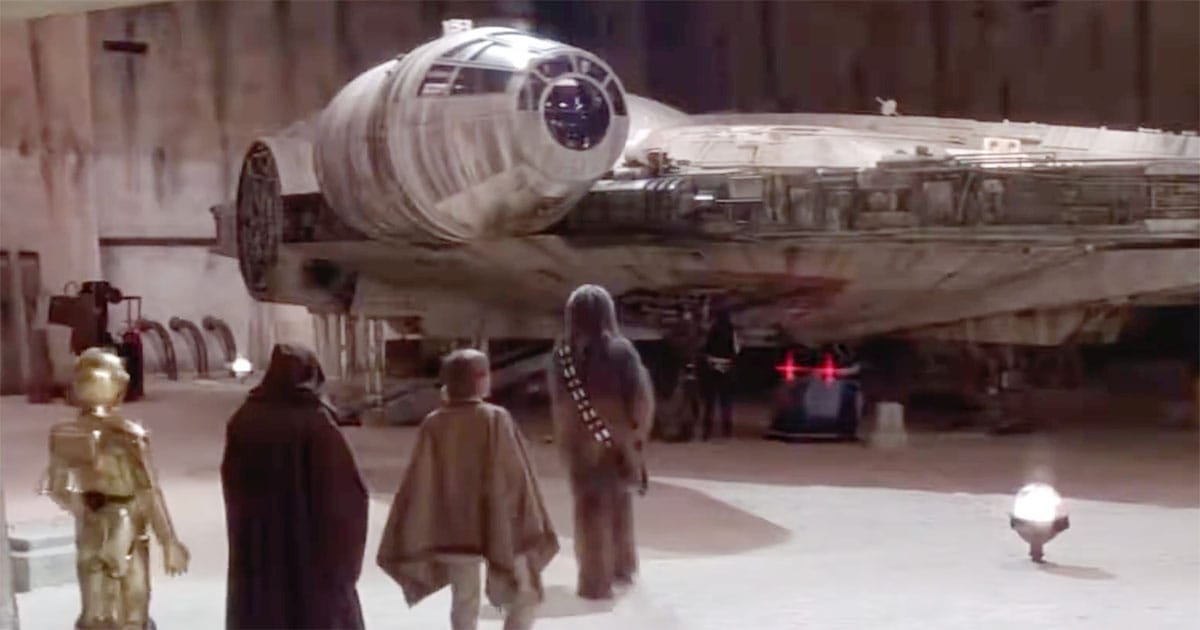
The Future as Adventure
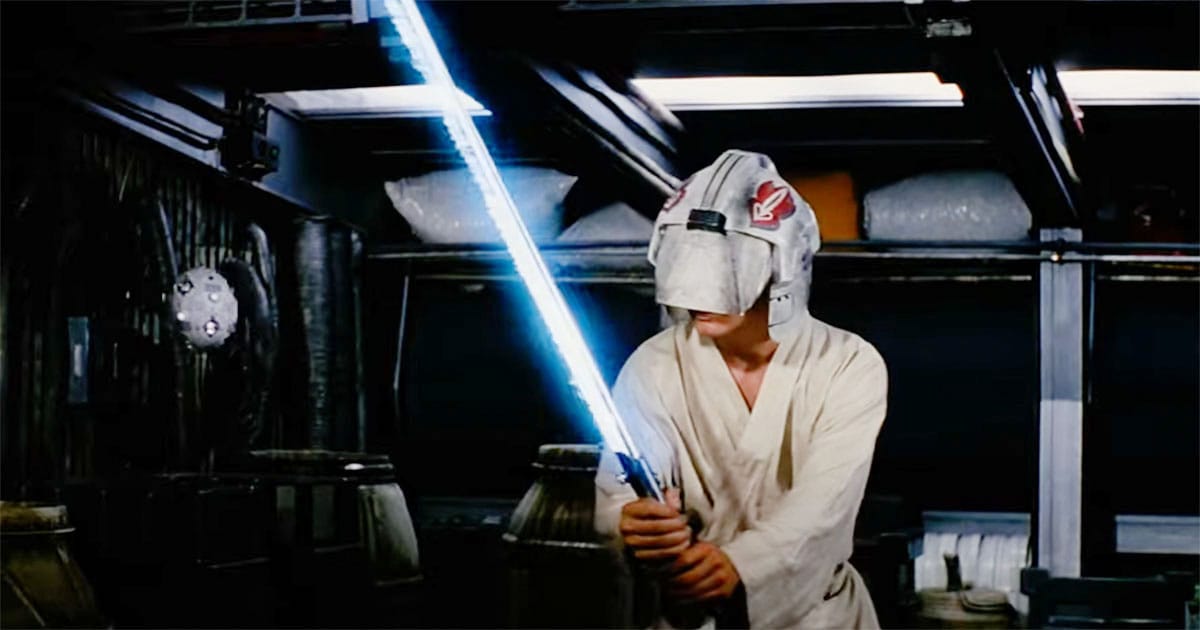
The promise of "Star Wars" begins with possibility. The story opens far from greatness. Luke Skywalker is not powerful, wealthy, or important. He lives at the edge of events and believes life is happening somewhere else.
That feeling gives the story much of its power. The future in "Star Wars" is large and waiting to be explored. The machines are impressive, but they never replace human choice. Every important moment comes from decisions, loyalty, sacrifice, or courage.
The film trusts that ordinary people can rise to difficult moments. Heroes are not born complete. They grow through responsibility and experience. That idea has remained attractive for generations because it suggests that the future rewards character more than status.
There is optimism in that vision. Exploration is worthwhile. Friendship matters. Evil can be resisted. Even the worn and mechanical parts of the galaxy still contain places worth seeing and causes worth serving.
Many classic science fiction stories share this confidence. In "The Last Starfighter," greatness arrives unexpectedly. In "Forbidden Planet," knowledge remains exciting even when it carries risks. In "Close Encounters of the Third Kind," curiosity becomes a force stronger than fear.
These stories suggest that the unknown is not automatically hostile. It may demand effort and humility, but it still invites people forward. The future becomes something to approach rather than avoid.
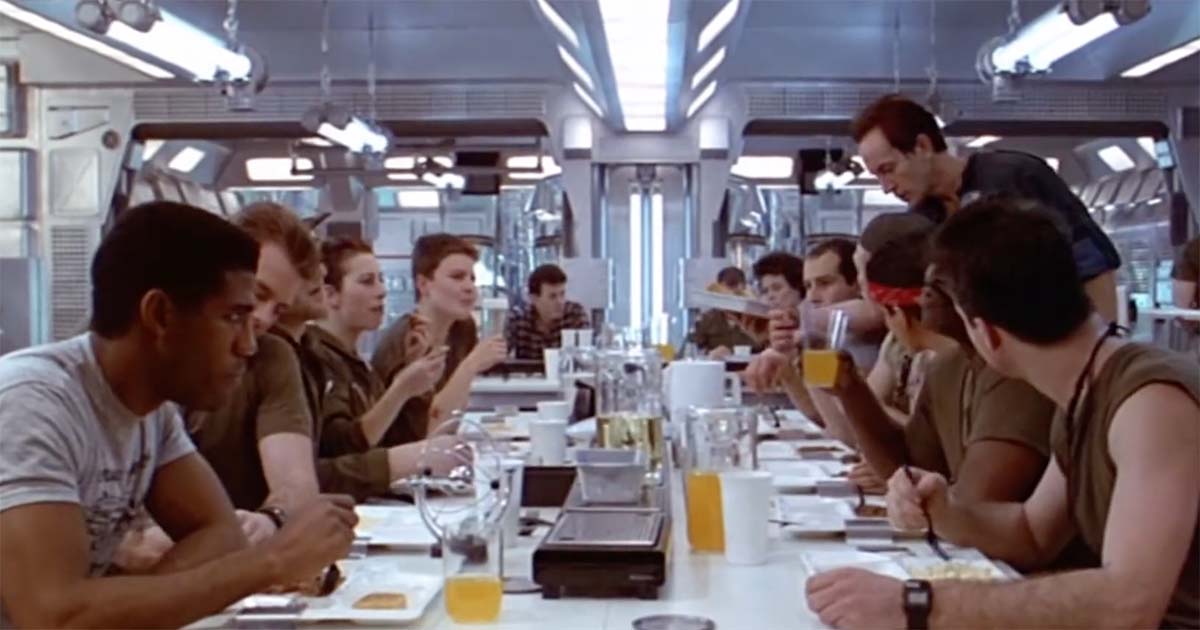
The Future as a Test
"Alien" offers a different promise. It does not present the future as a great adventure waiting to begin. Instead, it shows a future where people already live and work among extraordinary things.
The crew of the Nostromo are not explorers searching for glory. They are professionals trying to finish a difficult job. Their conversations sound practical and familiar. They worry about schedules, pay, and getting home.
That choice gives the story its unusual strength. The future feels believable because people behave like people. The crew does not win through destiny or hidden greatness. Survival depends on judgment, discipline, and persistence.
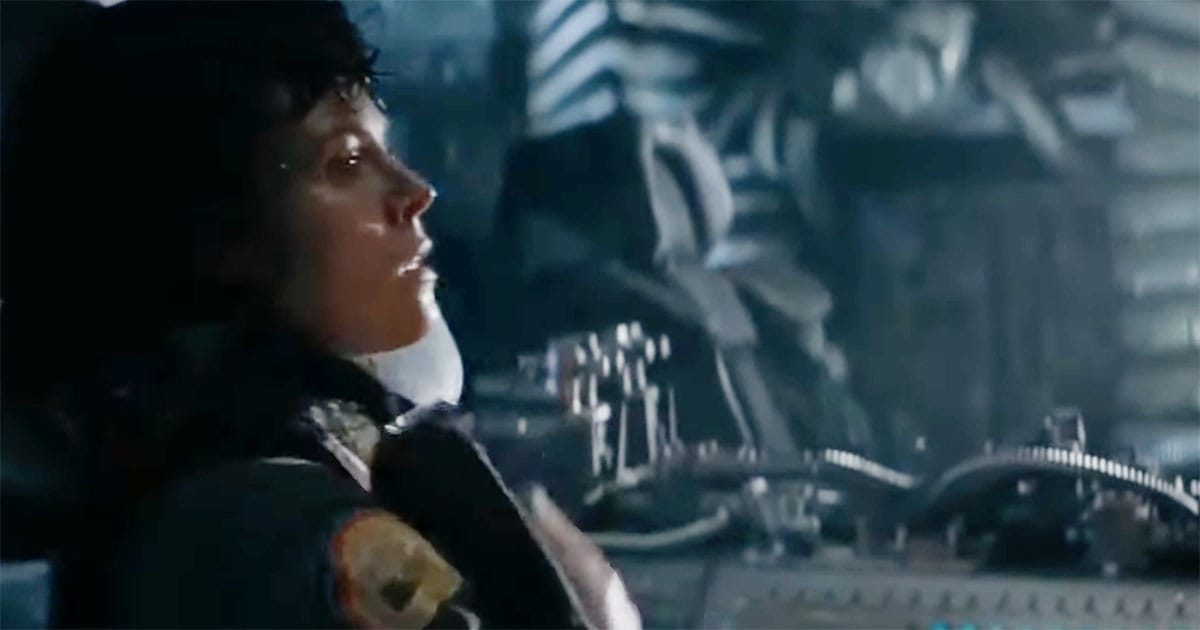
Ripley became one of science fiction's great characters because she responds to problems rather than speeches. She notices details. She follows rules when others ignore them. Her strength comes from competence.
That is the second promise of science fiction. The future may become dangerous or uncomfortable, but good habits and clear thinking still matter. Human beings remain capable of meeting difficult conditions.
This tradition appears throughout classic science fiction. "The Thing" values observation and trust. "2001" treats space travel as serious work rather than fantasy. Even stories filled with danger often reward patience and responsibility.
This version of the future is not pessimistic. It simply assumes that progress does not remove human obligations. New worlds still require old virtues.
Why We Need Both
At first glance, these visions seem to be opposites. One points upward toward adventure. The other points inward toward endurance. Yet classic science fiction rarely chooses only one path.
"Star Wars" still asks its heroes to sacrifice. "Alien" still leaves room for courage. The strongest stories understand that excitement alone is not enough and realism alone is not enough.
Adventure without responsibility becomes empty spectacle. Realism without wonder becomes routine. Science fiction works best when it reminds people that the future remains both exciting and demanding.
That may explain why audiences return to these works after many years. A young viewer may admire speed, danger, and discovery. Years later, he may admire steadiness, competence, and restraint.
The same story can change as the viewer changes. What once looked like escape may later look like wisdom. That is one reason classic science fiction continues to reward repeated visits.
The Future Still Belongs to People
The future in these stories is never fully controlled. New places appear. Unexpected dangers arrive. Technology changes. Human pride continues to create problems.
Yet the central question remains surprisingly old.
Who are you when conditions become uncertain?
That question keeps science fiction from becoming obsolete. The details may age. The effects may improve. The predictions may fail. Human character still matters.
That is why these stories continue to endure. Whether the future looks like the bright horizon of "Star Wars" or the hard corridors of "Alien," both suggest something encouraging.
The future still belongs to people who are willing to meet it.
Trivia
1. In "Star Wars," the Millennium Falcon's famous engine sound includes recordings of a wet highway and a World War II tank.
2. The Nostromo in "Alien" never travels faster than light on its own. The ship relies on a separate towing and commercial transport concept that helped make the setting feel industrial rather than heroic.
3. The blinking computer lights in "Alien" were partly created with surplus aircraft and military electronics rather than futuristic props.