
What Is the Missionaria Protectiva in "Dune"
The Bene Gesserit's Missionaria Protectiva shaped "Dune" through planted prophecies, political strategy, and faith, helping prepare the way for Paul Atreides.

"Missionaria Protectiva" Explained
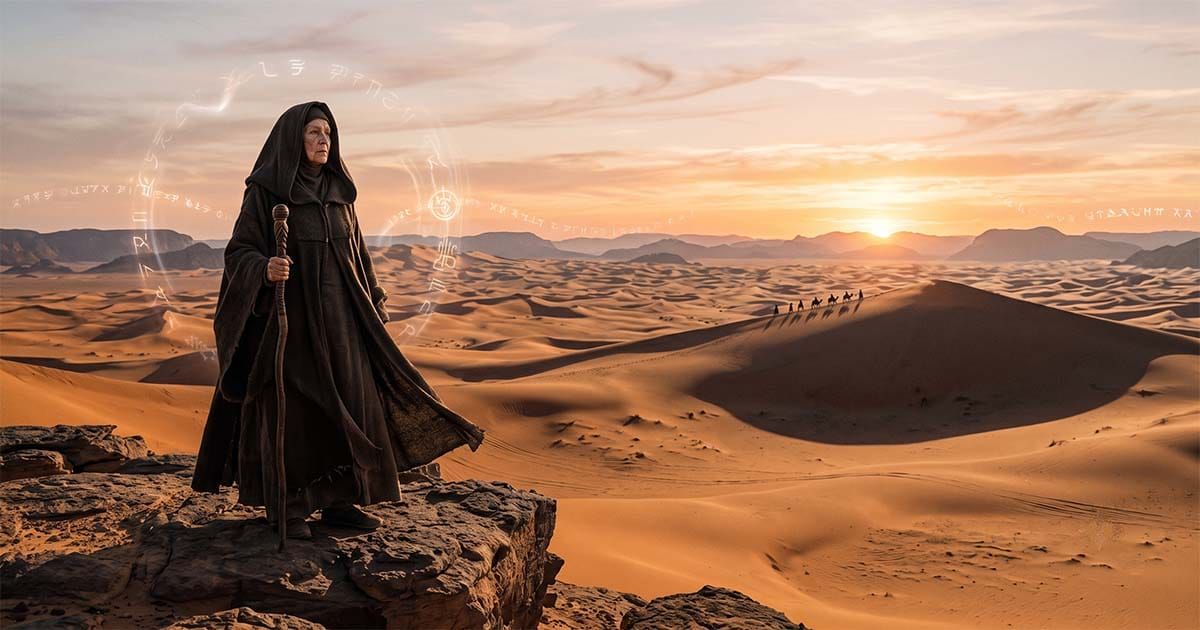
Few ideas in "Dune" are as quietly influential as the Missionaria Protectiva. It never commands an army, governs a planet, or appears as a single character. Instead, it shapes civilizations through stories planted generations before they bear fruit.
Frank Herbert uses the Missionaria Protectiva to show that power does not always come from force. Sometimes it comes from belief. By the time readers meet Paul Atreides and Lady Jessica on Arrakis, the Bene Gesserit have already spent centuries preparing the ground. Understanding this hidden program transforms "Dune" from a simple tale of prophecy into a thoughtful examination of religion, politics, and long-range planning.
| Field | Information |
|---|---|
| Name | Missionaria Protectiva |
| Aliases | The Bene Gesserit "black arm of superstition"; associated with the Panoplia Propheticus |
| Affiliation | Bene Gesserit Sisterhood |
| First Appearance | "Dune" (1965) by Frank Herbert |
| Description | A long-term Bene Gesserit program that plants adaptable myths, prophecies, and religious traditions on selected worlds. Created as both a survival mechanism and a tool of cultural influence, the Missionaria Protectiva prepares societies to recognize and accept Bene Gesserit agents or other significant figures, playing a pivotal role in Paul Atreides' rise on Arrakis. |
Origins And Context
The Missionaria Protectiva is a program operated by the Bene Gesserit Sisterhood. Its purpose is remarkably practical. Sisters traveling throughout the Imperium introduce carefully crafted legends into isolated or developing societies. These stories become part of local tradition over generations.
The goal is survival. If a Bene Gesserit later finds herself stranded or politically vulnerable, she may recognize familiar beliefs and use them to earn protection or influence. Local people see an ancient prophecy fulfilled. The Sisterhood sees a carefully prepared contingency plan paying off.
This program is often confused with the Bene Gesserit's breeding project, but they serve different purposes. The breeding program attempts to produce the Kwisatz Haderach through generations of selective bloodlines. The Missionaria Protectiva prepares cultures to recognize extraordinary figures when they appear.
One shapes genetics. The other shapes belief. Together, they reveal how the Bene Gesserit think. They are willing to invest centuries in plans whose benefits they may never personally witness. In Herbert's universe, patience becomes a form of power.
How The Mission Worked
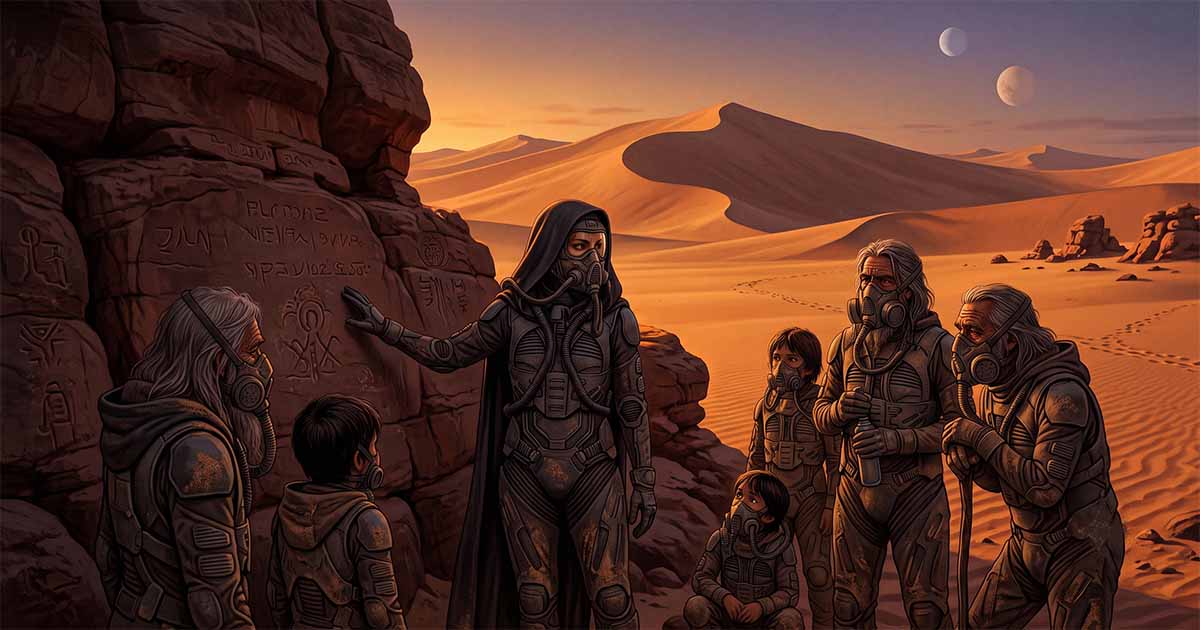
The Missionaria Protectiva never imposed one universal religion. Instead, Bene Gesserit agents adapted their work to each culture they visited.
A harsh desert world might receive stories about an off-world deliverer. Another society might preserve sacred gestures, ritual phrases, or expectations surrounding a mysterious holy woman. Because these beliefs blended naturally with existing customs, later generations accepted them as authentic traditions. Few remembered where the stories began.
This flexibility made the program remarkably effective. Rather than replacing local faith, it quietly redirected it. Herbert understood that belief systems develop over time. The Missionaria Protectiva succeeds because it works with culture rather than against it.
Role In The Story
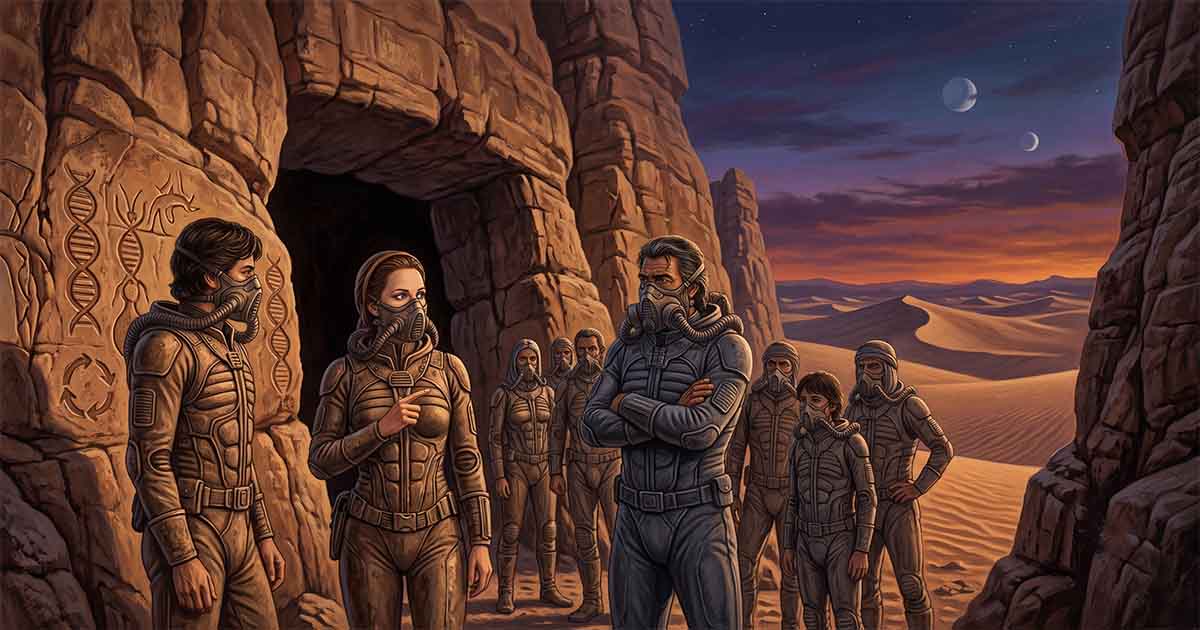
The importance of the Missionaria Protectiva becomes clear after House Atreides falls on Arrakis. As Lady Jessica and Paul flee into the desert, Jessica immediately recognizes familiar patterns in Fremen traditions. Certain phrases, customs, and expectations align with the cultural framework established by the Bene Gesserit long before either of them arrived.
Jessica realizes that the Missionaria Protectiva has already prepared the ground. Instead of introducing herself as an ordinary refugee, she carefully responds to signs the Fremen already understand. Her Bene Gesserit training allows her to recognize when silence is wiser than explanation and when a carefully chosen word can reinforce existing expectations.
Paul benefits even more. The Fremen already anticipate a remarkable off-world figure. Paul's intelligence, combat ability, and growing prescient awareness seem to confirm beliefs that have existed for generations. His acceptance therefore feels natural to the Fremen, even though readers understand that the process has been quietly engineered.
This does not mean the Bene Gesserit created the Fremen religion. The Fremen possess their own culture, history, and spiritual traditions rooted in life on Arrakis. The Missionaria Protectiva merely plants selected prophetic elements within those traditions.
That distinction matters. Herbert is not arguing that faith itself is artificial. Instead, he asks how institutions can influence belief and how easily people may confuse careful preparation with destiny.
Prophecy Or Manipulation
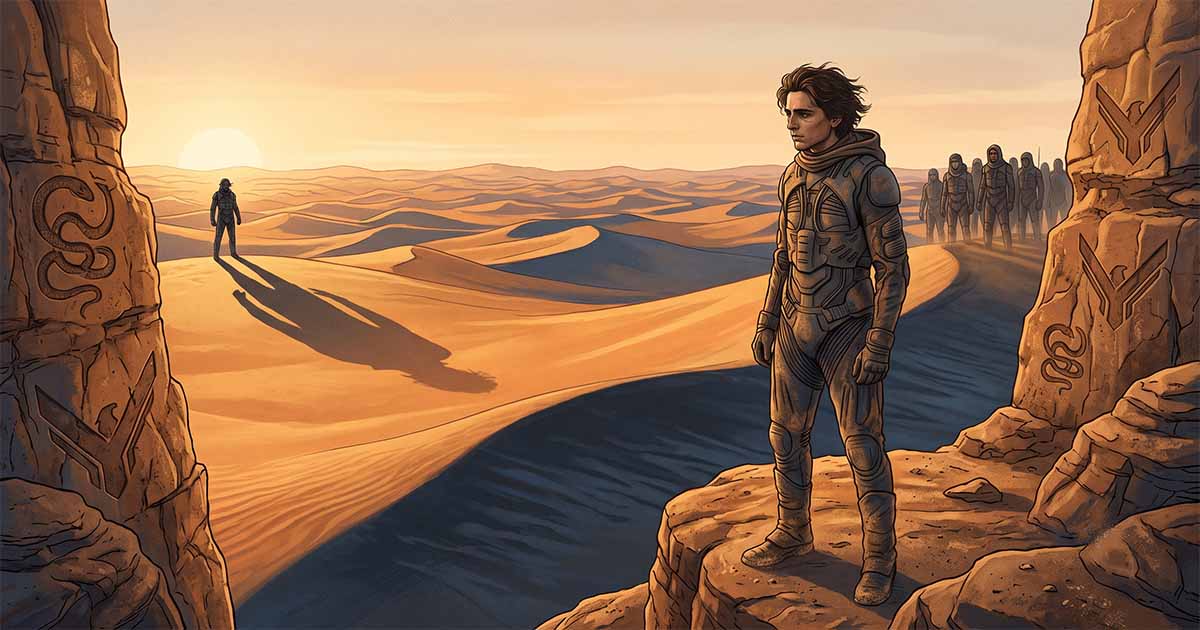
One question has fascinated readers for decades. Was Paul truly the chosen one, or was everything manufactured? Herbert deliberately refuses to give a simple answer.
Paul possesses abilities that extend far beyond ordinary human experience. His genetic heritage, Bene Gesserit education, and exposure to spice produce genuine powers that cannot be dismissed as political theater.
At the same time, the religious framework welcoming him already exists because of the Missionaria Protectiva. Without those planted prophecies, Paul would still be extraordinary. Without Paul's extraordinary abilities, the prophecies alone would not have created a leader capable of transforming the Imperium.
The novel therefore rests on four connected pillars: genetics, prescience, politics, and belief. None works entirely on its own. That complexity helps explain why "Dune" continues to reward rereading more than sixty years after its publication.
Legacy Across Dune
The Missionaria Protectiva remains one of Herbert's most original contributions to science fiction because it treats religion as both a sincere human experience and a political instrument. Later novels continue to explore the consequences of belief systems that outgrow those who created them.
The major screen adaptations present the idea with varying degrees of detail. David Lynch's adaptation of "Dune" released in 1984 only hints at the idea, while the 2000 Sci-Fi Channel miniseries "Frank Herbert's Dune" explains more of its political background. Denis Villeneuve's films emphasize the emotional and cultural consequences, allowing viewers to see how deeply prophecy shapes the Fremen without lengthy exposition.
More than six decades after "Dune" first appeared, the Missionaria Protectiva remains one of Herbert's sharpest observations about history. Stories can outlive their creators. Once people believe them, no institution can completely control where they lead.