
Why Are Animals Rare and Important in "Blade Runner"?
Why are animals so rare in "Blade Runner"? Learn how environmental collapse, artificial animals, and the owl, snake, dove, and unicorn shape the film's themes and worldbuilding.

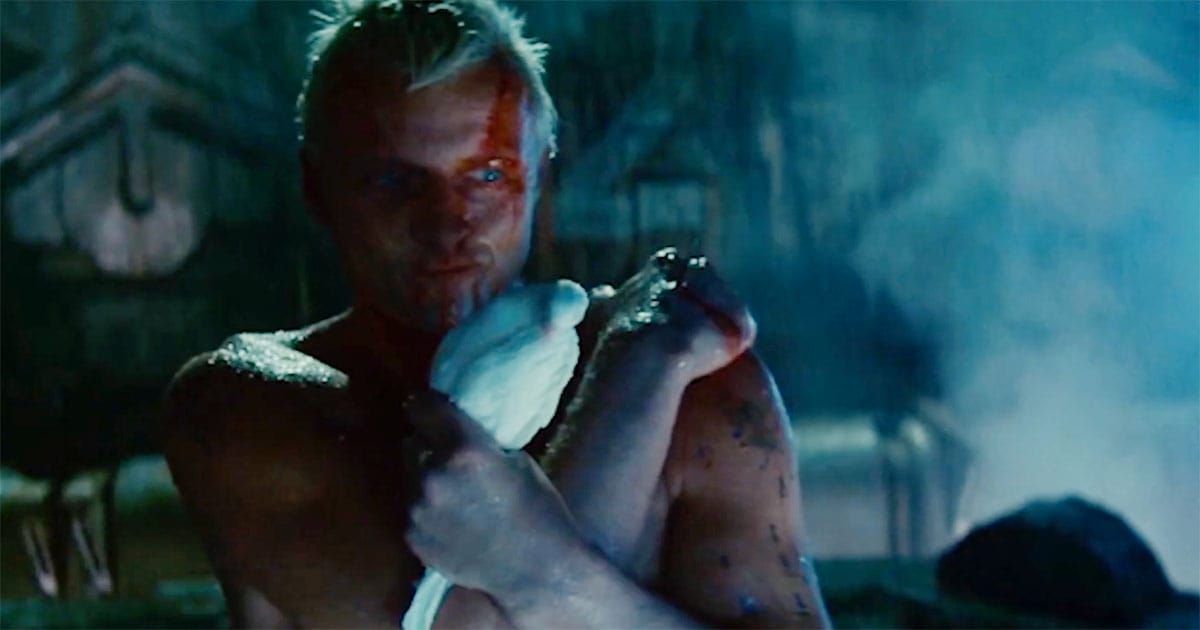
Animals are rare in "Blade Runner" because humanity has devastated Earth's environment through decades of pollution, industrialization, and ecological neglect. The film presents a future where clean air, healthy ecosystems, and thriving wildlife have largely disappeared. As natural habitats vanish, many species become extinct or survive only in very small numbers.
Unlike many science fiction films, "Blade Runner" does not explain this history through narration or lengthy exposition. Instead, it trusts the audience to notice what is missing. There are very few birds in the sky, almost no wild animals, and almost no signs that nature still thrives. The absence of wildlife tells viewers that civilization has paid a terrible price for its technological achievements.
The film's vision differs somewhat from Philip K. Dick's novel "Do Androids Dream of Electric Sheep?" In the novel, radioactive fallout from World War Terminus destroys much of Earth's ecosystem and kills countless animal species. Ridley Scott's adaptation places greater emphasis on pollution, urban decay, and environmental collapse, but the result is much the same. Living animals have become extraordinarily rare.
A City That Has Replaced Nature
The Los Angeles of "Blade Runner" feels crowded with people, machines, advertisements, and towering buildings, yet it also feels strangely empty. The city never appears alive in the way modern cities do. Parks, forests, rivers, and wildlife have almost disappeared beneath concrete, steel, and neon.
This absence creates one of the film's strongest pieces of worldbuilding. Healthy ecosystems normally surround human civilization, even in large cities. Birds nest on buildings, insects fill the air, and animals continue to exist alongside people. In "Blade Runner," that balance has been broken.
The disappearance of wildlife tells viewers that Earth's environmental decline did not happen overnight. It reflects decades of expanding industry, poisoned air, contaminated water, and the destruction of natural habitats. Humanity has mastered advanced technology while failing to preserve the world that made civilization possible.
The film never identifies a single catastrophe that caused this decline. Instead, environmental collapse appears to be the cumulative result of human choices over many years. That makes the setting feel believable because the damage results from gradual neglect rather than a single dramatic disaster.
Why Animals Have Become So Valuable
Because living animals are so uncommon, they have become luxury possessions. Owning a genuine animal is a sign of wealth, prestige, and privilege. Most people can never afford one, making living creatures as desirable as rare works of art.
Artificial animals have emerged to satisfy the demand. These mechanical or bioengineered substitutes closely resemble the real thing, allowing people to experience something that looks alive even when genuine animals are unavailable. Society has accepted imitation because authentic nature has become increasingly difficult to find.
This shift says much about the culture portrayed in the film. Rather than restoring the environment, people have learned to manufacture convincing replacements. Technology has become a substitute for stewardship.
Living animals also possess emotional value beyond their price. They represent continuity with the natural world and remind people that authentic life still survives. In a society dominated by machines and manufactured experiences, even a single living creature becomes precious.
Animals and the Question of Authenticity
The rarity of animals connects directly to one of the film's central themes. Throughout "Blade Runner," viewers are asked to consider the difference between what is natural and what is artificial.
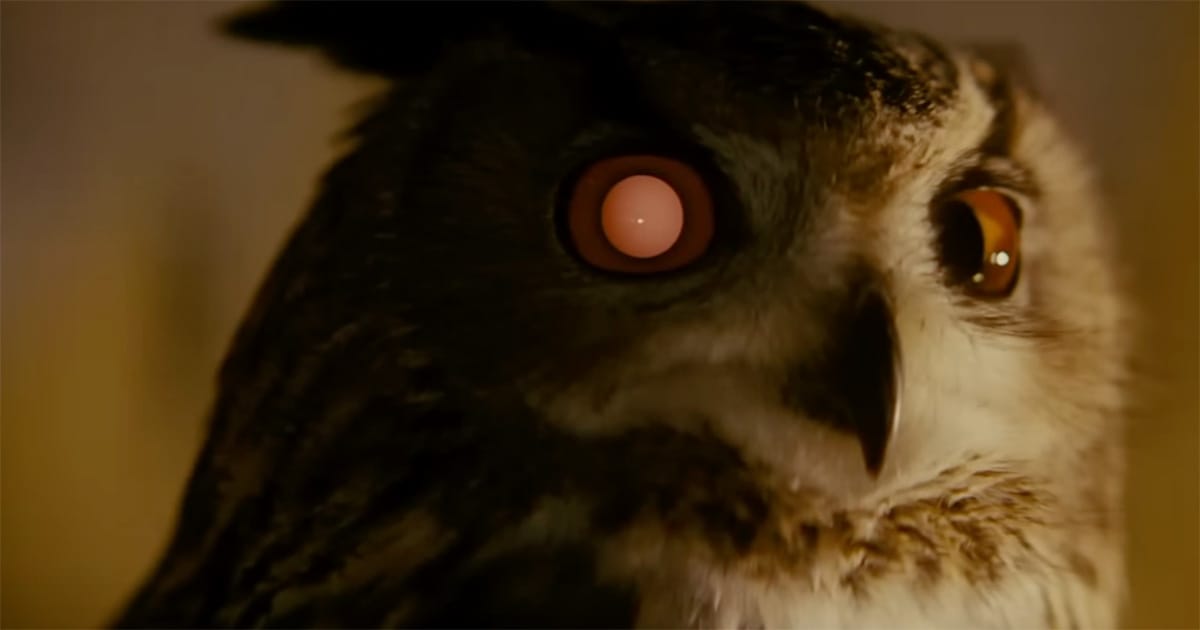
Artificial animals mirror the existence of replicants. Both imitate living beings with remarkable accuracy, and both force characters to ask whether biological origin is the only measure of authenticity. If an artificial owl behaves exactly like a real owl, does its origin matter? If a replicant can think, love, fear, and sacrifice, should it be dismissed simply because it was created in a laboratory?
The film never provides an easy answer. Instead, it invites viewers to question assumptions about life itself. Appearance, memory, intelligence, and emotion all become part of the discussion.
This parallel is one reason animals are so important, even though they appear only briefly. They prepare the audience for the larger moral questions surrounding the replicants. By the time those questions become central to the story, the film has already demonstrated that the distinction between the real and the artificial is not always easy to define.
Animals and Empathy
Animals also reinforce another important idea in "Blade Runner," which is empathy. The Voight-Kampff test measures emotional responses, and several of its questions involve animals. These scenarios are designed to reveal whether the subject experiences genuine compassion for vulnerable living creatures.
This idea comes directly from Dick's novel, where caring for animals is widely regarded as an expression of moral character. Because living animals are so rare, protecting them becomes an ethical responsibility as well as a personal commitment.
Although the film gives less attention to this theme than the novel, it remains part of the story's foundation. Compassion toward animals reflects a broader capacity for empathy, which is the very quality the authorities believe separates humans from replicants.
Ironically, the events of the film often blur that distinction. Several replicants demonstrate loyalty, grief, affection, and sacrifice, while many humans appear indifferent to suffering. The disappearance of animals therefore reinforces the film's larger examination of what it truly means to be human.
The Meaning of the Film's Animals
Each of the film's notable animals contributes to its larger themes.
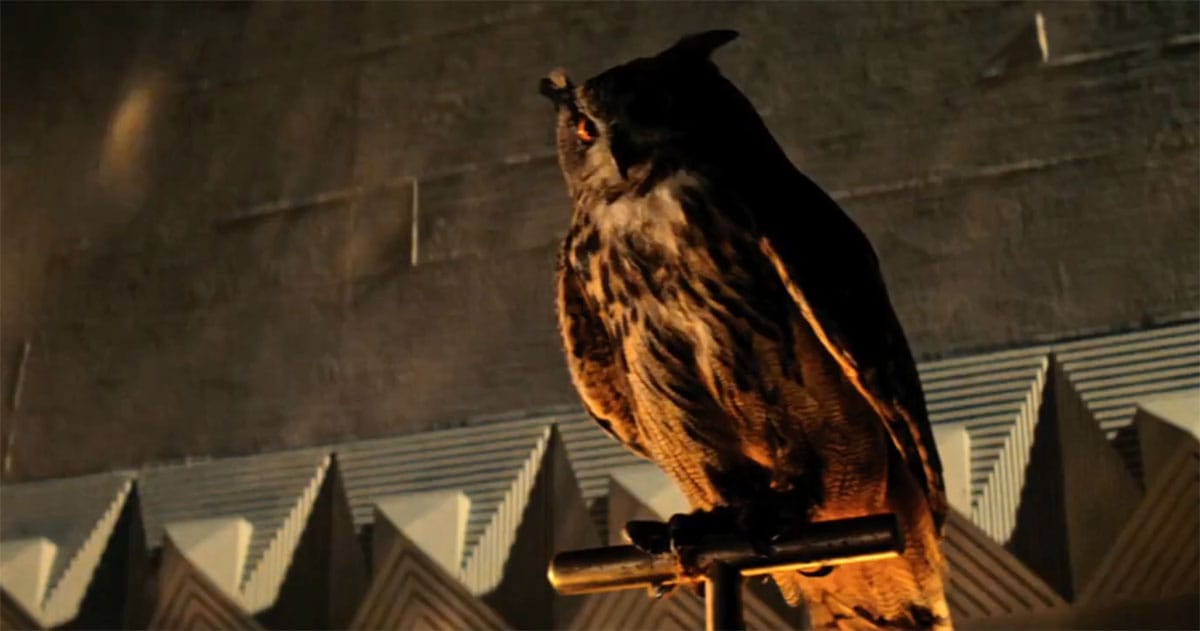
The owl at the Tyrell Corporation represents wisdom, beauty, and the uncertain boundary between nature and technology. Whether real or artificial, it reminds viewers that authentic wildlife has become so uncommon that even experts must ask whether a creature is genuine.
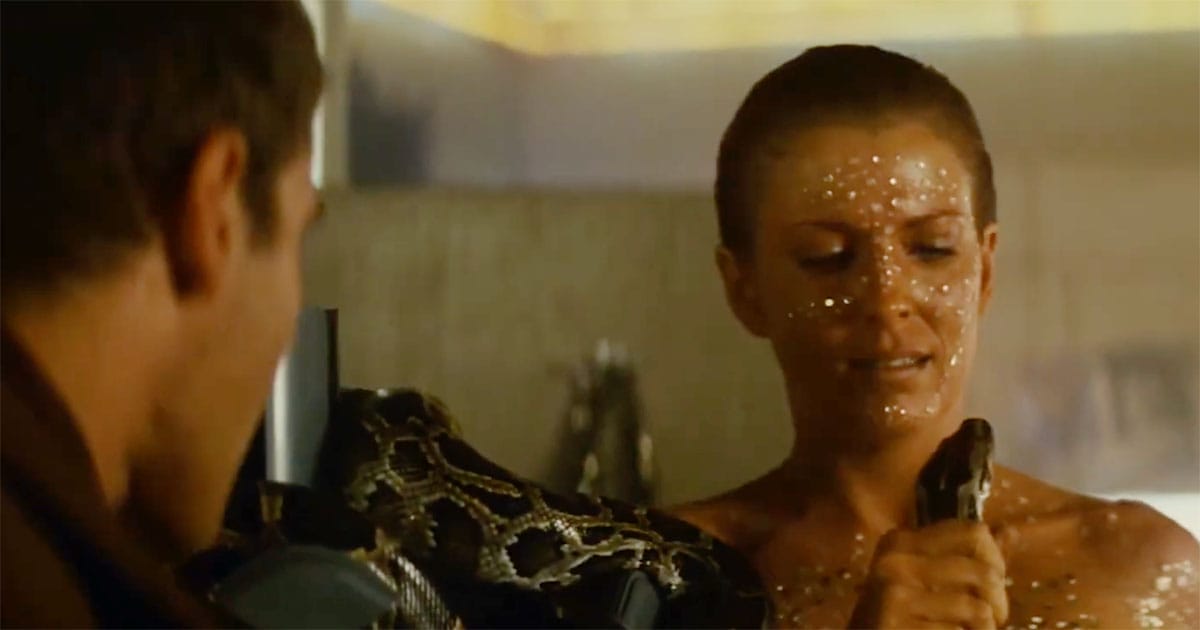
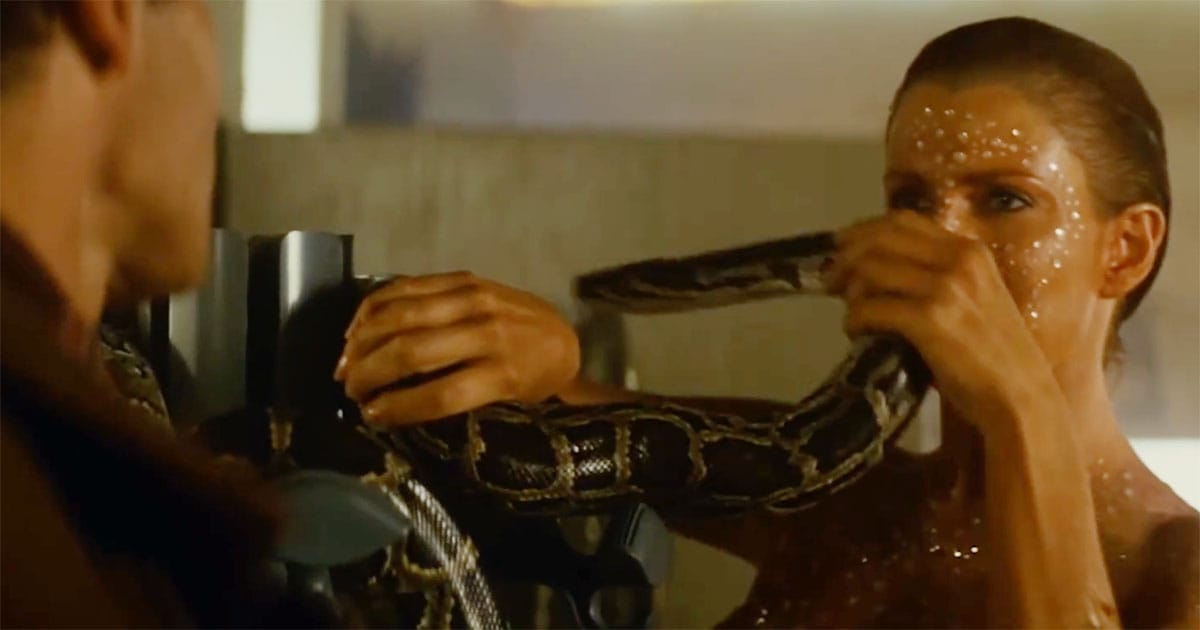
Zhora's snake reflects another form of manufactured life. Its artificial nature reinforces the idea that technology has replaced much of the natural world rather than preserving it.
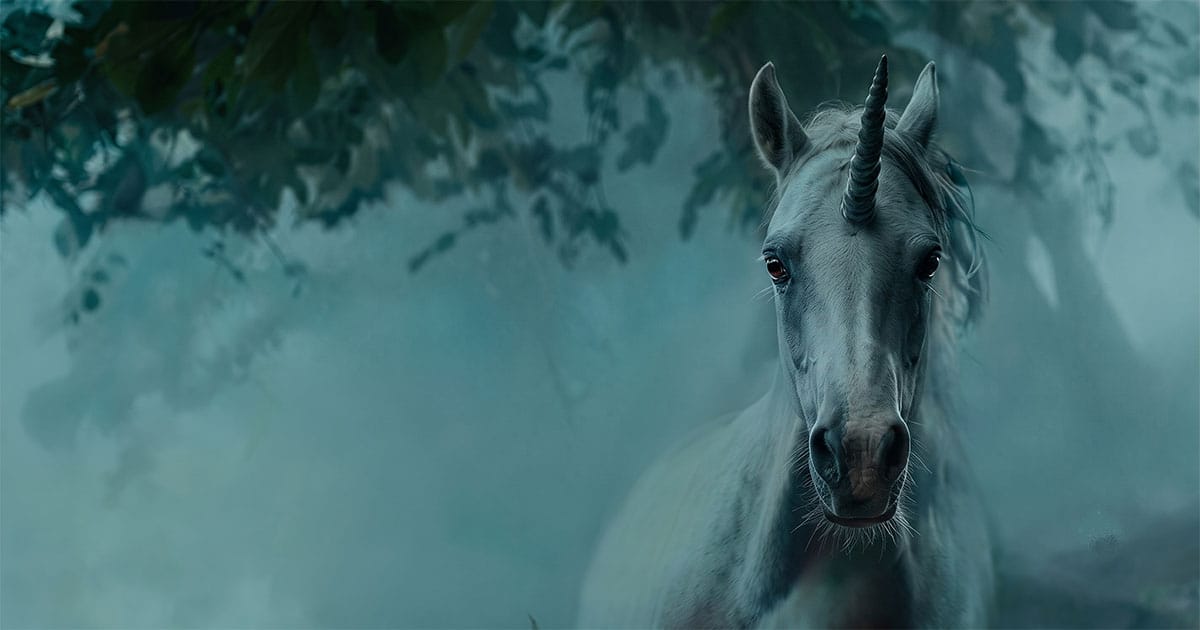
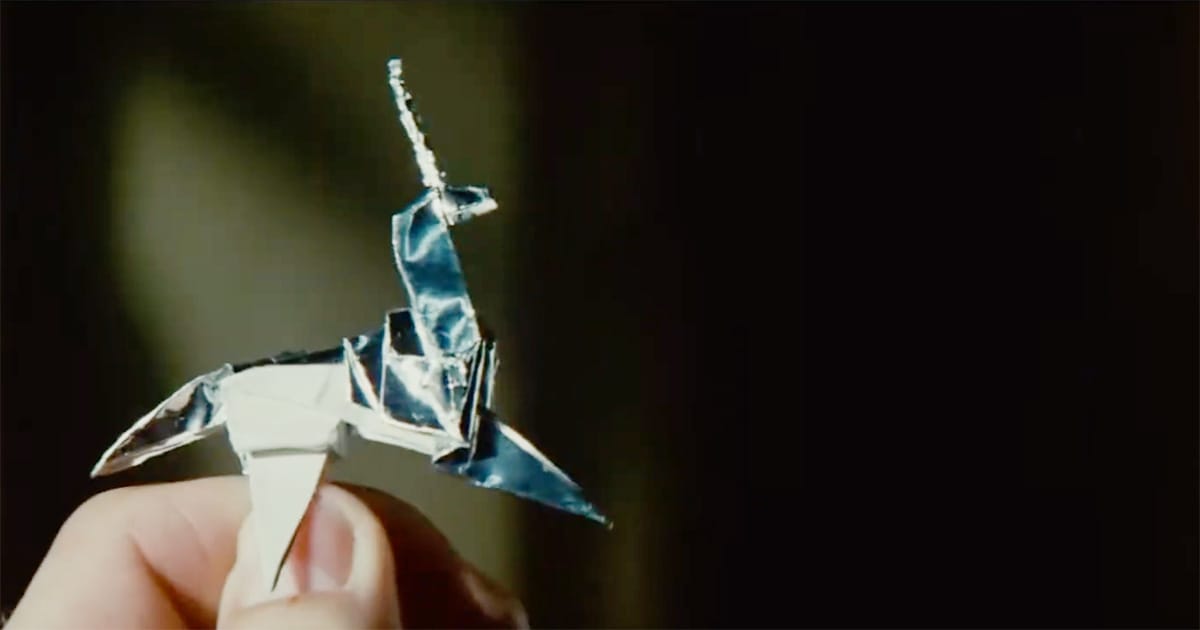
The unicorn, introduced through Deckard's dream in later versions of the film, serves a different purpose. It symbolizes memory, identity, and the possibility that even personal experiences may have been carefully constructed.
Why Animals Matter in "Blade Runner"
Animals are important in "Blade Runner" because they reveal the condition of the world long before the characters explain it. Their rarity tells the audience that humanity has damaged Earth's environment so severely that authentic wildlife has become an exceptional luxury. Their replacement by artificial creatures deepens the film's exploration of authenticity, empathy, and identity.
In the end, the scarcity of animals is far more than an interesting detail of the setting. It reminds viewers that civilization has not only learned how to manufacture life, but also how easily it can destroy the natural world that inspired those creations in the first place. That quiet tragedy gives even the briefest appearance of an animal lasting significance and strengthens one of the greatest themes in "Blade Runner" about the value of life itself.