
When Science Fiction Believed in the Future
Classic science fiction once imagined a future worth building. From Heinlein to "Star Trek," these stories valued courage, competence, exploration, and human progress.

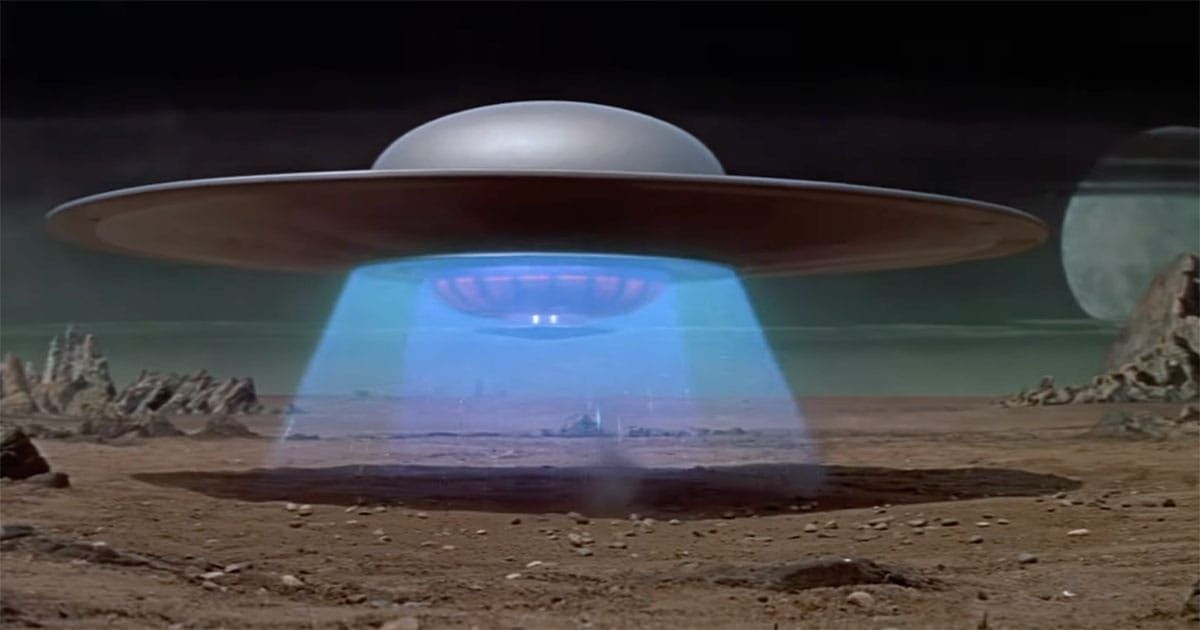
There was a time when science fiction looked toward the future and saw somewhere worth going. The road might be dangerous, the machines might break, and the aliens might be unfriendly, but mankind was still expected to pack his bags and make the trip.
Much of the genre carried this confidence almost without thinking about it. Stories by Robert A. Heinlein, Isaac Asimov, and Arthur C. Clarke assumed that human beings would continue to invent, explore, build, and occasionally make spectacular mistakes. The mistakes mattered, but they rarely invalidated the entire enterprise.
That attitude can seem almost strange today. Modern science fiction frequently gives us futures defined by ruined cities, oppressive governments, environmental collapse, murderous machines, or corporations that apparently employ everyone except a competent safety inspector.
Older stories certainly had their nightmares. What distinguished many of them was the belief that a nightmare was something to overcome rather than mankind's inevitable destination.
The Future as a Frontier
The future once occupied the same imaginative territory that the American frontier had occupied a century earlier. It was unknown, dangerous, and full of possibilities. Space was not merely empty darkness but territory waiting for explorers.
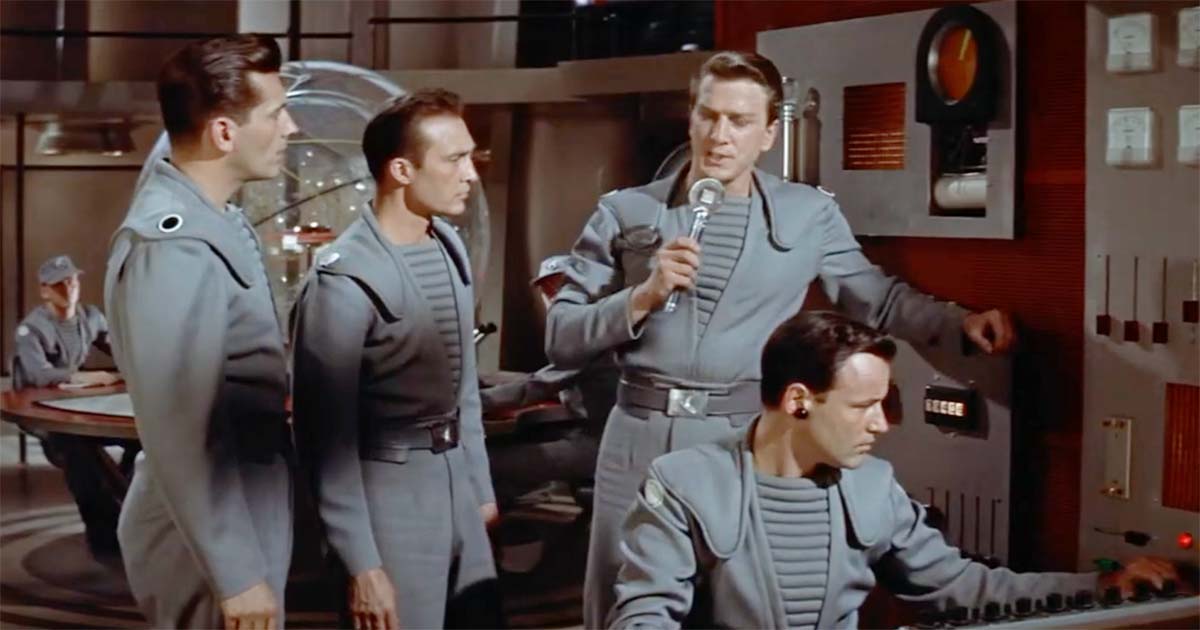
"Forbidden Planet" (1956) captures this spirit beautifully. Commander Adams and his crew travel to Altair IV aboard a faster-than-light spacecraft, and the remarkable thing is how ordinary the achievement seems to them. Crossing interstellar space is their job.
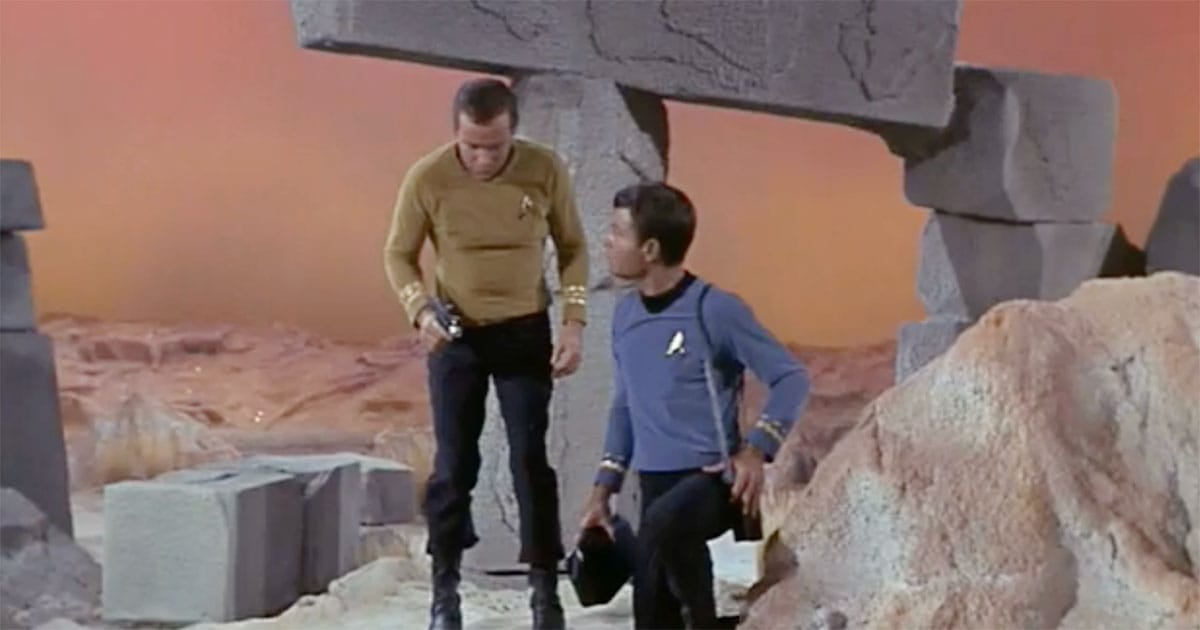
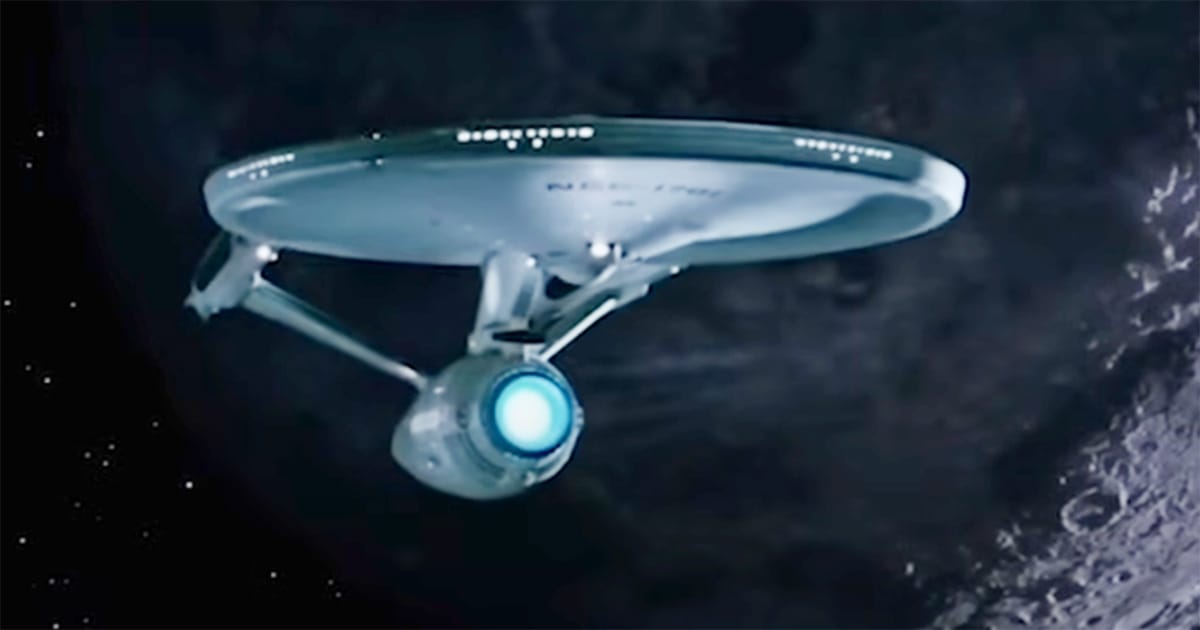
Early "Star Trek" carried the same confidence into American living rooms. The Enterprise encounters hostile aliens, strange worlds, deadly machines, and civilizations with unpleasant habits, yet Captain Kirk never concludes that humanity should have stayed home. Exploration remains worthwhile because danger is part of exploration.
Heinlein approached the future in much the same fashion. Whether he was writing about the Moon, Mars, military service, or political upheaval, his characters usually inhabited a universe in which people still had things to build. Civilization was unfinished business.
This did not make the stories childish. The frontier could kill a careless man, and technological civilization demanded responsibility. Optimism meant believing problems could be solved, not pretending problems did not exist.
Competence Was Heroic
Another striking feature of older science fiction was its unusual kind of hero. He often knew how things worked.
Engineers, pilots, scientists, astronauts, soldiers, technicians, and mechanics filled these stories. Their competence was not incidental characterization. Knowing how to repair a reactor, calculate an orbit, organize a crew, or recognize a bad idea before it became a catastrophe could determine whether anyone survived to see the final page.
This helps explain why so much older science fiction still feels satisfying. Its heroes frequently earn their victories through discipline and judgment. Courage matters, but courage accompanied by technical knowledge matters more.
Heinlein was particularly fond of capable characters. His protagonists often believed that an educated man should understand the physical world around him and accept responsibility for his decisions. The universe did not rearrange itself around their feelings.
"Star Trek" followed the same pattern. Kirk might command the Enterprise, but Scotty kept it running, Spock supplied reason, and McCoy supplied an understanding of human beings that pure logic sometimes missed. Civilization advanced because different forms of competence worked together.
There is something reassuring about this view of humanity. Man is imperfect, but he is teachable. Given enough knowledge, courage, and good sense, he might even fix the engine before the planet explodes.
Technology Was a Tool, Not a Destiny
The old masters were never uniformly enthusiastic about technology. In fact, some of their best stories warned about technological power. The important distinction was that technology usually remained a human problem.
Isaac Asimov's robot stories provide an obvious example. His famous Three Laws of Robotics appear to offer a neat technological solution to the problem of artificial intelligence. Then the stories begin demonstrating how complicated those rules become when machines encounter the contradictions of human behavior.
The machines are interesting, but the human questions are more important. Who bears responsibility for a machine's actions? Can logic account for every circumstance? What happens when human beings create systems they do not fully understand?
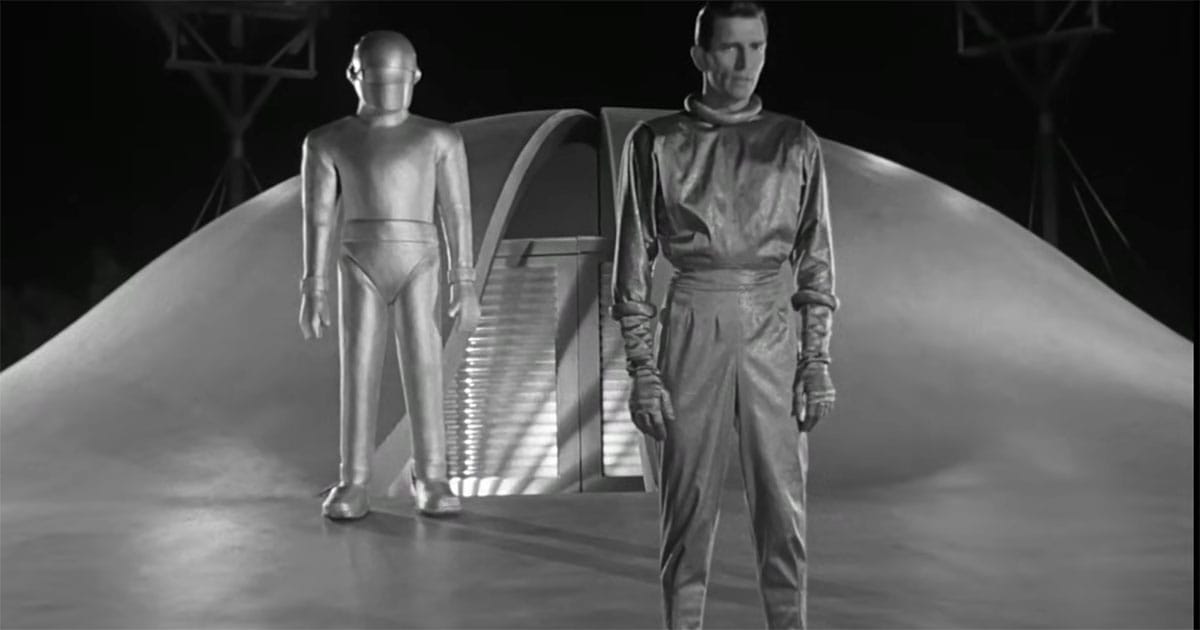
"The Day the Earth Stood Still" (1951) presents an even sterner warning. Advanced technology has given Klaatu's civilization tremendous power, but technological superiority has not eliminated moral responsibility. Power still requires restraint.
That distinction matters. A nuclear reactor can illuminate a city or contribute to its destruction. The machine does not settle the moral question.
Many of these stories understood that progress required character as well as machinery. Better tools could expand human possibilities, but they could not make foolish men wise or wicked men good.

When the Future Turned Dark
Over time, science fiction became more suspicious of the future it had once anticipated. There were understandable reasons.
The atomic bomb revealed that scientific progress could threaten civilization as easily as protect it. The Cold War introduced the possibility that political miscalculation could end human history in an afternoon. Environmental concerns, political scandals, economic uncertainty, and distrust of large institutions supplied additional fuel.
Writers responded accordingly. Dystopias became darker, corporations became more sinister, governments became more oppressive, and machines became less cooperative.
These developments produced excellent stories. "Planet of the Apes" (1968) would lose much of its force without its bleak judgment of human folly. Later films like "Alien" (1979) and "Blade Runner" (1982) found tremendous dramatic power in futures where technological sophistication had not produced happier human beings.
The problem arrives when warning becomes assumption. If every future government is corrupt, every corporation is evil, every invention is dangerous, and every city is collapsing, pessimism stops being provocative. It becomes scenery.
A dystopia works because readers understand what has been lost. Without some belief that civilization can be good, its destruction carries less weight.
A Future Worth Wanting Again
The great virtue of optimistic science fiction was never that it predicted a perfect world. It was that it believed civilization remained worth the trouble.
Human beings would make mistakes. They would build dangerous machines, elect fools, misunderstand aliens, push buttons they had specifically been told not to push, and occasionally discover that the mysterious planet was mysterious for a very good reason.
Yet mankind could also learn. Men could master difficult skills, accept responsibility, explore dangerous places, establish new communities, and pass knowledge to the next generation. Progress remained possible because human beings remained capable of choosing it.
That is why the confidence of those earlier stories still has power. Their futures often contained dangers greater than anything we face today, but those dangers rarely reduced humanity to helpless spectators.
The old stories looked into the darkness and saw room for another voyage. Science fiction may benefit from recovering some of that confidence, because the future becomes much more interesting when someone believes it is worth building.