
When Science Fiction Learned to Destroy the World
"Deluge" (1933) helped pioneer the science-fiction disaster movie. This week, we look at its legacy, ruined cities, classic effects, and the films that followed.

This Week in Classic Science Fiction
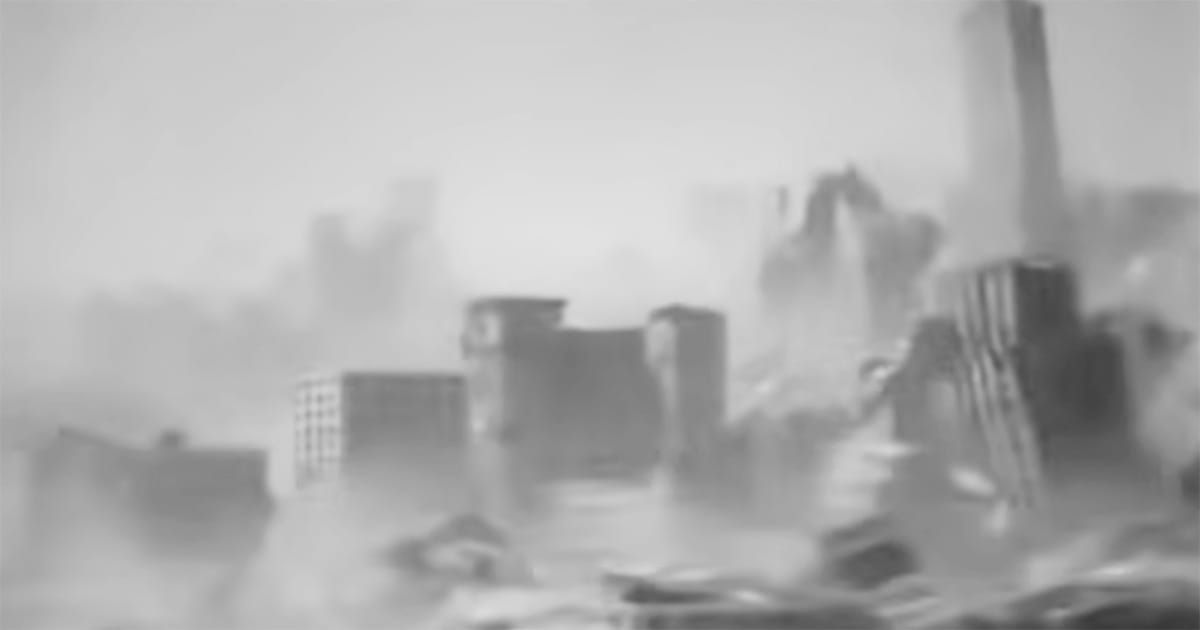
On Aug. 18, 1933, American moviegoers got an early look at something science fiction would become very good at doing. "Deluge" destroyed New York City.
Directed by Felix E. Feist, "Deluge" begins as scientists recognize that a worldwide catastrophe is approaching. Earthquakes devastate the United States, and enormous waves sweep across the land, leaving survivors to rebuild after civilization has collapsed.
The spectacle was remarkable for 1933. Using miniatures and special effects, the filmmakers showed skyscrapers collapsing and floodwaters overwhelming New York decades before the destruction of major cities became commonplace in science fiction. "Deluge" helped establish a familiar formula in which the end of civilization provides both the spectacle and the beginning of a new story.
For years, however, few science fiction fans had a chance to see it. "Deluge" virtually disappeared from circulation and was considered lost until surviving material eventually surfaced, leading to a modern restoration.
Today's audiences have watched aliens, monsters, asteroids, and natural disasters flatten countless cities. "Deluge" reminds us that Hollywood was already discovering the appeal of destroying the world in 1933.
Sponsored by: The Pilot Beneath the Twin Moons Sci-Fi T-shirt
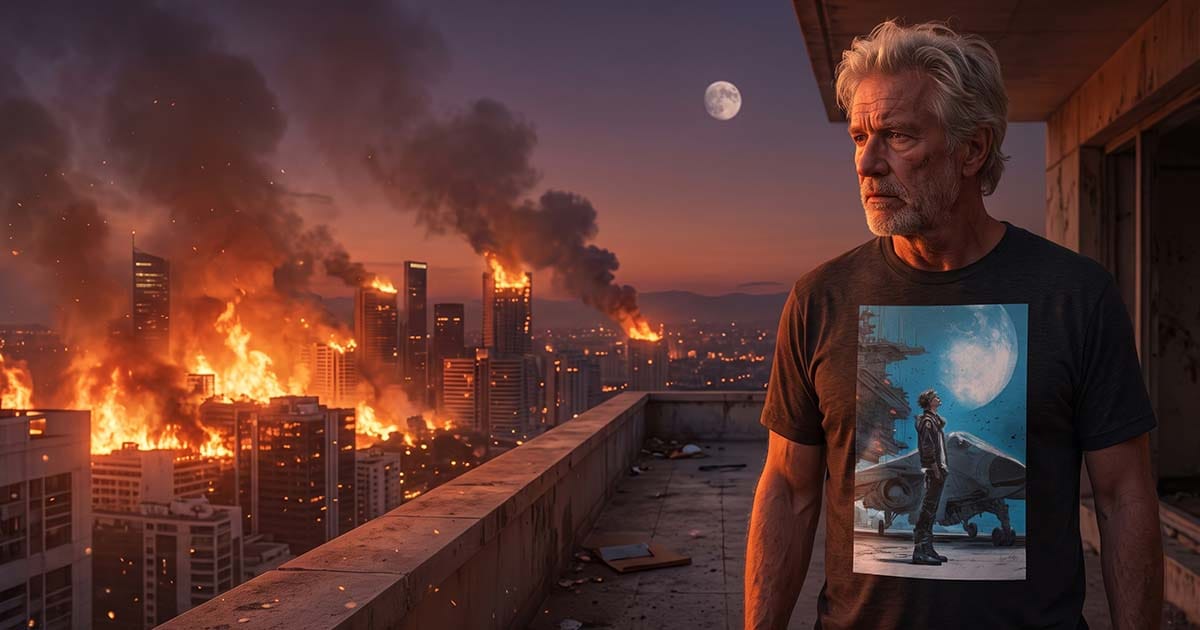
When the city is burning, a good science fiction hero doesn't spend much time admiring the view. "The Pilot Beneath the Twin Moons" T-shirt celebrates the pilots, battered spacecraft, distant worlds, and impossible missions that made military science fiction a classic part of the genre.
When Science Fiction Started Destroying Cities
When "Independence Day" (1996) destroyed the White House, audiences immediately understood what the filmmakers were telling them. This was no ordinary alien attack, and if one of America's most recognizable buildings could disappear in seconds, nowhere was safe.
Hollywood had discovered that trick more than 60 years earlier. "Deluge" (1933) showed earthquakes and enormous waves overwhelming New York City, proving that destroying a familiar place could make an imaginary catastrophe seem immediate and real.
"Deluge" arrived long before computer effects and modern summer blockbusters. Yet it helped establish a visual idea that science fiction filmmakers would return to for decades, because showing the destruction of civilization was often more powerful than merely describing it.

The 1950s Find New Ways to Destroy Us
The filmmakers of the 1950s inherited that idea and found considerably more imaginative ways to bring down civilization. "When Worlds Collide" (1951) threatened Earth with a wandering star and planet, while earthquakes, fires, and floods accompanied the approaching catastrophe.
"The War of the Worlds" (1953) replaced natural disaster with Martian firepower. Alien war machines tore through man's defenses while Los Angeles came under attack, and the film's spectacular destruction helped earn it an Academy Award for special effects.
Then came "Earth vs. the Flying Saucers" (1956), which sent alien spacecraft crashing into Washington landmarks, including the Capitol. The filmmakers did not need a long speech to explain the magnitude of the invasion because audiences could see it for themselves.
Science fiction had developed a useful collection of wrecking crews. Aliens, atomic monsters, runaway planets, radiation, and misguided experiments could all threaten the modern city, while the cause changed from movie to movie and the buildings kept coming down.
Why Famous Places Make Better Targets
There is a reason science fiction filmmakers usually destroy recognizable cities instead of anonymous collections of buildings. Famous places already carry meaning, so the audience understands immediately what is at stake.
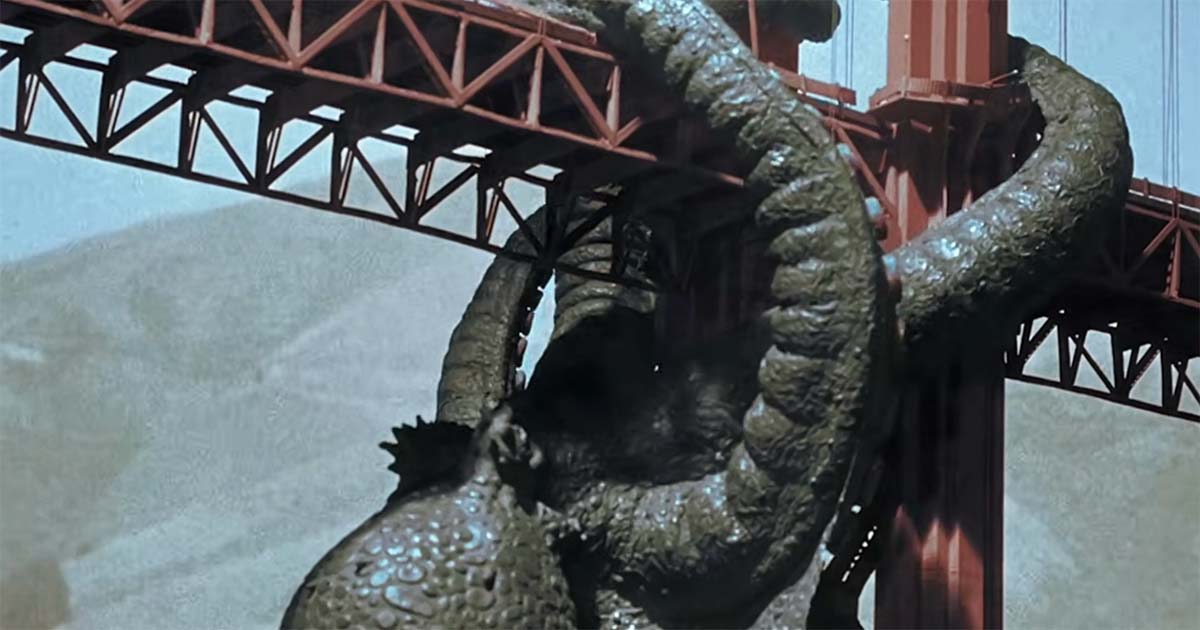
Washington represents national government and military power. New York suggests commerce, population, and modern urban life, while San Francisco has a skyline and landmarks that can establish the location almost instantly.
Destroying a landmark also provides a useful sense of scale. A filmmaker can tell us that millions of people are threatened. Still, numbers remain abstract, while the sight of the Capitol crushed by a flying saucer communicates danger in a single image.
The technique became part of science fiction's visual vocabulary. When filmmakers wanted to show that a monster, alien invasion, or natural catastrophe had become a threat to civilization itself, familiar buildings often paid the price.
The Men Who Destroyed the World
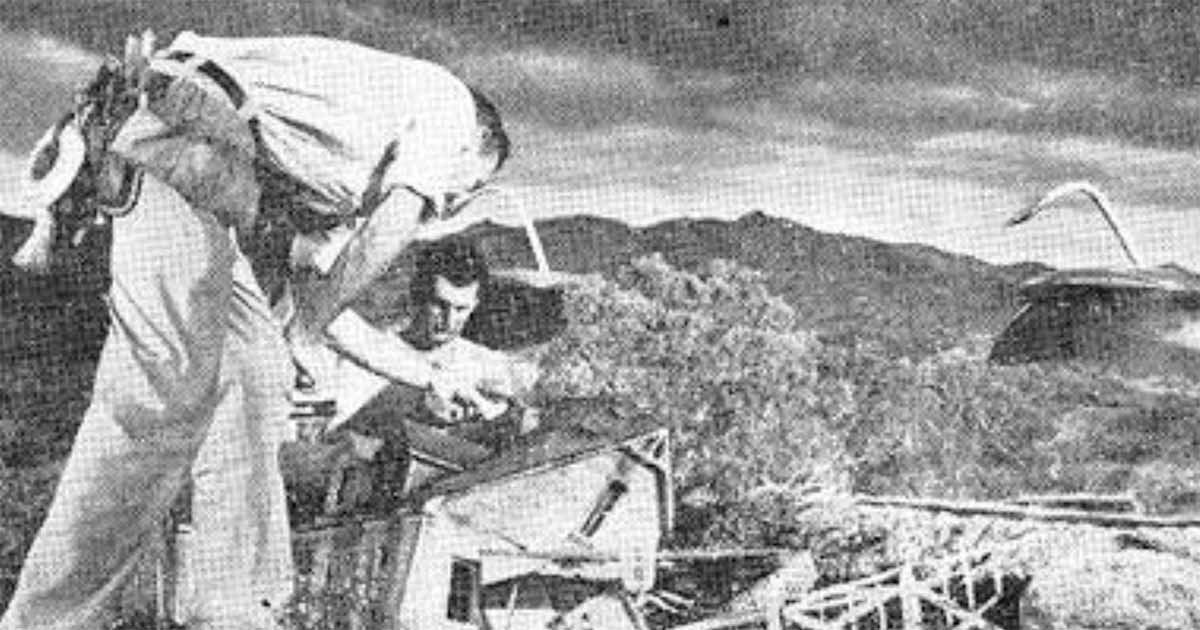
Long before computers made it possible to flatten entire cities, special-effects artists had to build something before they could destroy it. Miniatures, matte paintings, rear projection, optical effects, and carefully controlled explosions created disasters that could never have been staged at full scale.
That work demanded patience and craftsmanship. Ray Harryhausen used stop-motion animation to send flying saucers into Washington in "Earth vs. the Flying Saucers," while George Pal's productions combined miniatures and photographic effects to make cosmic disaster and alien warfare convincing in "When Worlds Collide" and "The War of the Worlds."
There was an obvious irony in the process. Artists might spend days or weeks constructing a detailed miniature so audiences could enjoy watching it get demolished in a few seconds.
The tools improved steadily through the following decades. Better models, compositing, photography, and eventually digital effects allowed filmmakers to make destruction larger and more convincing, but the basic visual trick remained the same.
By the time "Independence Day" arrived, Hollywood could stage devastation on a scale the makers of "Deluge" could hardly have imagined. The technology had changed enormously, while the audience's fascination with watching a familiar world fall apart had not.
After the Buildings Fall
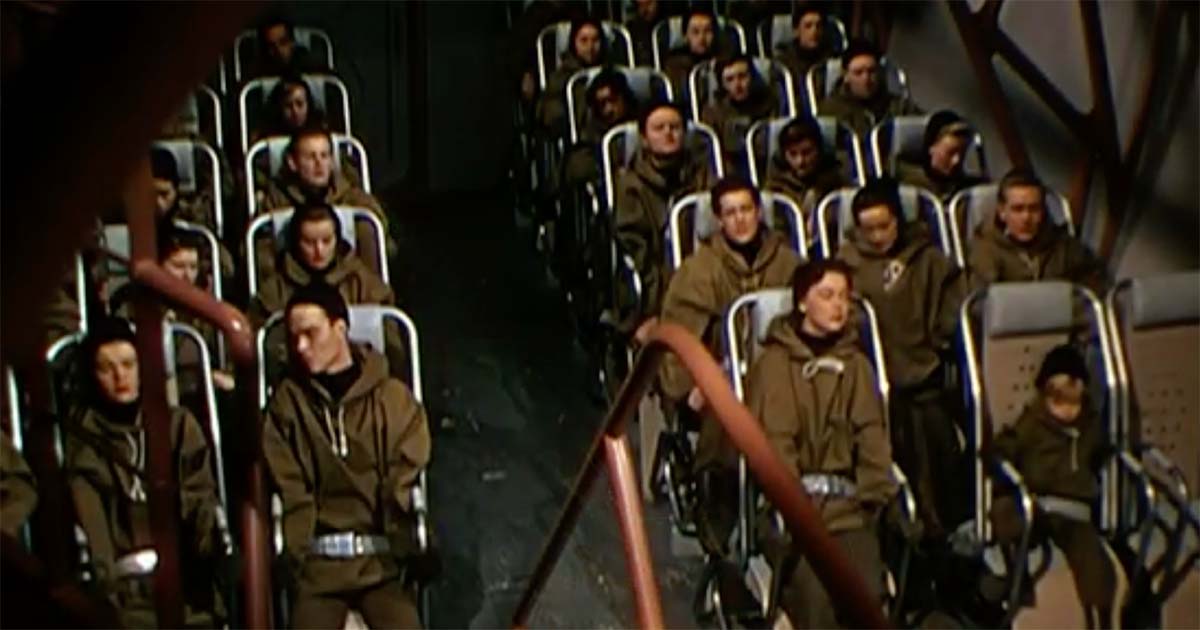
The best science fiction disasters do more than provide an excuse for impressive special effects. Once civilization has been damaged or destroyed, ordinary life disappears with it, and the characters must decide what still matters.
Money, careers, possessions, and social position suddenly become less important. Survival, courage, loyalty, sacrifice, and responsibility move to the front because catastrophe strips characters down to the choices that reveal who they are.
"When Worlds Collide" makes this especially clear. Humanity cannot save the Earth, so a desperate project attempts to send a small group of people to another world, turning destruction into a larger question about what deserves to survive.
That is why ruined cities have remained useful to science fiction for so long. The spectacle gets our attention, while the aftermath gives the spectacle meaning and gives the story somewhere deeper to go.
"Deluge" was already working with that idea in 1933, and later filmmakers found countless new ways to end the world. The enduring question is not simply how civilization falls, but what people choose to do after the dust settles.
"Deluge" Trivia
- The miniature New York set covered about 100 square feet, and eight cameras filmed its destruction at once.
- "Deluge" was considered lost for decades until a 35mm English-language negative surfaced in France in 2016.
- The film moved the catastrophe from England in S. Fowler Wright's novel to New York City.