
Who Should Play Captain Kirk Next?
Star Trek: Next Kirk. There is only one William Shatner. For many fans, he is the only actor to play Captain Kirk, but if Paramount launched a search for “Star Trek: Next Kirk,” three names would rise to the top.

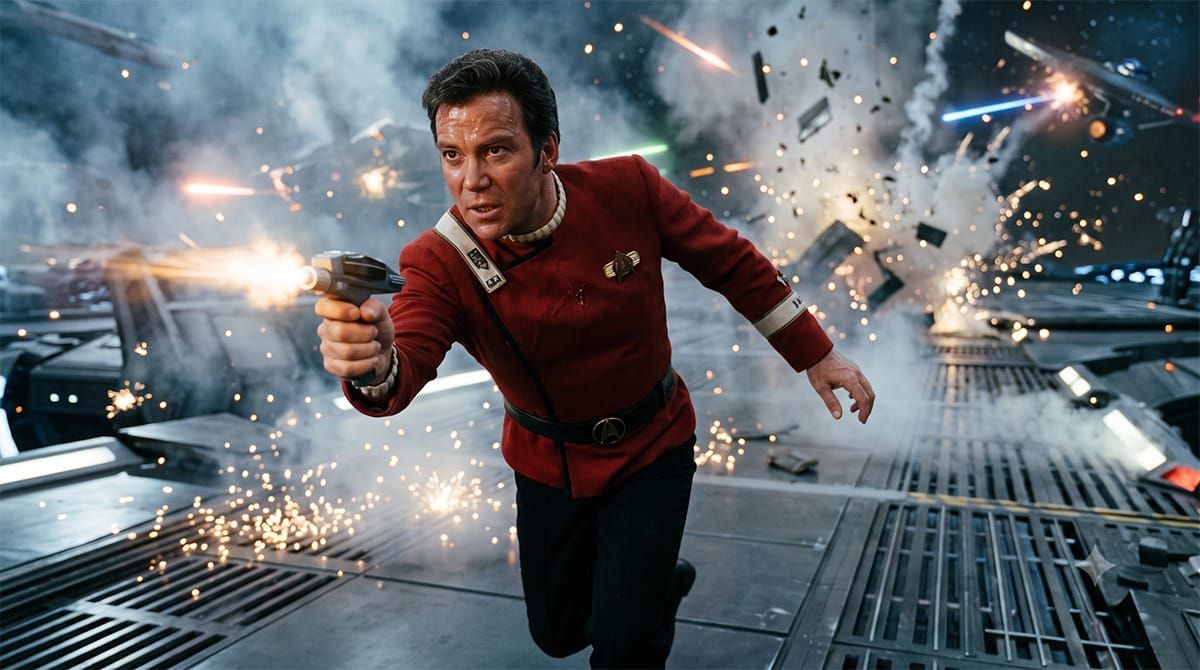
Star Trek belongs on the big screen.
That should not be a controversial sentence. The franchise has given moviegoers “The Wrath of Khan,” “The Search for Spock,” “The Voyage Home,” “The Undiscovered Country,” and the 2009 “Star Trek” reboot.
These were not always perfect films, but they understood scale.
- They put the Enterprise in danger.
- They gave the crew a mission.
- They asked moral questions in the middle of adventure.
Paramount has spent too many years treating Star Trek like low-grade streaming inventory.
Being Critical
The result has been uneven at best and miserable at worst.“Star Trek: Section 31” was not a bold new chapter. It was a forgettable side mission built around the wrong instincts. It tried to make Star Trek darker, slicker, and more secretive, which is another way of saying it did not trust Star Trek to be Star Trek.
The movie was received poorly, with Rotten Tomatoes listing it at 24 percent from critics and 15 percent from audiences at the time of this writing.
Then came “Star Trek: Starfleet Academy,” one of the worst ideas in modern science fiction television and, somehow, worse in execution, according to fans and critics alike.
The problem was not merely that it was aimed at a younger audience. The problem was that it took a franchise built around exploration, maturity, command, reason, and sacrifice, and turned it into a high school drama with Star Trek labels pasted on. It was less “The Original Series” and more a very expensive school hallway with warp engines.
Fans noticed. Critics and audiences split sharply over the series, and later reports said the show would end after its already approved second season. That made “Starfleet Academy” the shortest-lived live-action Star Trek series to date, according to Space.com’s industry summary.
The Critical Drinker captured the mood in his usual blunt way. Reviewing the first episode, he opened with the lament, “Oh, Star Trek, my old friend, what have they done to you?” His complaint was not just that the show was bad. It was that the old franchise had been twisted into something unrecognizable.
Nerdrotic’s Gary Buechler was even harsher. He argued that “Star Trek will not recover from this,” and the Geeks and Gamers summary of his criticism described “Starfleet Academy” as the “final blow” to the franchise's current era. Buechler’s proposed answer was drastic. Clear away the Kurtzman-era approach and move closer to the franchise’s older strengths.
Original Strength
That may sound severe, but the instinct is right. Star Trek does not need another secret police spinoff, another gloomy detour, or another attempt to chase a young audience that does not seem to be waiting at the airlock. It needs the Enterprise. It needs strange worlds. It needs a crew worth following. Most of all, it needs a captain.
Kirk is not just a uniform, a smirk, or a dramatic pause. He is the man in the chair when the shields fail, the engines are down, and a green-blooded science officer is explaining that the odds are bad. Kirk needs courage, confidence, humor, physical energy, moral seriousness, and enough rule-breaking nerve to win when the rule book has run out of answers.
Admittedly, some of this is happening in “Star Trek: Strange New Worlds,” but if Paramount wants Star Trek to feel like Star Trek again, it should start with Kirk, and possibly another big-screen reboot.
Who Can Play Kirk?
There is only one William Shatner. For many fans, he is the only actor to play Captain Kirk, but if Paramount launched a search for “Star Trek: Next Kirk,” three names would rise to the top.
- Chris Pine should return if Paramount wants closure.
- Paul Wesley should lead if Paramount wants continuity.
- Glen Powell should take the chair if Paramount wants a clean, big-screen relaunch.
Chris Pine
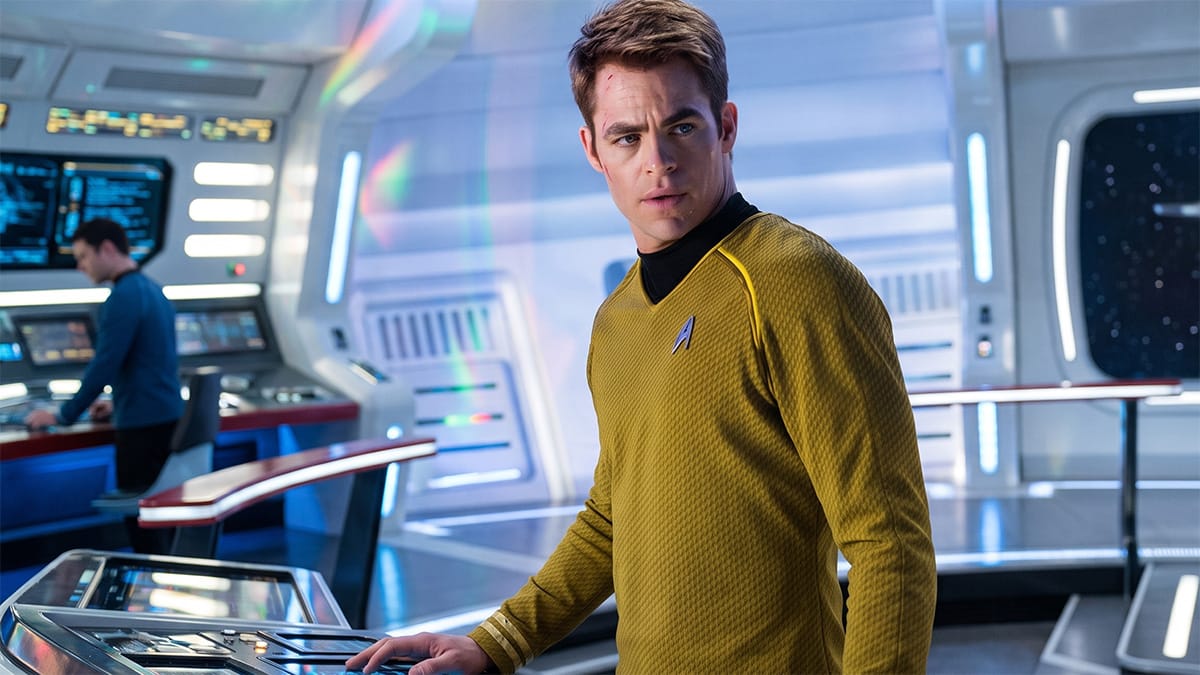
Chris Pine is the practical choice because he has already done the hardest thing. He played Captain Kirk after William Shatner and survived the comparison.
That is no small accomplishment. Pine stepped into the role in J.J. Abrams’ 2009 “Star Trek,” opposite Zachary Quinto as Spock and Karl Urban as Dr. McCoy. The movie reintroduced Kirk as a reckless young man who had to grow into command, and Pine gave the part enough charm and force to make that premise work.
Pine’s Kirk was not Shatner’s Kirk. He was not supposed to be. He was younger, angrier, and less disciplined. He was the raw material of Kirk rather than the finished product. That gave the Kelvin films their basic arc. The boy who drove a stolen car off a cliff had to become the captain who could sit in the chair and carry the lives of his crew.
The problem is that the arc never received a proper ending.
“Star Trek Beyond” gave the Kelvin crew its best ensemble outing, but it did not close the book. Pine’s Kirk had matured, the Enterprise crew had settled into itself, and the film finally remembered that Star Trek works best when it is about loyalty under pressure. Then the film series simply stalled.
That is why Pine remains the most fan-pleasing choice if Paramount wants closure. Bring him back. Bring back Quinto, Urban, Zoe Saldaña, Simon Pegg, John Cho, and Sofia Boutella if the story allows it. Honor Anton Yelchin’s Chekov rather than trying to replace him casually. Then give the Kelvin crew one final mission.
The key is not to make Pine play the same Kirk from 2009. He should not be the bar-fighting young hothead again. He should be an older captain, a man who has learned that command is not swagger. It is responsibility.
That version of Pine’s Kirk could work beautifully. He has the history. He has the audience recognition. He has the unfinished story.
If Paramount wants to make peace with moviegoing fans, Chris Pine is the first call.
Paul Wesley
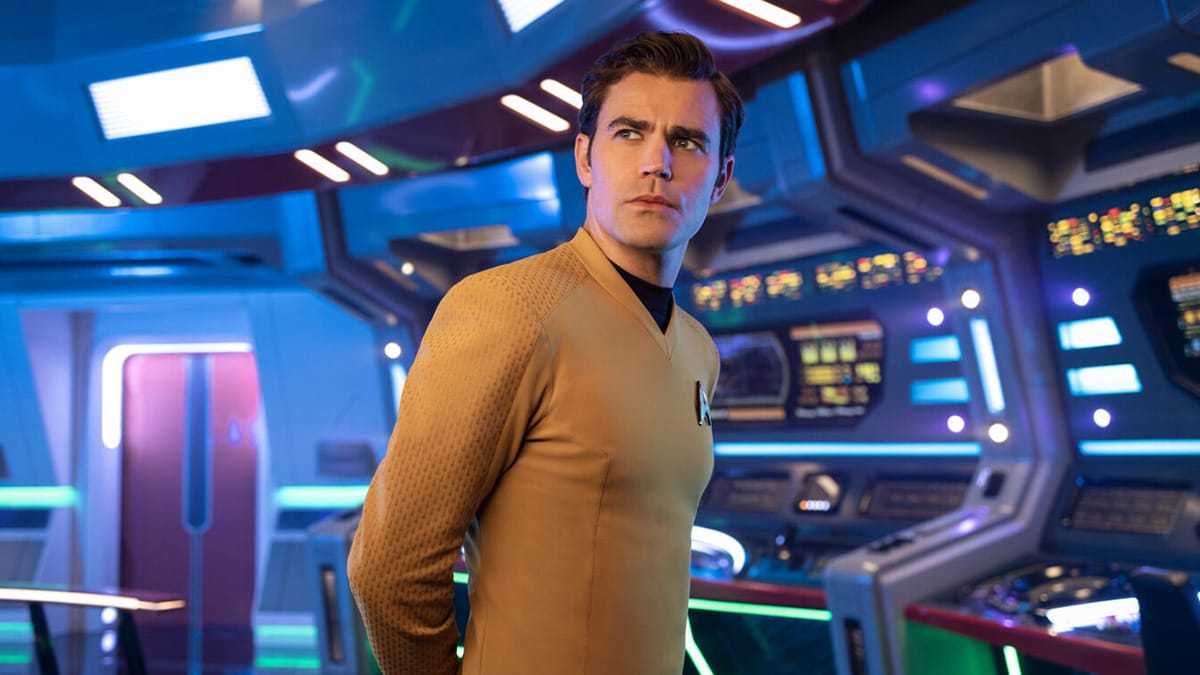
Paul Wesley is the continuity choice.
He already plays James T. Kirk in “Star Trek: Strange New Worlds,” which gives him the cleanest path from current television series to a theatrical relaunch. Paramount cast Wesley as Kirk for the show’s second season, putting him in direct contact with the modern series most openly connected to “The Original Series.”
That matters because “Strange New Worlds” has been the strongest modern argument that Paramount still remembers what Star Trek is supposed to be. It has Captain Pike. It has Spock. It has the Enterprise. It has episodic adventure. It has at least some sense that space should be wondrous, dangerous, and morally interesting.
Wesley benefits from that setting. He does not have to carry the whole franchise by himself at once. He can grow into Kirk in a world where the audience already understands the timeline and the stakes.
His great advantage is that he can play Kirk before the legend hardens. He does not need to imitate Shatner. He does not need to imitate Pine. He can play the young officer who is almost Kirk, but not yet the man fans meet in “The Original Series.”That gives a film real dramatic potential. A “Strange New Worlds” movie could show Kirk taking command in a definitive way. Not as a cameo. Not as a knowing wink. Not as another piece of continuity trivia. The story could put him in a crisis where he earns the chair.
Wesley is not the most obvious movie-star pick. That is the concern. A new Star Trek film needs a lead who can pull casual viewers back into theaters, and Wesley’s current claim to the role comes from television. But if Paramount wants to build from what it already has, he is the logical choice.
The case for Wesley is simple. Do not reboot again, per se. Do not abandon the one modern live-action Trek setting with a real connection to the classic formula. Let “Strange New Worlds” lead to the big screen, and let Wesley’s Kirk become the captain in full.
If Paramount wants continuity, Paul Wesley is the man.
Glen Powell
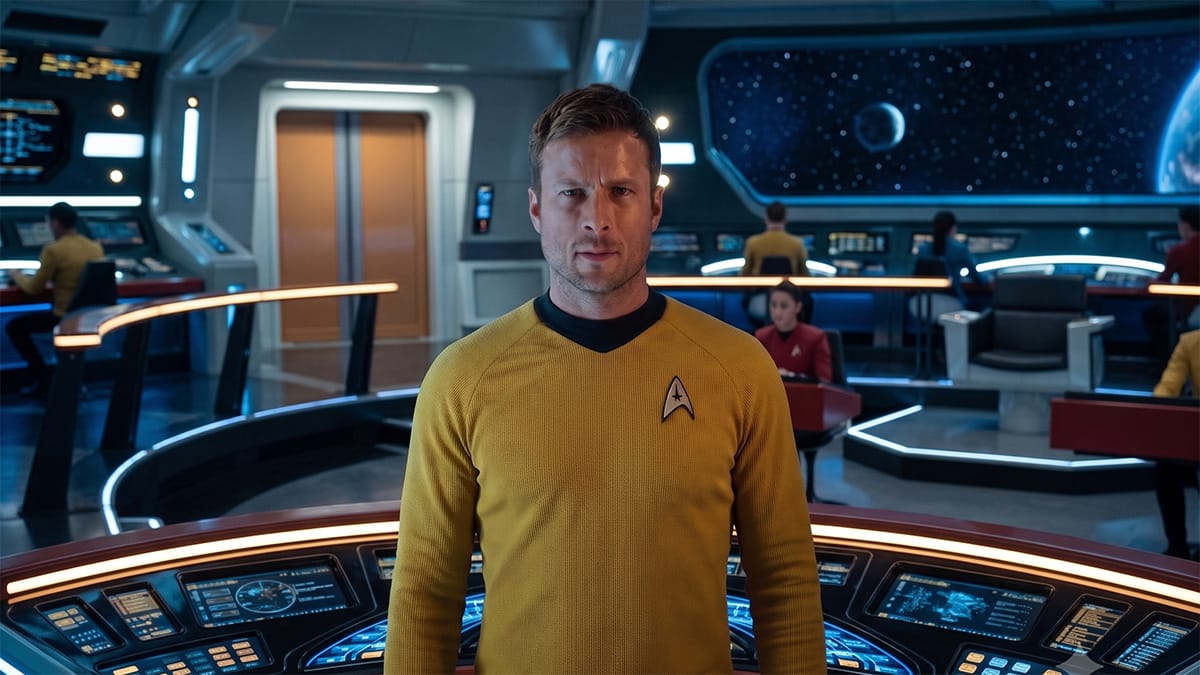
Glen Powell is the clean relaunch choice.
He has not played Kirk. That is part of the appeal. He carries no Kelvin baggage and no streaming continuity. Paramount could build a new theatrical Star Trek around him without asking the audience to catch up on multiple series, timelines, cameos, or corporate apologies.
Powell also has the right kind of energy. “Top Gun: Maverick” showed that he can play a cocky pilot without disappearing beside Tom Cruise. “Twisters” showed that he can carry broad, old-fashioned popular entertainment. Recent profiles have described him as a rare modern actor with old-school movie-star appeal, and that matters for a franchise that badly needs to feel big again.
Kirk should feel like a man who belongs in command before he even takes the chair. Powell has that. He can smile, push, challenge, charm, and look like he enjoys danger a little too much. That is useful. Kirk was never a grim bureaucrat. He was a frontier captain with a philosopher’s streak and a boxer’s willingness to take the hit.
The danger is obvious. Powell cannot play Kirk as Hangman in space. He cannot lean too hard into the grin. Kirk is not merely a hotshot. He is a serious man who breaks rules when duty demands it, not because he finds them annoying.
Handled correctly, Powell could give Paramount what it has lacked for years. A new beginning.
- Put him on the Enterprise.
- Give him a Spock who can challenge him.
- Give him a McCoy who can needle him.
- Give him a mission with danger, humor, sacrifice, and a moral decision at the center.
- Then let Powell carry a theatrical Star Trek that does not require homework.
If Paramount wants a clean big-screen relaunch, Glen Powell may be the strongest new choice on the board.
Other Men for the Chair
Pine, Wesley, and Powell make the strongest cases, but Captain Kirk is too important to stop at three names. Paramount should cast a wide net. Some actors would bring authority. Some would bring humor. Some would make the part tougher, stranger, older, or more traditional.Not all of them should get the captain’s chair. But each one says something about what a new Kirk needs.
Jon Hamm
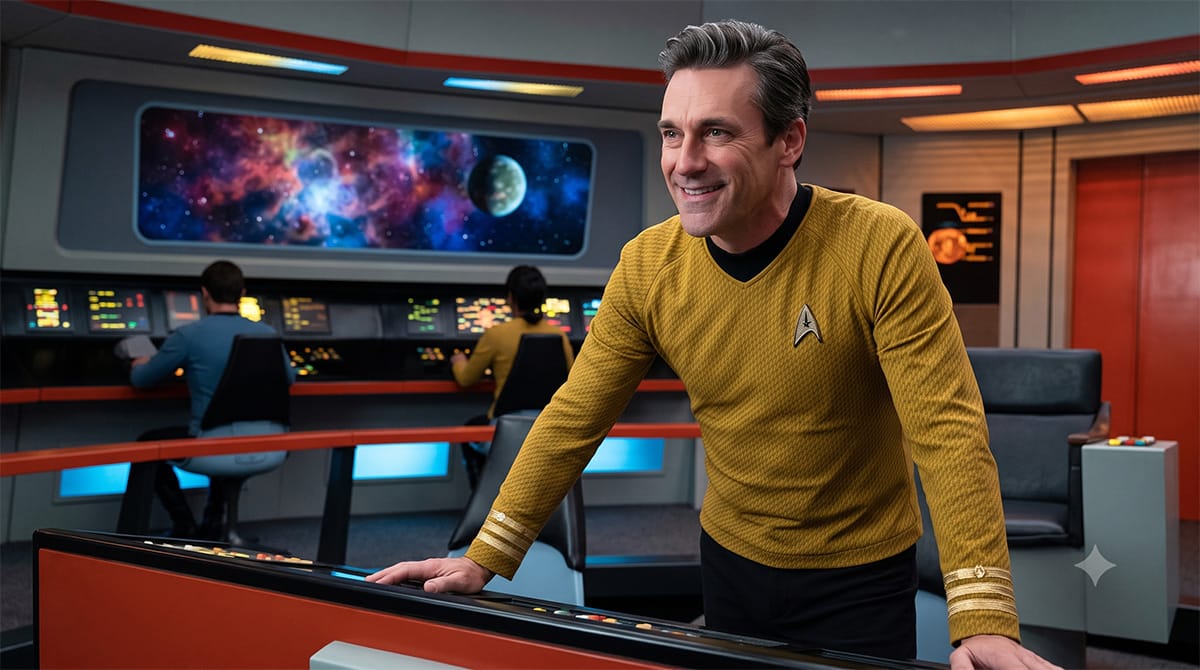
Jon Hamm would make the best older Kirk.
He has the voice, bearing, and mid-century masculine presence to play a captain who has already carried the burden of command.
This would be Kirk after the five-year mission. The hair is grayer. The jokes are drier. The losses are heavier. But the will is still there.
Hamm’s version of Kirk would work best in a serious film about age, duty, and whether an old captain still belongs on the frontier. That is a story Star Trek could tell well if Paramount had the nerve to slow down and let men act like men again.
Wes Chatham
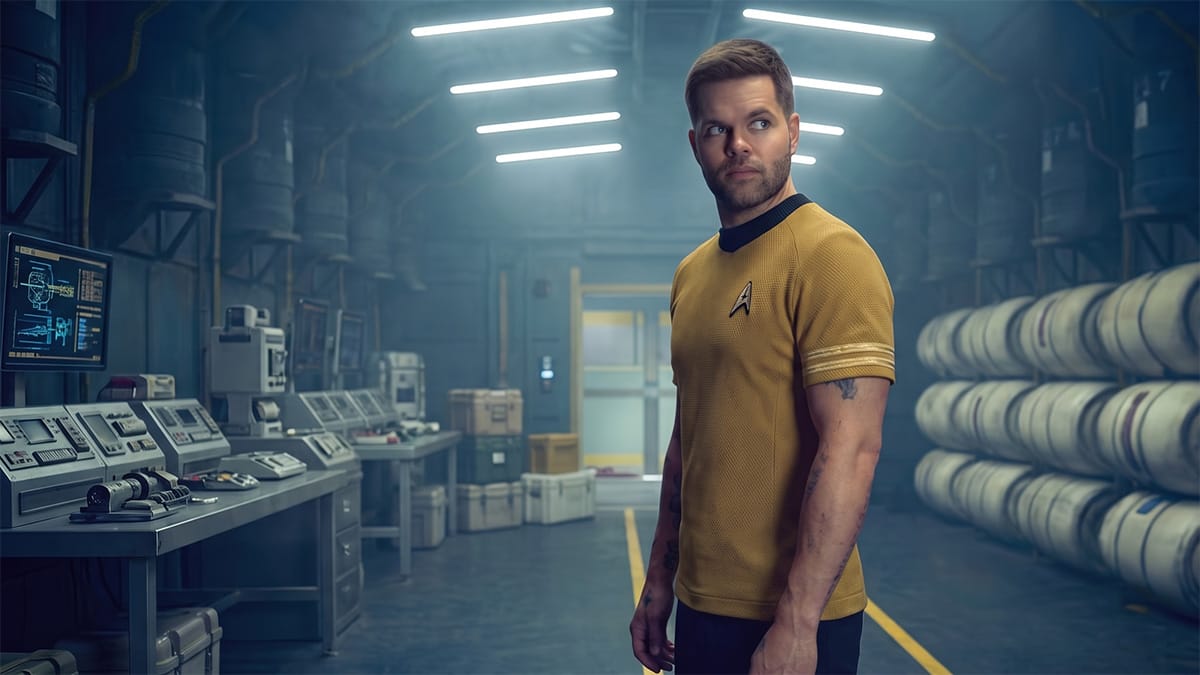
Wes Chatham is the hard-science-fiction pick.
He played Amos Burton on “The Expanse,” which gives him credibility with viewers who like space drama with grit, danger, and consequences. Chatham would not bring a polished, diplomatic Kirk. He would bring a tougher one.
That could work.
Kirk was charming, but he was not soft. He could talk, but he could also fight. He knew when to negotiate and when to hit the alien computer with everything the Enterprise had left.
Chatham would make Kirk feel like a frontier officer. He would be less cocktail-party captain and more man-who-has-seen-the-borderlands. If Paramount wanted a rougher, more dangerous Star Trek movie, he would be worth considering.
Chris Pratt
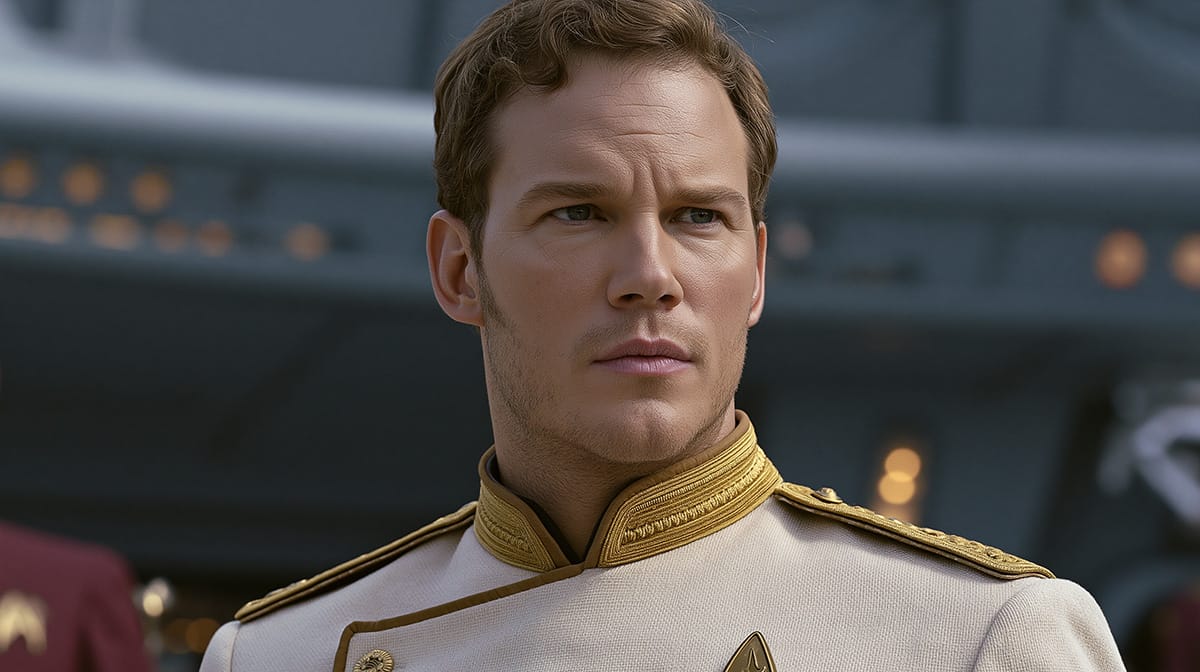
Chris Pratt is the populist space hero pick.
He has already played a charming rogue in space, and that is both the reason to consider him and the reason to worry. Audiences know him as Star-Lord from “Guardians of the Galaxy,” which gives him broad appeal, comic timing, and action credibility. But Kirk cannot feel like Peter Quill wearing a Starfleet badge.
The good version of this casting would lean into Pratt’s warmth and physicality while stripping away the goofiness. Kirk can be funny, but he cannot be unserious. He can be charming, but he cannot seem lazy.
Pratt would please casual moviegoers. He might worry hardcore fans. Still, in a lighter adventure film, he could work if the script made him a captain first and a quip machine never.
Mike Vogel
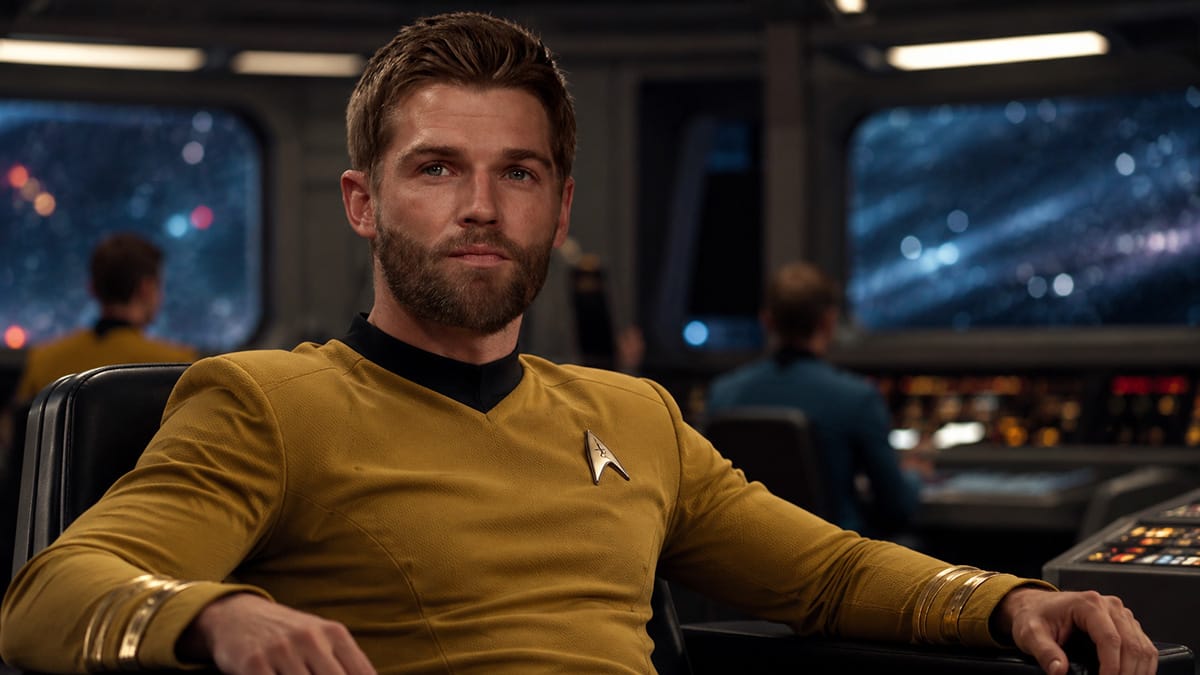
Mike Vogel has the right old-fashioned shape for Kirk.
He is square-jawed, straightforward, and recognizably American in the way a classic adventure hero should be. He may not have the same heat as Powell or the same built-in Trek connection as Pine and Wesley, but he has the clean outline of a man who could sit in the chair and mean it.
Vogel’s Kirk would not need to be flashy. He could be steady, sincere, and physically credible. That may not sound exciting in modern Hollywood, which is part of the point. Star Trek could use fewer neurotic heroes and more steady men with a job to do.
If Paramount wanted a less obvious choice who still felt traditional, Vogel deserves a look.
Patrick Wilson
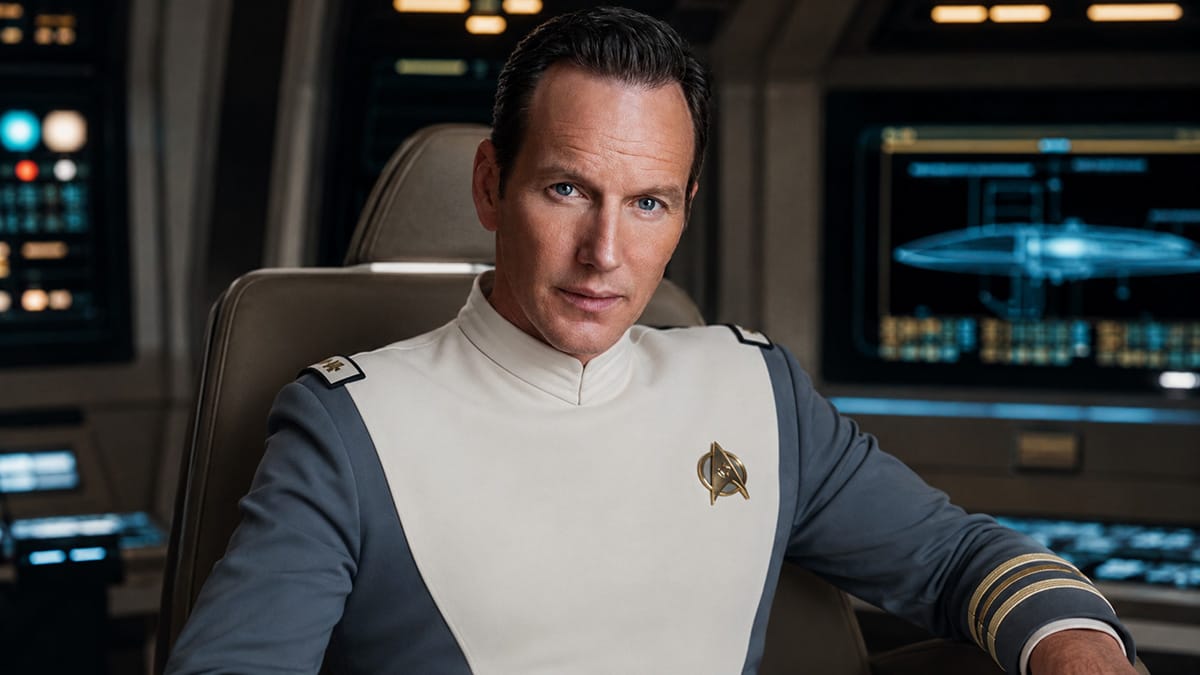
Patrick Wilson would bring polish.
He has the dramatic discipline to play Kirk as an officer rather than a rogue. That is not the usual emphasis, but it could be interesting. Wilson would likely give the role intelligence, restraint, and moral seriousness.
His Kirk would probably not be the youngest man in the room or the wildest. He would be a captain who understands command structure, believes in Starfleet, and then finds himself forced to make the one decision the admirals will not make.
That is a good Star Trek setup.
Wilson might not be the most fan-pleasing first choice, but he could anchor a more mature film. If the story is about Federation ideals under pressure, he could make Kirk feel like a man defending civilization rather than merely chasing adventure.
David Tennant
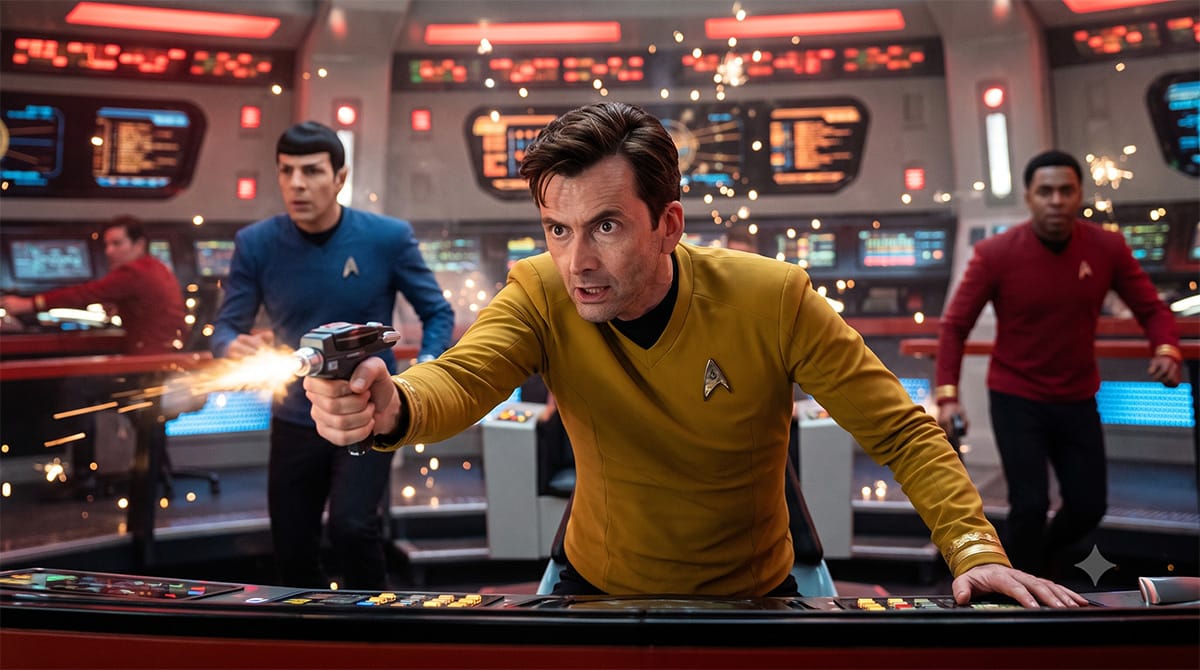
David Tennant is science fiction royalty, but he is probably not Captain Kirk.
That is not an insult. It is type. Tennant has speed, intelligence, wit, and strangeness. Those qualities made him a defining Doctor on “Doctor Who.” They would also make him a fascinating Star Trek guest star.
But Kirk needs a certain American command presence. Tennant reads more like a brilliant outsider, a dangerous diplomat, a rogue scientist, or a rival starship captain with a twelve-page argument prepared before breakfast.
Fans would pay attention if Tennant joined Star Trek. They should. Just do not give him Kirk. Give him someone who can challenge Kirk.
Miles Fisher
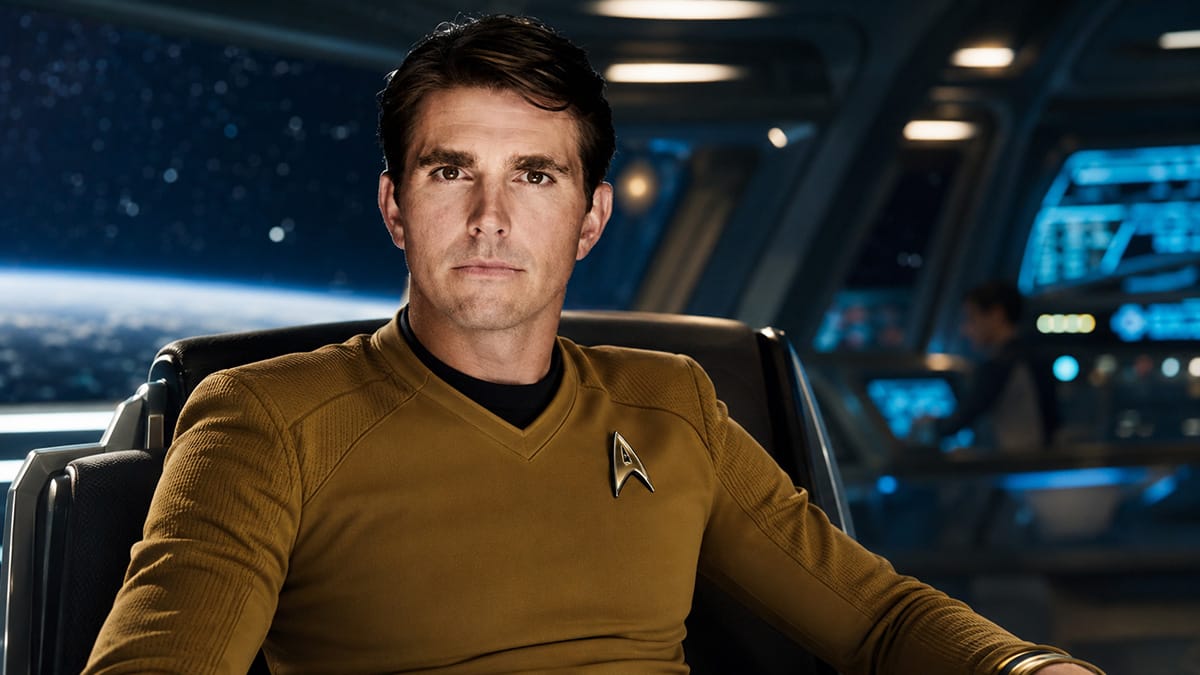
Miles Fisher is the retro wild card.
He has a face and performance style that can suggest old Hollywood, and he is known in part for parody and impersonation work. That makes him intriguing and dangerous.
A new Kirk cannot be an impression of William Shatner. Fans might enjoy the resemblance for five minutes, then turn on the movie by the second act. Star Trek needs a living character, not a museum display with better lighting.
Still, Fisher could work in a stylized project. If Paramount ever tried a deliberately retro “Original Series” film, complete with bright colors and 1960s optimism, he might be worth a screen test.
David Henrie
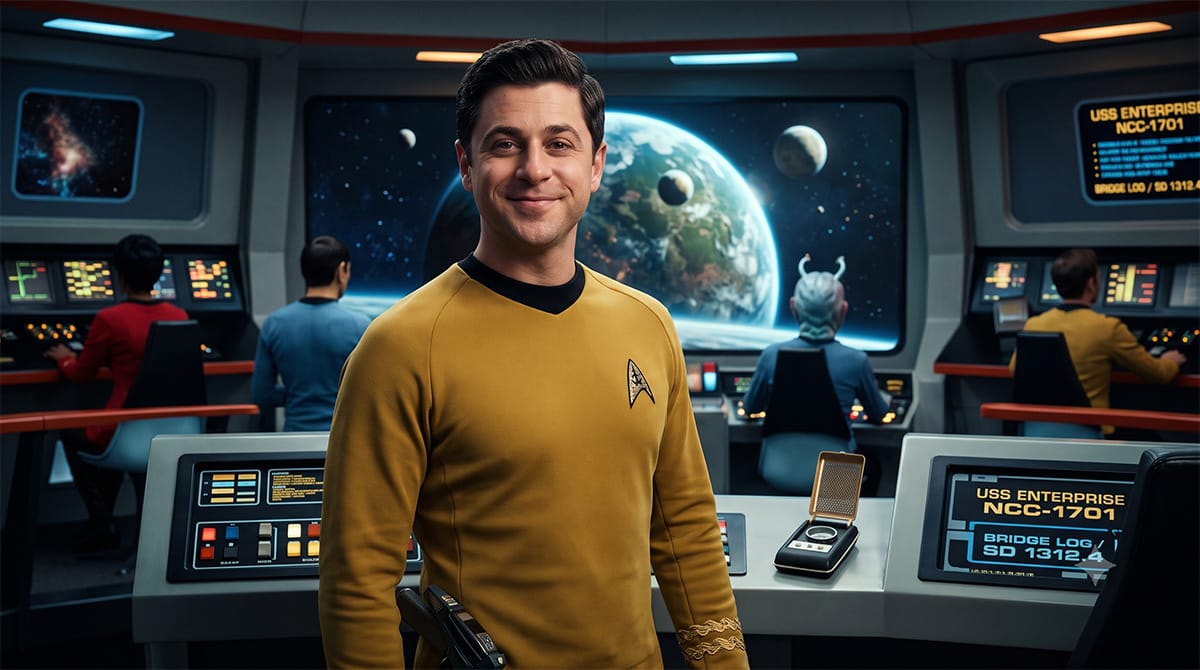
David Henrie would be the earnest younger Kirk.
He has a clean-cut, family-friendly quality, and his recent work in “Reagan” gives him a connection to the kind of audience that may be tired of cynical screen heroes. That could matter for Science Fiction Classics readers who want more virtue and less sneering in popular entertainment.
The challenge is command presence.
Kirk cannot feel like a cadet once he takes the bridge. Henrie might work in a younger Kirk story, especially one about formation, ambition, discipline, and duty. But for a full theatrical captain, he would need a strong script and a strong supporting cast.
Shane Harper
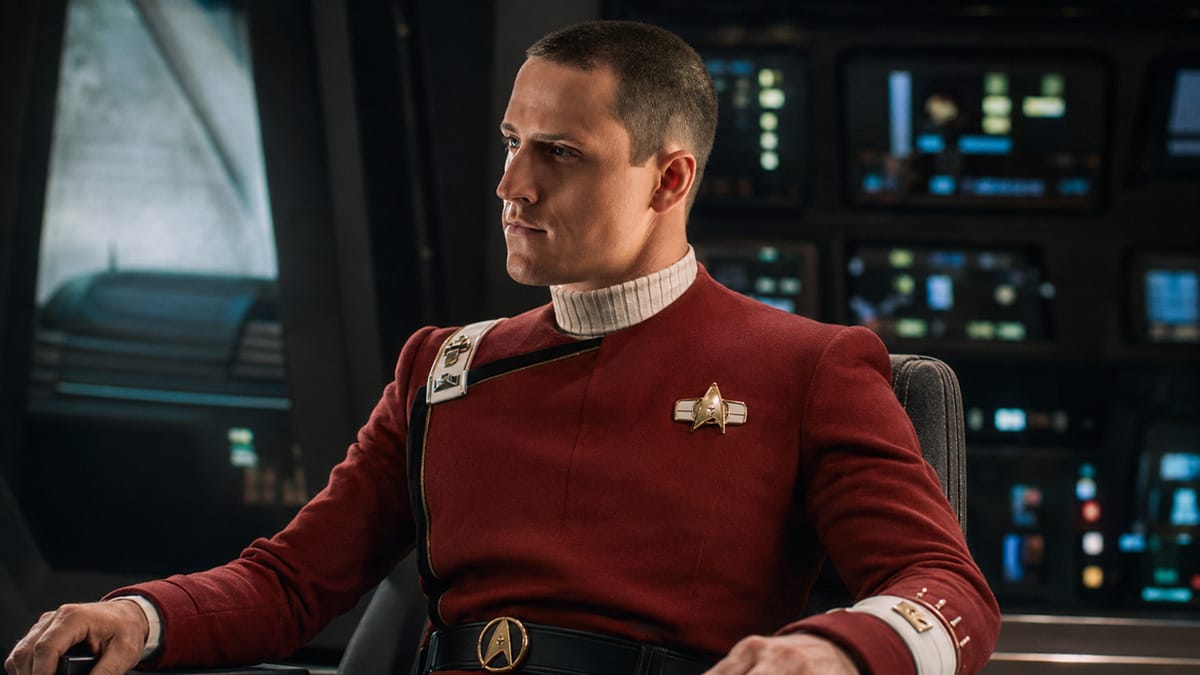
Shane Harper is the faith-friendly pick.
He has an association with “God’s Not Dead,” which may give him some appeal with viewers who care about moral clarity in entertainment. He could bring sincerity to Kirk, and sincerity is not a small thing in a franchise that has spent too much time trying to look clever.
But Kirk also needs danger.
The captain of the Enterprise cannot merely be decent. He must be decisive. He must be willing to risk himself, defy orders when necessary, and look a Klingon in the eye without blinking.
Harper could work in a young Kirk story. He is less convincing as the man already fit to command the Enterprise.
James Maslow
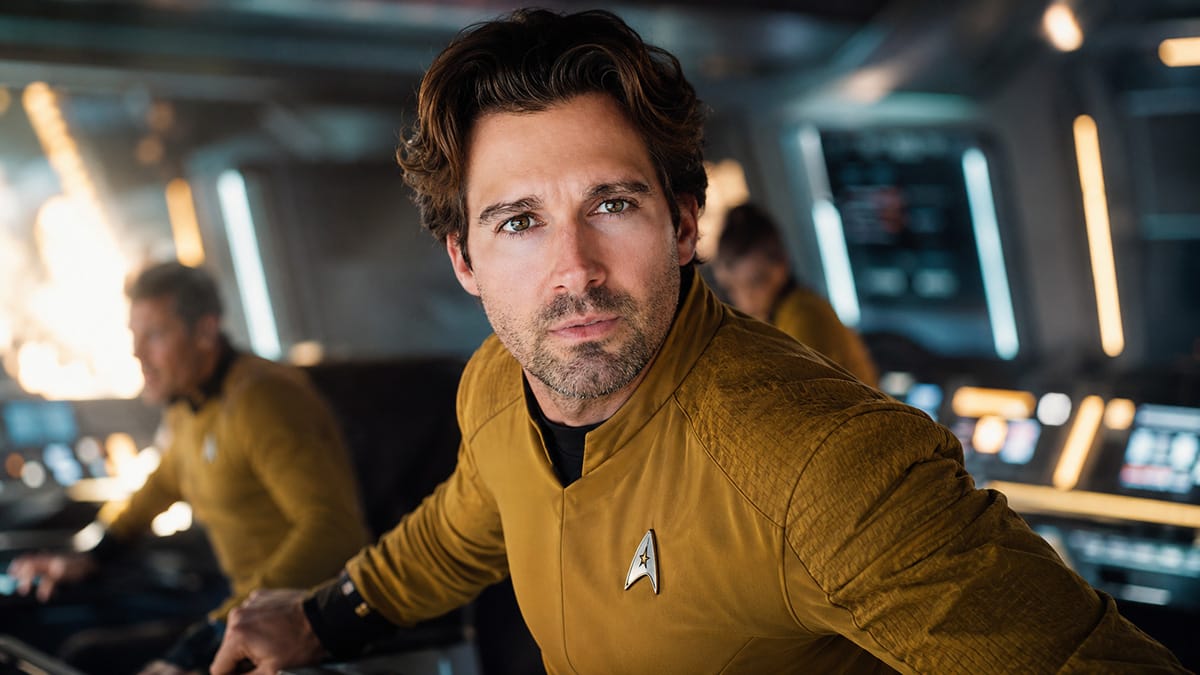
James Maslow has charm, energy, and performance polish.
That makes him an outside possibility for the lighter side of Kirk. He could probably handle the smile, the confidence, and the social ease. The question is whether he could carry the weight.
Kirk is not only a charming man. He is the man responsible for everyone on the ship.
Maslow would need the right story, probably something earlier in Kirk’s career. As a theatrical relaunch choice, he sits too far down the list.
Austin North
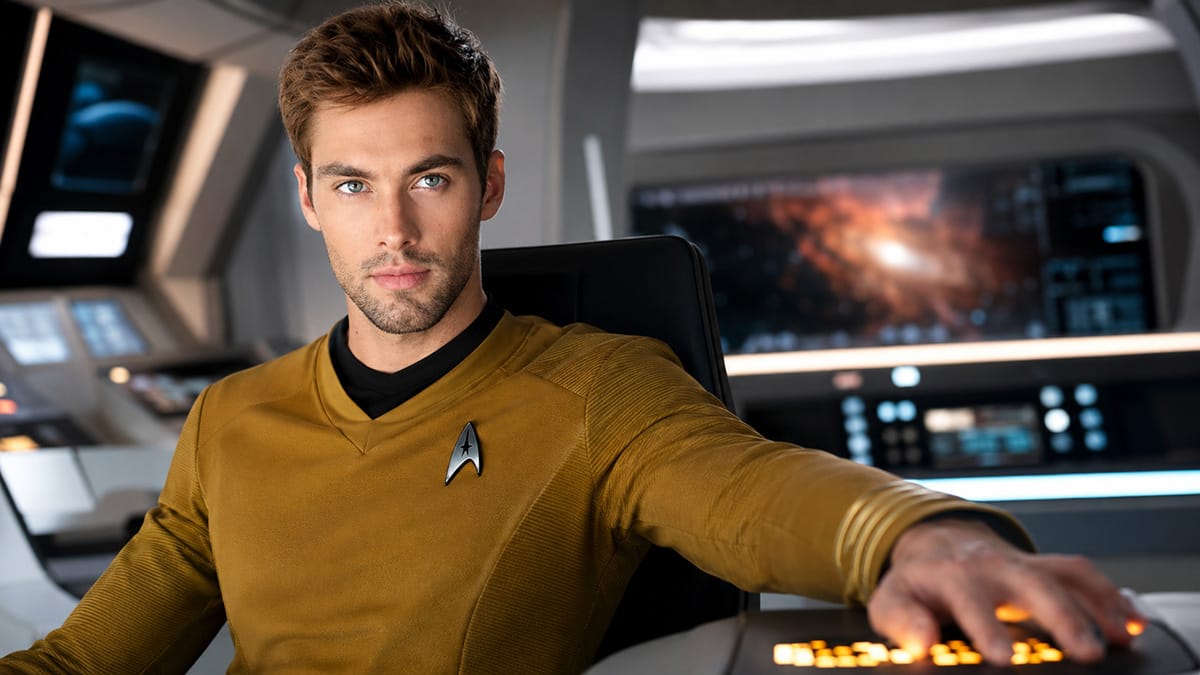
Austin North is the academy-age option.
That is not a compliment or an insult. It is simply where he fits. He reads young, contemporary, and more suited to a cadet story than to command of the Enterprise.
If Paramount insisted on another academy-era concept, North could be considered for a young Kirk before he becomes Kirk. But that is exactly the sort of direction the franchise should avoid right now.
Star Trek does not need another hallway drama. It needs the bridge.
Jimmy Bennett
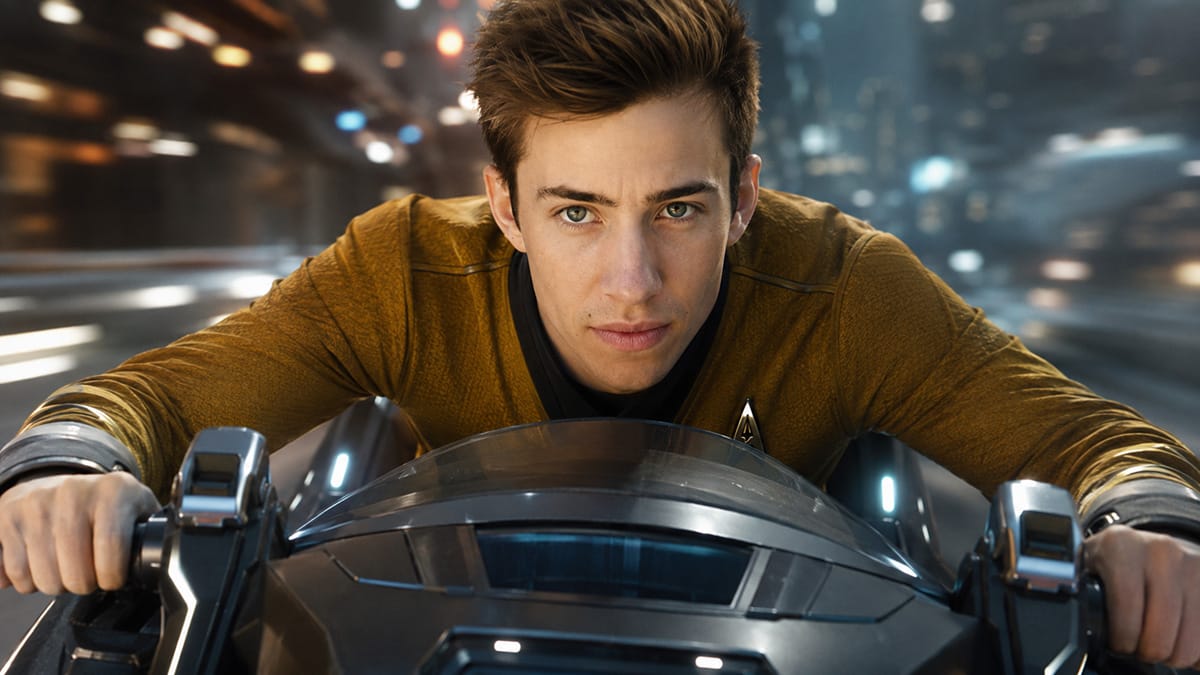
Jimmy Bennett has the deep-cut trivia advantage.
He played young James T. Kirk in the 2009 “Star Trek,” which gives him a direct connection to the role. That would make his casting an amusing full-circle move.
But nostalgia for that appearance is not strong enough to carry a film. Most moviegoers remember Pine. A smaller group remembers the young Kirk scenes. Almost no one is asking Paramount to build a new theatrical Star Trek around that connection.
Bennett would make more sense as a clever cameo than a franchise lead.
Shia LaBeouf
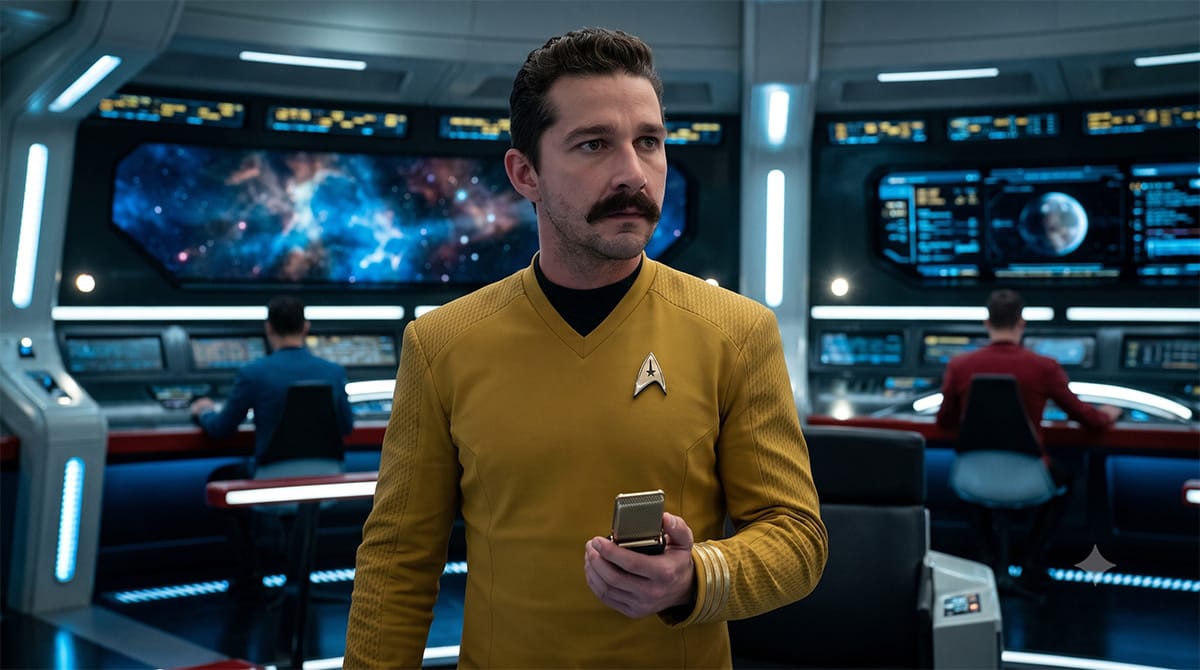
Shia LaBeouf is the dangerous gamble.
He is talented. That is not the issue. He has intensity, unpredictability, and a long history with major franchises. The problem is that Captain Kirk should unite the audience around the character, not turn the casting itself into the whole story.
A new Star Trek movie already has enough problems. It does not need to spend its first six months explaining why its Kirk is such a risky choice.
LaBeouf might play a damaged Starfleet veteran, a rogue officer, or even an antagonist. He should not be Kirk.
The Best Choice Depends on the Mission
The ranking depends on what Paramount wants to do.
Chris Pine is the best choice if the studio wants closure. Let the Kelvin crew finish its voyage. Give Pine’s Kirk one last mission, one worthy enemy, and one real chance to show the captain he became.
Paul Wesley is the best choice if the studio wants continuity. Let “Strange New Worlds” lead toward the big screen. Show Kirk taking the chair and becoming the man who will define the Enterprise.
Glen Powell is the best choice if the studio wants a clean relaunch. Cast a new Kirk. Build a new crew. Put the Enterprise back in space and make the movie big enough to matter.
That last option may be the most exciting because Star Trek needs more than repairs. It needs confidence.No more secret police spinoffs. No more academy fiascos. No more apologizing for the old formula while borrowing its names and symbols.
Give us the Enterprise. Give us strange new worlds. Give us Spock, McCoy, Uhura, Scotty, Sulu, and a captain who believes mankind can be better than it is.
That is not nostalgia. That is Star Trek.