
How "TRON" Saw the Digital Future Before the Internet
More than 40 years after its release, "TRON" remains surprisingly relevant. Discover how the classic film anticipated virtual worlds, AI, and the growing role of computers in everyday life.

This Week in Classic Science Fiction
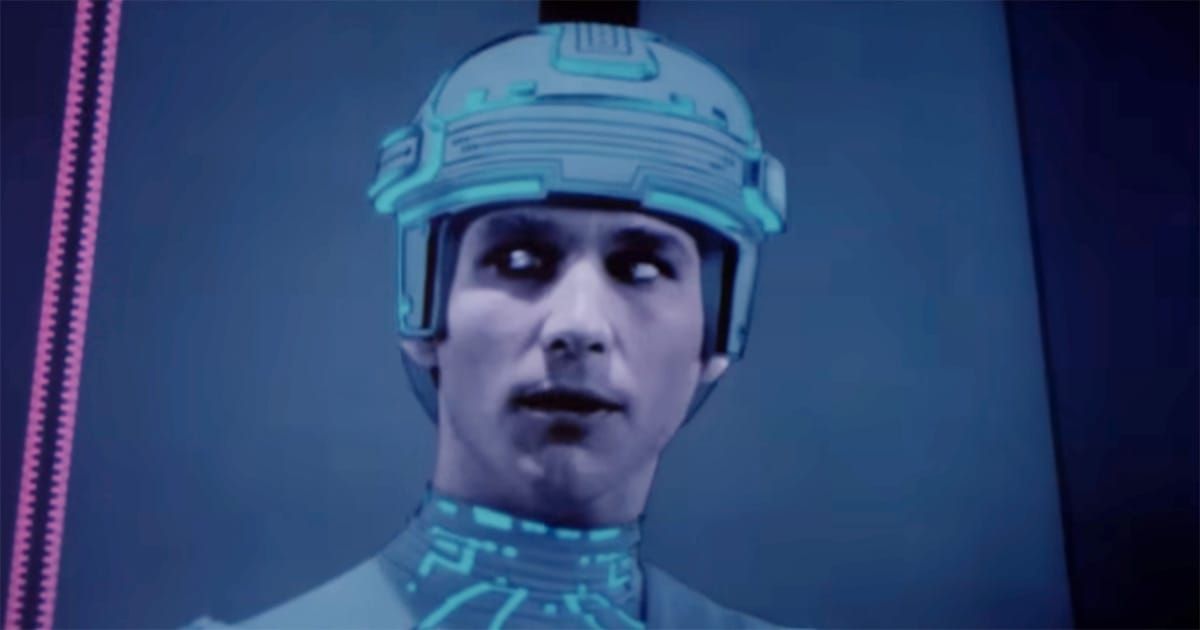
On July 9, 1982, "TRON" opened in theaters across the United States. At a time when most Americans knew computers as mysterious machines found in universities, government offices, or large corporations, "TRON" imagined a digital world populated by intelligent programs, towering computer systems, and gladiatorial games fought with beams of light.
The film starred Jeff Bridges as Kevin Flynn, a gifted programmer who is digitized and transported inside a computer. There, he discovers that every program has a distinct personality, every command carries consequences, and freedom must be won from the Master Control Program. This artificial intelligence seeks absolute control over the digital world.
Although "TRON" was only a modest box office success in 1982, its reputation grew steadily over the following decades. Its groundbreaking use of computer-generated imagery and backlit animation created a visual style unlike anything moviegoers had seen before. The film also introduced ideas that later became common in science fiction, including virtual reality, digital identities, artificial intelligence, and life inside cyberspace.
Today, "TRON" is recognized as a classic that was years ahead of its time. It remains a reminder that some of science fiction's boldest ideas arrive long before the technology that eventually makes them seem ordinary.
Sponsored by: Troopers on Mars | मंगल पर ट्रूपर्स
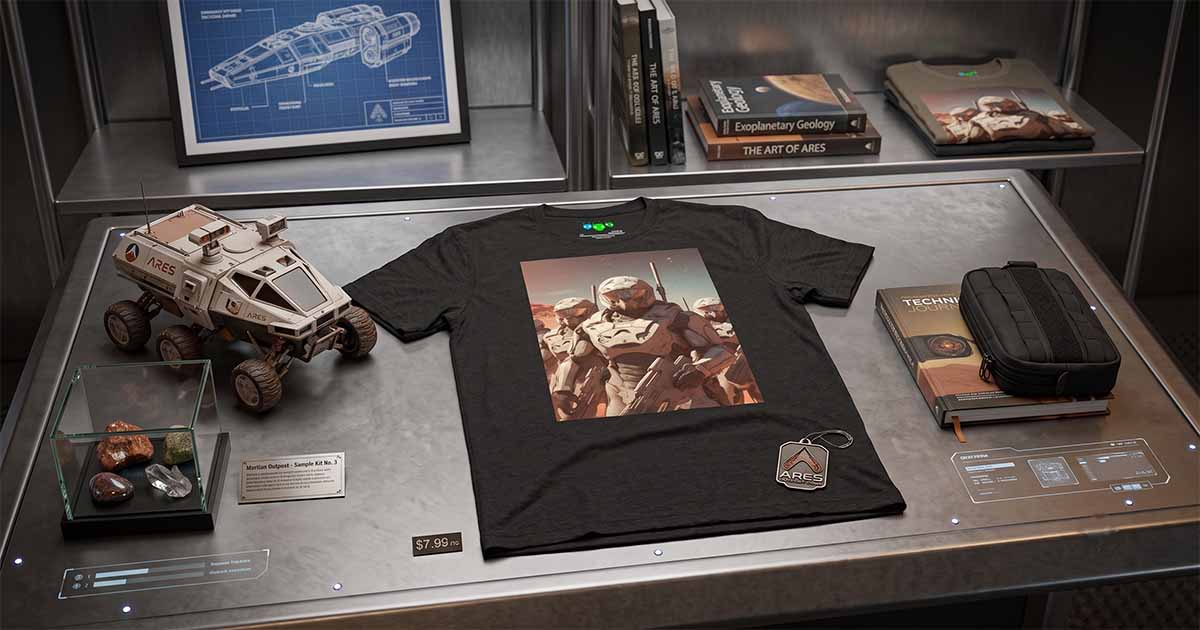
Whether you're heading to a convention or just showing your love of classic science fiction, the "Troopers on Mars" T-shirt combines retro artwork with all-day comfort. It's a great way to celebrate the adventurous spirit of vintage science fiction.
What "TRON" Understood About the Computer Age
The power of "TRON" is not that it accurately predicted every advance in computer technology. Plenty of science fiction stories have guessed correctly about gadgets or machines. What made "TRON" different was its understanding that computers would eventually become part of everyday life. The film imagined a future where people would depend upon digital systems in ways that were difficult to picture in 1982.
That was a remarkable idea. Most science fiction had treated computers as giant calculating machines or dangerous artificial intelligences. "TRON" certainly included an evil computer, but that was only part of the story. Its greater insight was to present the computer as an entire world with its own rules, its own inhabitants, and its own struggles. Looking back more than four decades later, that vision seems surprisingly familiar.
A World Inside the Machine
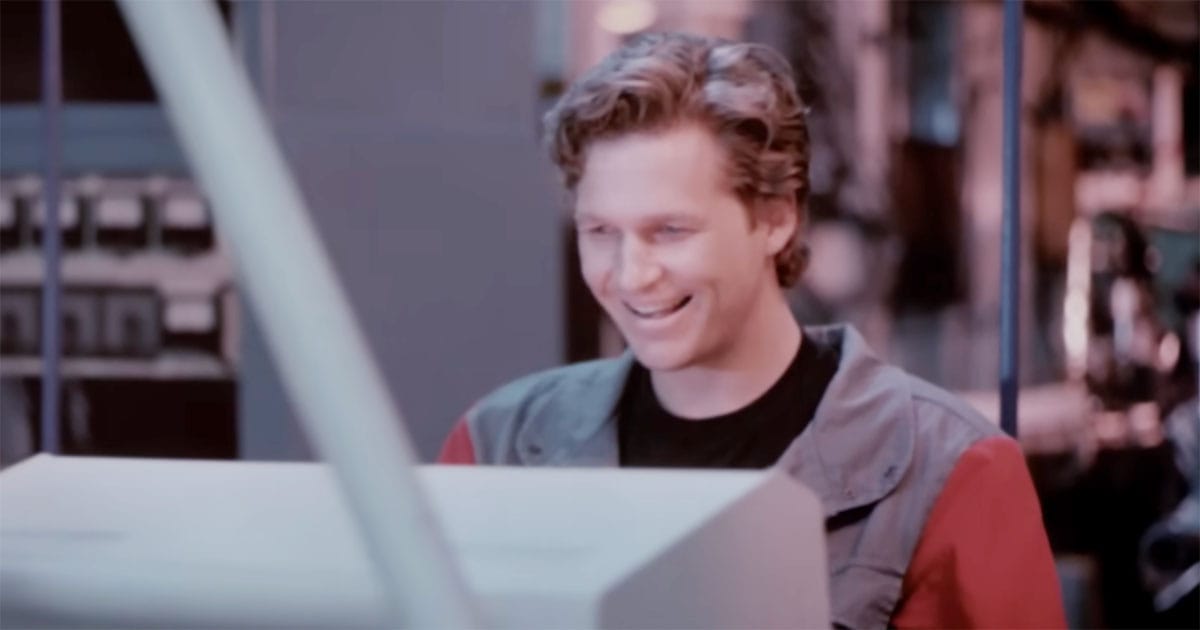
Kevin Flynn does not simply operate a computer. He enters it. Once inside, he discovers highways carrying information, towering structures that house powerful programs, and communities where every program has a purpose. It is a complete society hidden beneath the surface of the machines sitting in offices and laboratories.
The concept was easy to dismiss as fantasy when the film first appeared. Today, people routinely spend hours in digital environments. They work with colleagues they never meet in person, compete in online games, hold conversations through video calls, and store important parts of their lives on remote computer systems. While no one is racing light cycles through glowing landscapes, millions of people now think of the digital world as a place they enter each day.
Even the language reflects this change. People speak of going online, entering virtual worlds, and visiting websites. Those expressions would have sounded unusual in 1982, yet they closely resemble the vision that "TRON" placed on the screen.
The Human Face of Software
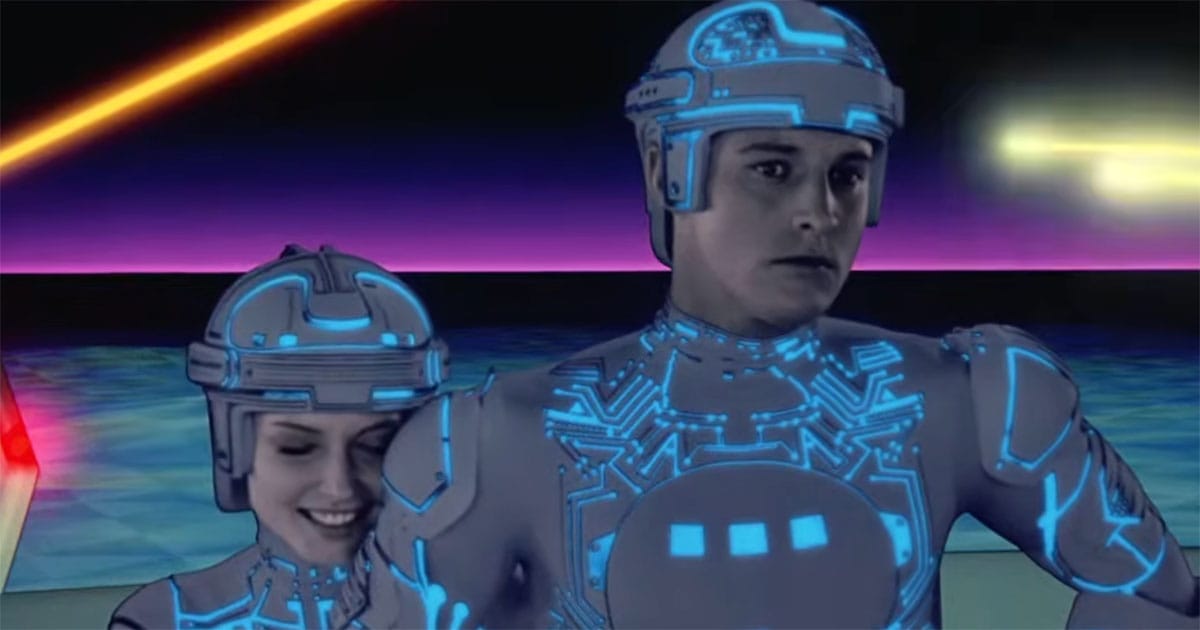
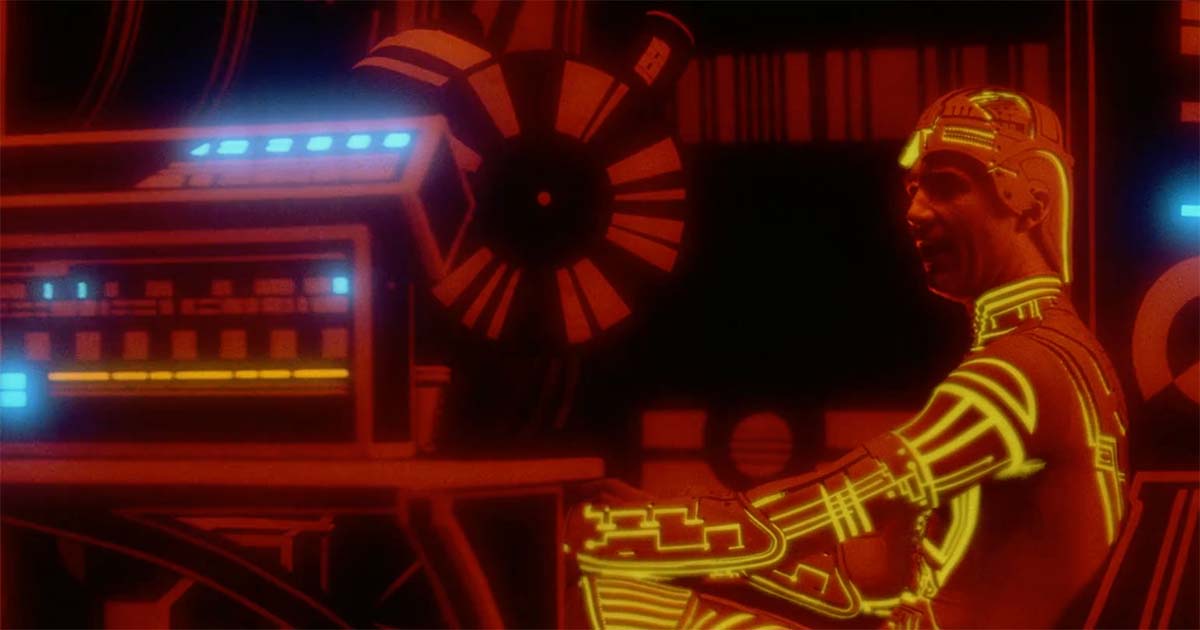
One of the film's most creative ideas is that every program possesses a distinct personality. Tron is brave and determined. Ram is loyal and optimistic. Yori is resourceful. Dumont is wise. Each reflects the purpose for which he was created, but each also displays unmistakably human qualities.
Modern software has not become truly alive, yet people increasingly interact with computers as though they were personalities rather than machines. Digital assistants answer questions in conversational language. Navigation systems speak with calm voices. Computer programs write letters, generate artwork, and assist with research. The line between tool and companion has become far less rigid than it once appeared.
"TRON" understood that people would eventually judge software by more than its technical ability. They would value how it communicated, how well it solved problems, and whether it earned their trust. That insight has become increasingly relevant as software grows more capable every year.
The Danger of Too Much Control
The Master Control Program remains one of the film's most memorable creations because it represents more than an evil computer. It represents the temptation to place too much authority in a single system. The Master Control Program absorbs other programs, eliminates competition, gathers information, and seeks complete control over every part of the digital world.
That idea has aged remarkably well. Modern computer systems manage financial transactions, transportation networks, communications, medical records, and countless other aspects of daily life. Those systems provide tremendous benefits, but they also remind us how dependent society has become upon technology that few people fully understand.
The lesson of "TRON" is not that computers are dangerous by nature. The lesson is that powerful systems require responsible people. Technology reflects the values of those who design it, operate it, and decide how it will be used. That truth is just as important today as it was when audiences first met the Master Control Program.
Ideas Outlast Special Effects
Every generation produces films that promise to show the future. Many become outdated as technology changes and new inventions replace old predictions. "TRON" avoided that fate because its greatest achievement was never its visual effects. It was its understanding of how people would adapt to a world increasingly shaped by computers.
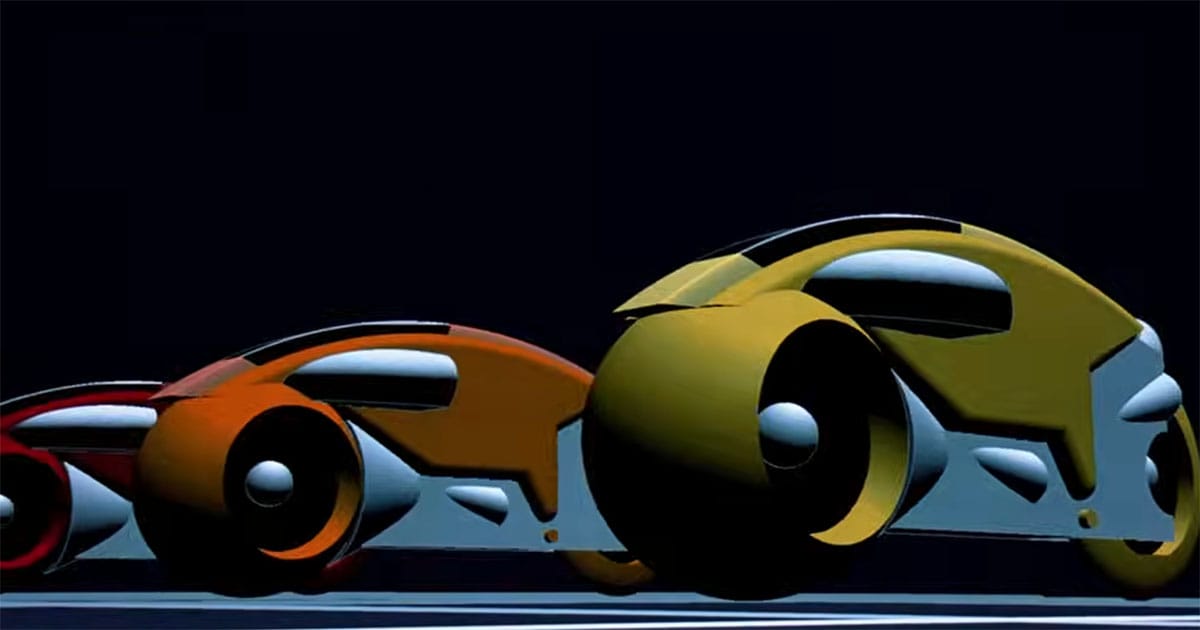
The glowing costumes, geometric landscapes, and light cycles still give the film a distinctive look, but they are not the reason it remains a classic. Viewers continue to return because its central questions have only grown more relevant. How much control should people surrender to technology? How should powerful computer systems be governed? Can innovation serve humanity without diminishing individual freedom?
Those questions remain unanswered, which is why "TRON" still deserves a place among the great science fiction films of the twentieth century. It looked beyond faster computers and more impressive machines to explore something far more enduring. It recognized that every technological revolution ultimately becomes a human story, and that insight has proven far more lasting than any prediction about the hardware itself.
"TRON" Trivia
- Most scenes inside the computer were not CGI. They were created with backlit animation and hand-painted film cels.
- "TRON" was originally conceived as a fully animated film before becoming a mix of live action, animation, and computer graphics.
- Bit's voice was not performed by an actor. It was created with a Votrax speech synthesizer.
- More than 560 artists and technicians worked on post-production, including about 200 inkers and hand-painters.