
"Earth vs. the Flying Saucers" Brings the UFO Craze to Life
"Earth vs. the Flying Saucers" remains one of the defining science fiction films of the 1950s with Ray Harryhausen's remarkable effects, Cold War themes, and unforgettable flying saucer action.

"Earth vs. the Flying Saucers" (1956) Review
Released in 1956, "Earth vs. the Flying Saucers" arrived when reports of unidentified flying objects had captured the public imagination. Newspapers carried stories about mysterious sightings, while books by UFO advocates like Donald Keyhoe argued that visitors from another world might already be watching Earth. Hollywood quickly embraced the phenomenon, producing a wave of science fiction films that reflected both curiosity and Cold War anxiety.
Among those productions, "Earth vs. the Flying Saucers" remains one of the most enduring. Produced by Charles H. Schneer and directed by Fred F. Sears, the film combines a straightforward invasion story with some of the finest visual effects of the decade. Ray Harryhausen's stop-motion animation transforms simple flying discs into convincing alien machines that still command attention nearly 70 years later.
The film succeeds because it never loses sight of its purpose. It tells a fast-moving story about an alien invasion while celebrating scientific ingenuity and human determination. Although its characters receive only modest development, its sense of momentum and remarkable visual craftsmanship have earned it a permanent place among the classics of 1950s science fiction.
| Attribute | Details |
|---|---|
| Title | Earth vs. the Flying Saucers |
| Director | Fred F. Sears |
| Writer | George Worthing Yates, Bernard Gordon |
| Actors or Actresses | Hugh Marlowe, Joan Taylor, Donald Curtis, Morris Ankrum, John Zaremba |
| Rated | Approved |
| Runtime | 83 min |
| Box Office | Not widely reported |
| U.S. Release Date | June 1956 |
| Quality Score | 7.5/10 |
Synopsis
Dr. Russell Marvin is a scientist working on an American satellite program alongside his new wife, Carol. Their research takes an unexpected turn when mysterious flying saucers begin interfering with satellite launches. After several unexplained incidents, it becomes clear that the strange craft are not observing Earth from a distance. They have arrived with plans of their own.
The alien visitors establish contact with Marvin and reveal that they intend to colonize Earth. They possess advanced technology that easily overwhelms conventional military defenses, leaving governments around the world searching for a way to respond. As the invaders increase their attacks, humanity appears powerless against their superior weapons.

Rather than relying solely on military strength, the film places its confidence in scientific research. Marvin studies the aliens' technology and works with fellow scientists to discover a weakness that might level the playing field. Their efforts lead to a desperate final confrontation as the flying saucers launch an assault against the nation's capital.
The story unfolds at an impressive pace with very few detours. Romance, political debate, and personal drama remain secondary to the central conflict. That focus allows the film to devote its energy to suspense, spectacle, and the growing battle between human intelligence and extraterrestrial power.
Themes
One reason "Earth vs. the Flying Saucers" continues to resonate is its connection to the flying saucer craze of the 1950s. Unlike earlier science fiction films that introduced entirely fictional alien threats, this story drew inspiration from contemporary UFO reports that many Americans followed with genuine interest. That connection gave the film an immediacy that audiences of the time would have immediately recognized.
The screenplay also reflects the uncertainty of the Cold War. The aliens appear without warning, possess superior weapons, and demand Earth's surrender. Those fears mirrored concerns about surprise attacks and rapidly advancing military technology that shaped public thinking throughout the decade.
At the same time, the film presents an optimistic vision of scientific progress. Dr. Marvin is not an action hero in the traditional sense. He wins through observation, research, and careful reasoning rather than physical strength. The military supports his work, but scientific discovery ultimately offers humanity its best chance for survival.
This confidence in science reflects the spirit of the early Space Age. Artificial satellites, rockets, and advanced electronics represented exciting possibilities for the future. Even while presenting a frightening alien invasion, the film expresses faith that knowledge and innovation can overcome even the greatest challenges.
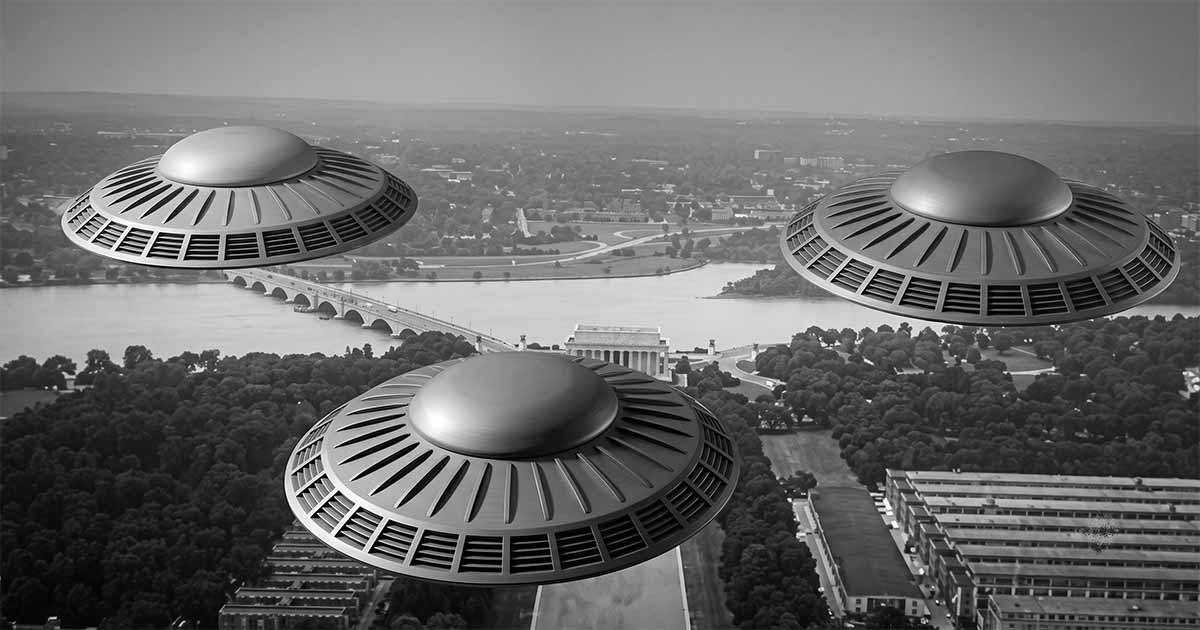
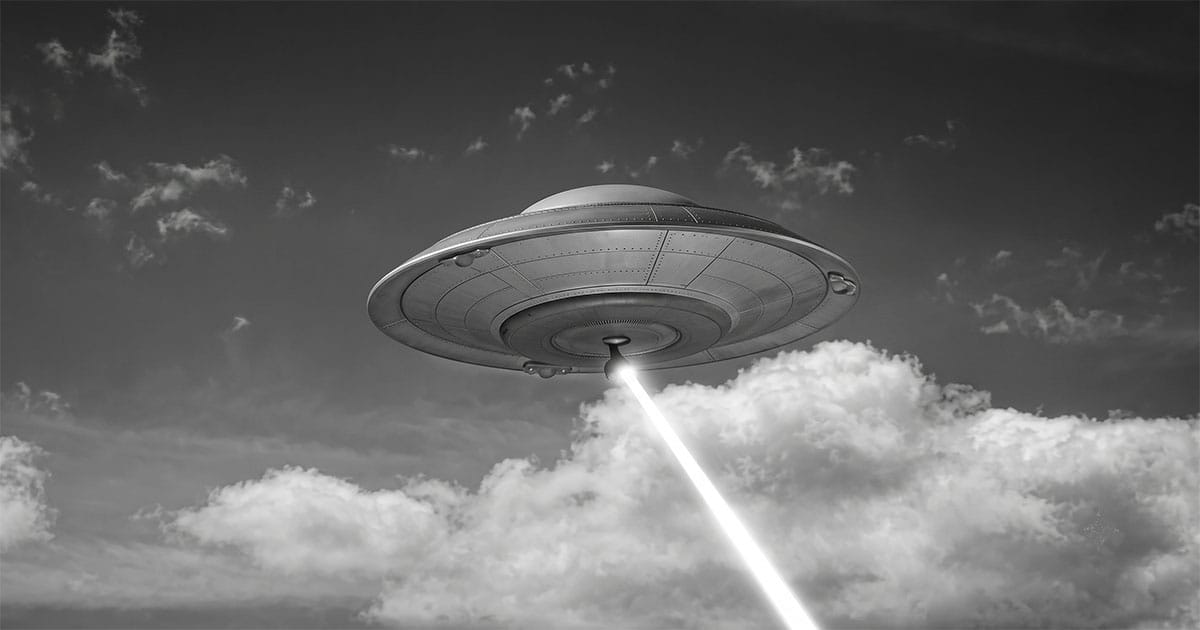
Ray Harryhausen's special effects remain the film's greatest achievement. His flying saucers never appear to be lifeless models suspended in front of the camera. They bank through the sky, dodge fighter aircraft, and hover with convincing weight and purpose. Their movement gives each encounter a sense of realism that many larger productions of the era failed to achieve.
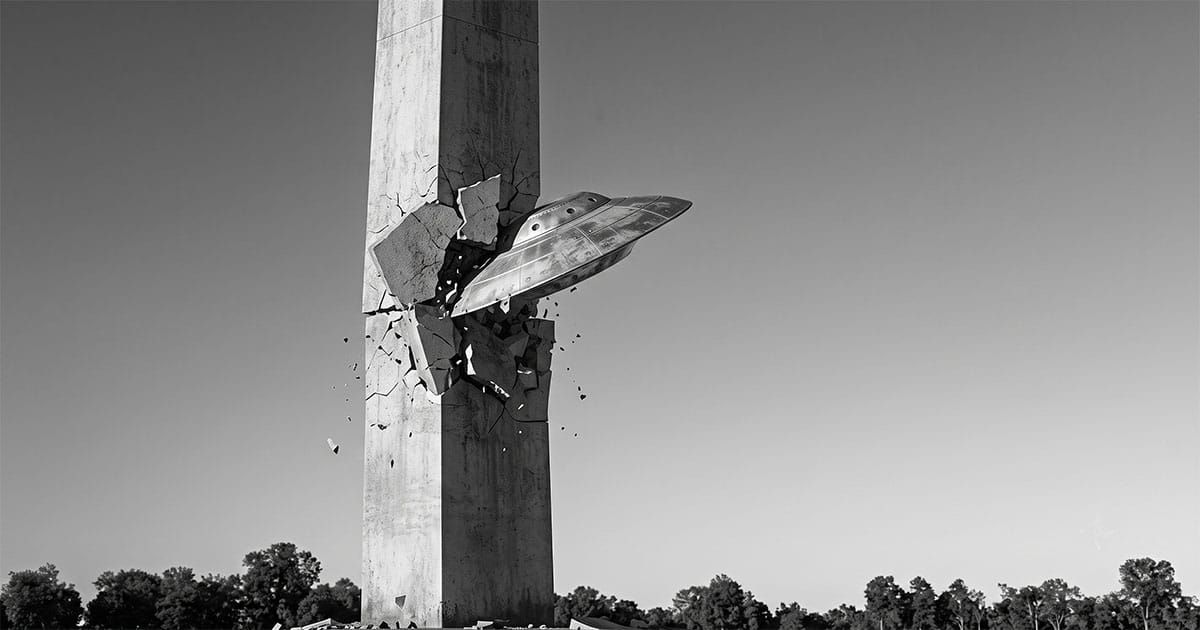
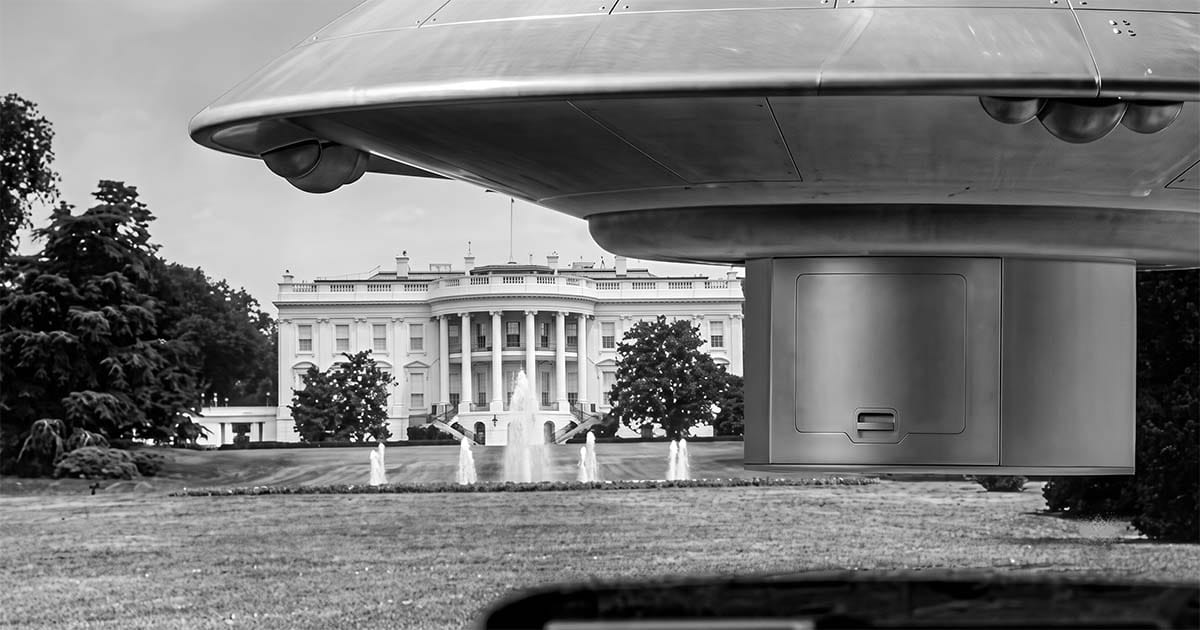
The climactic destruction of Washington, D.C., remains one of the defining sequences in classic science fiction cinema. Harryhausen combines miniature photography, stop motion animation, and optical effects to create scenes of remarkable scale. The collapsing Washington Monument and the damaged Capitol became enduring images that demonstrated how practical effects could create convincing spectacle long before the arrival of computer graphics.
The film's modest budget occasionally reveals itself. The alien costumes appear far less convincing than their spacecraft, and the dialogue often exists to explain scientific concepts rather than develop personalities. Even so, these shortcomings rarely interrupt the story's momentum because the filmmakers wisely keep the focus on the invasion itself.
Fred F. Sears deserves considerable credit for maintaining that momentum. The film wastes little time on unnecessary subplots or extended exposition. Each scene moves the story toward the inevitable confrontation, giving the picture an efficiency that many science fiction films of the period lacked.
Viewed today, "Earth vs. the Flying Saucers" remains both an entertaining adventure and an important historical artifact. It captures the optimism, uncertainty, and technological fascination that defined much of American science fiction during the 1950s. More importantly, it demonstrates how imagination and craftsmanship could overcome the limitations of a modest production budget.
Who Will Watch
"Earth vs. the Flying Saucers" is an easy recommendation for anyone interested in the golden age of science fiction cinema. Fans of Ray Harryhausen will appreciate some of his most memorable visual effects, while students of film history will recognize its influence on countless alien invasion stories that followed.
Viewers who enjoy practical effects will also find much to admire. Harryhausen's animation possesses a tactile quality that modern computer-generated imagery often struggles to duplicate. The flying saucers remain surprisingly convincing because they move with purpose and interact naturally with their surroundings.
Modern audiences should approach the film with reasonable expectations. Its performances, dialogue, and pacing reflect the filmmaking conventions of the 1950s rather than contemporary blockbuster entertainment. Those willing to embrace its era will discover one of the defining science fiction films of its decade and an enduring showcase for Ray Harryhausen's extraordinary imagination.