
Why Are Podracers Only Used on Certain Planets in "Star Wars"
Why are podracers only used on certain planets in "Star Wars"? Explore the geography, politics, economics, and culture that limit the galaxy's most dangerous racing sport.

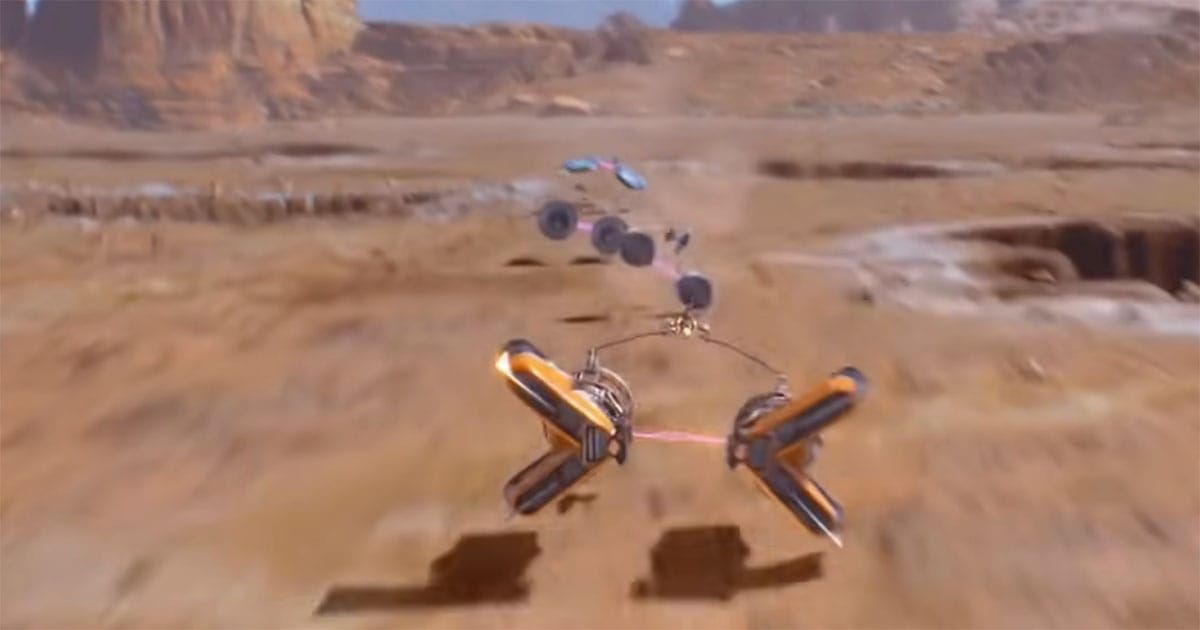
Podracers rank among the fastest and most dangerous civilian vehicles in the "Star Wars" galaxy, yet they appear only on a handful of worlds. While casual viewers often associate the sport exclusively with Tatooine, the reality is that podracing flourishes only where local conditions support its extreme demands. Geography, politics, economics, engineering, and culture all combine to determine where these remarkable machines can survive.
A Sport Built for the Frontier
Unlike speeders or starfighters, podracers are not designed for everyday transportation. Their twin-engine configuration prioritizes raw acceleration over safety, comfort, or practicality. Pilots race only inches above the ground while depending on energy binders to connect the cockpit to engines capable of catastrophic failure.
Those characteristics make civilized urban environments poor locations for competition. A crash in the middle of a populated city would produce devastating consequences, while remote deserts and rocky wilderness naturally contain much of the danger.
This explains why Tatooine became synonymous with the sport. Endless dunes, deep canyons, and isolated settlements allow organizers to construct courses stretching for many kilometers without interfering with ordinary life. The harsh landscape becomes part of the challenge and part of the spectacle.
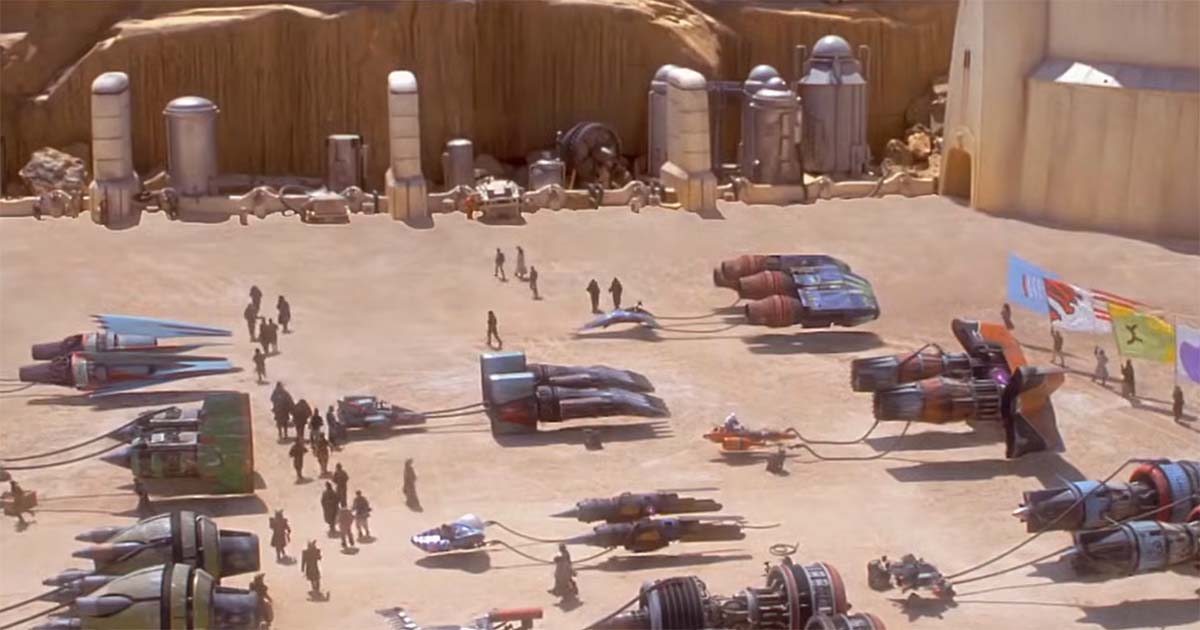
Geography Creates Natural Racetracks
Many successful podracing venues share similar terrain. Open deserts, mesas, volcanic plains, and broad salt flats provide long sightlines and relatively few permanent obstacles. Natural formations also create memorable hazards that separate skilled pilots from reckless ones.
Malastare demonstrates that Tatooine is not unique.
The planet supports major racing events because its terrain accommodates enormous circuits while local institutions invest in facilities, spectators, and promotion. Other worlds with comparable landscapes host races for the same reasons even if they receive less attention in films and television.
Planets dominated by dense forests, crowded cities, oceans, or mountains simply cannot offer equivalent conditions. Building an artificial course large enough for safe competition would require extraordinary expense with little practical return.
Politics and Public Safety
Government policy shapes the spread of podracing almost as much as geography. The sport carries a reputation for spectacular crashes, mechanical failures, sabotage, and fatalities. Officials on highly developed worlds often conclude that the risks outweigh any entertainment value.
Remote territories operate under different priorities.
Frontier governments may welcome the income generated by tourism and gambling, while criminal organizations often encourage races because betting attracts enormous profits. The influence of the Hutts on Tatooine illustrates how local power structures can preserve activities that would face prohibition elsewhere.
The result resembles frontier prizefighting or early automobile racing in American history. Dangerous competitions survive longest where regulation remains limited and economic incentives remain strong.
Engineering Without Compromise
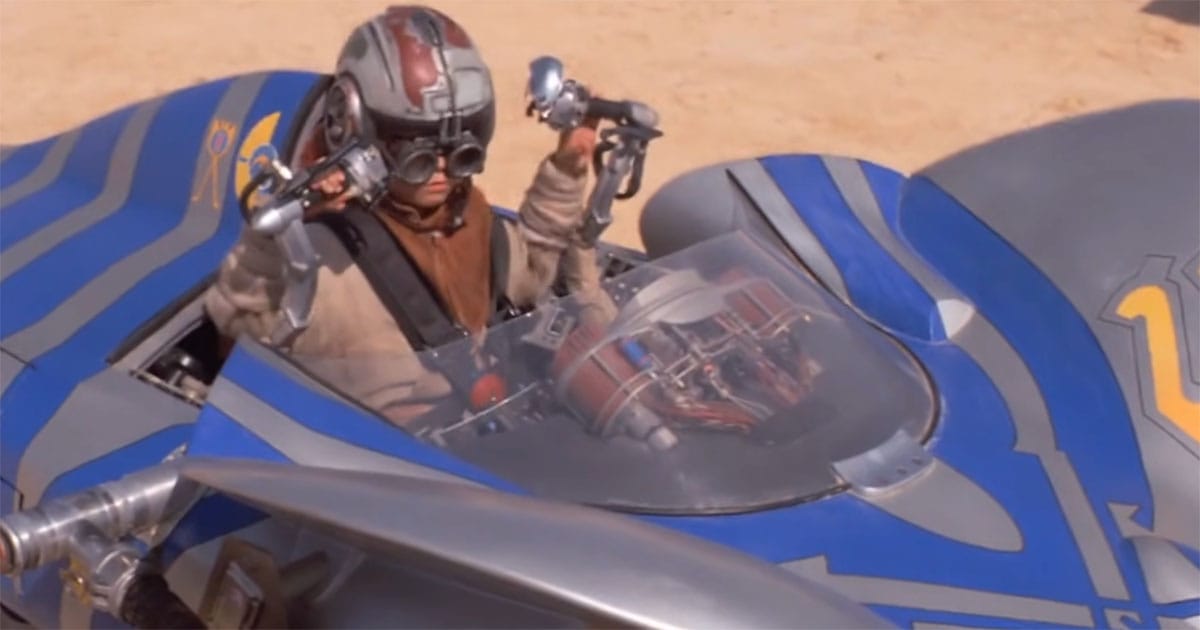
Podracers also demand specialized maintenance that few communities can provide. Engines operate at extraordinary temperatures and require constant adjustment between races. Mechanics, replacement parts, fuel supplies, and technical expertise become part of an expensive support network that many planets simply lack.
The machines themselves sacrifice reliability for speed. Unlike commercial vehicles designed for years of dependable service, podracers exist to shave fractions of a second from lap times. Owners accept frequent breakdowns because victory justifies the expense.
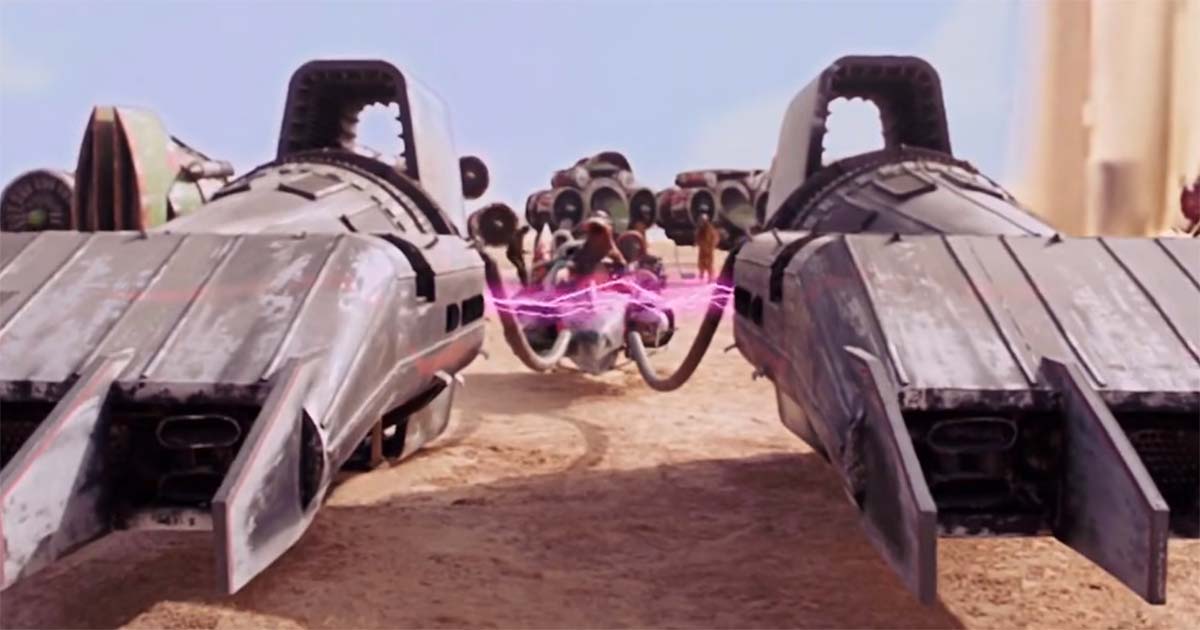
This economic reality concentrates teams around established racing centers where infrastructure already exists. New venues struggle to attract competitors without those resources.
Exceptional Pilots for Exceptional Machines
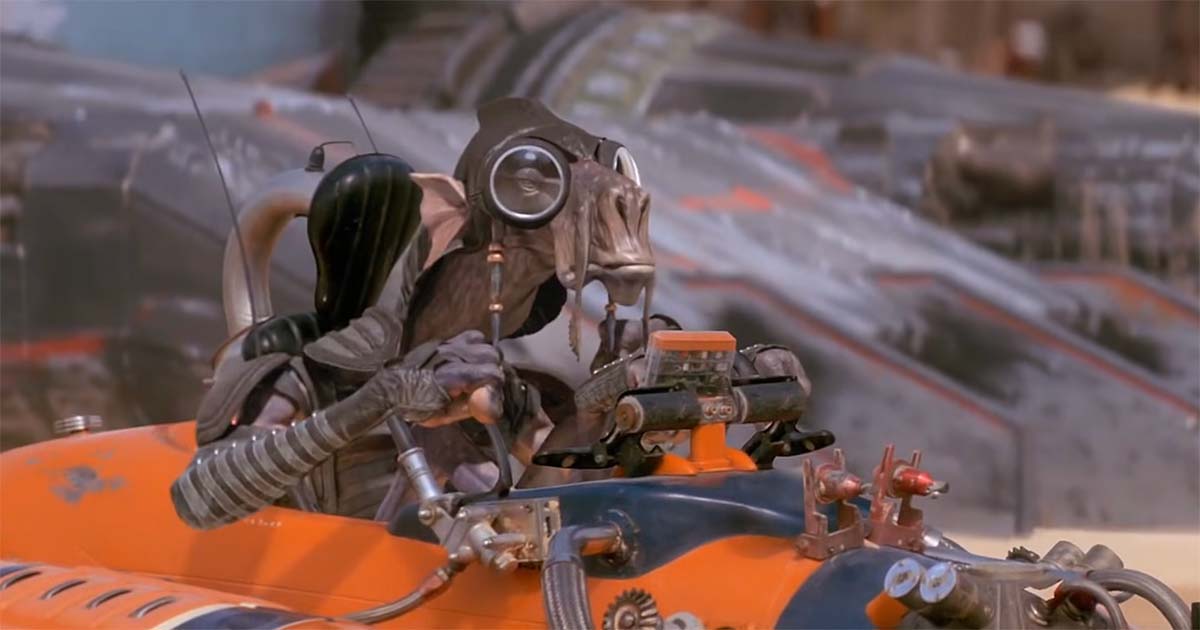
Piloting a podracer requires abilities beyond ordinary driving skill. Racers process visual information at astonishing speed while making constant corrections through dangerous terrain. Many competitors belong to species with natural reflexes or physical characteristics that improve survival.
Anakin Skywalker represents an extraordinary exception. His success as a human child emphasizes how unusual the sport really is and reinforces the belief that only rare individuals possess the instincts necessary to compete successfully.
A Galaxy That Watches From Afar
Although relatively few planets host races, millions of beings follow the competitions through broadcasts and gambling networks. Famous events become cultural landmarks that extend far beyond their local settings. Fans recognize celebrated drivers without ever seeing a podracer in person.
The limited number of racing worlds therefore reflects concentration rather than obscurity. Podracing occupies a place similar to that of legendary motorsports on Earth, where only a few famous circuits define an entire discipline.
Why Podracers Stay on Certain Planets
The best answer combines several factors rather than a single explanation. Podracers require enormous open spaces, expensive technical support, permissive governments, and communities willing to embrace extraordinary danger. Remove any one of those ingredients and the sport becomes difficult to sustain.
That combination helps explain why Tatooine remains the enduring symbol of podracing. The planet offers exactly the conditions the machines demand, while much of the galaxy finds the risks too great and the rewards too uncertain. The result is a sport that feels both widespread and strangely exclusive, adding another layer of realism to the larger "Star Wars" universe.