
"Altered Carbon" Makes Death a Luxury
Richard K. Morgan's "Altered Carbon" blends cyberpunk noir, brutal action, and bold ideas about immortality, identity, wealth, and the price of turning human consciousness into a commodity for profit.

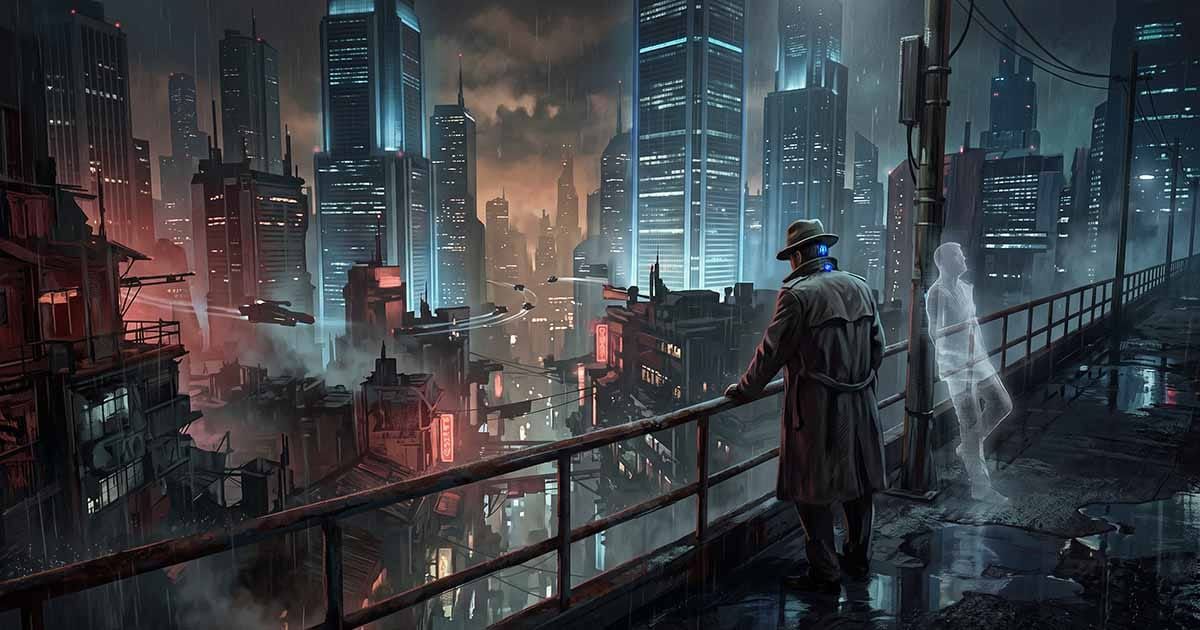
Richard K. Morgan's "Altered Carbon" arrived in 2002 with the confidence of a novel that knew exactly what kind of story it wanted to tell. It mixed cyberpunk, detective fiction, political intrigue, and brutal action into a future where the human body had become replaceable hardware.
The premise was simple enough to explain and large enough to support an entire civilization. Human consciousness could be stored in a cortical stack, transferred into another body, and even transmitted across vast distances.
A body had become a sleeve. Death, once the final boundary of human existence, had become a technical problem that money could sometimes solve.
Morgan did not merely ask what immortality might feel like. He asked what people would do once immortality entered the marketplace, and that question gave "Altered Carbon" most of its lasting power.
A Murder That Requires Science Fiction
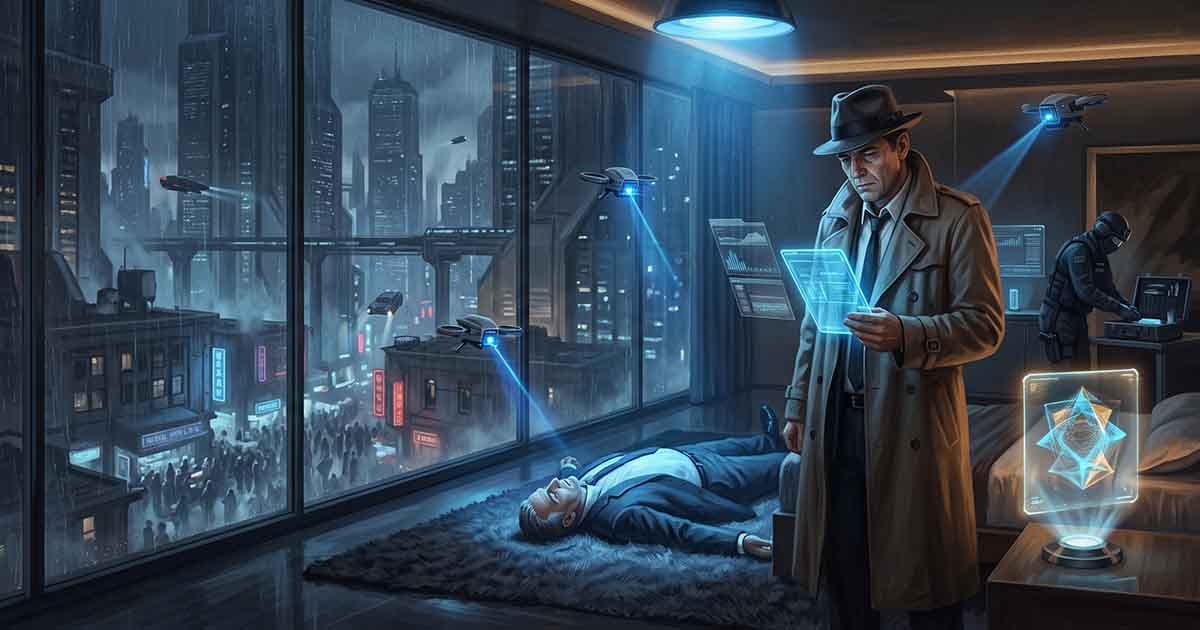
The novel follows Takeshi Kovacs, a former Envoy whose consciousness was stored after his death on another world. Years later, he was brought back in a new body on Earth and given an assignment by Laurens Bancroft, one of the wealthiest men alive.
Bancroft had apparently killed himself, but he did not believe the official conclusion. Because he maintained backups of his consciousness, he survived the destruction of his previous body with a gap in his memory.
That strange arrangement gave Morgan one of the best mystery premises in modern science fiction. The apparent murder victim hired a detective to investigate his own death, yet neither man knew whether a murder had actually occurred.
The plot worked because its mystery could not have existed without the technology behind it. Cortical stacks, backup copies, replacement bodies, and stored consciousness were not props surrounding an ordinary detective story.
They created the detective story. The investigation depended on a society where death had several meanings, identity could survive the destruction of a body, and evidence could become tangled with questions about memory and continuity.
Morgan borrowed heavily from hard-boiled detective fiction. Kovacs moved through wealthy estates, police departments, criminal organizations, artificial environments, and dangerous neighborhoods while following a trail of people who rarely told him everything they knew.
The structure recalled writers like Raymond Chandler, but the setting changed the rules of the game. A corpse could return, a witness could survive bodily death, and a suspect could possess resources accumulated over several lifetimes.
That combination gave the novel enormous momentum. Morgan understood that a detective investigation was also an excellent way to introduce a fictional society because each clue carried Kovacs into another part of the world.
The result was a novel that rarely stopped moving. Its action sometimes became excessive, but its basic construction remained remarkably efficient.
Immortality for Sale
The most important idea in "Altered Carbon" was not that people could live again after physical death. Science fiction had explored artificial bodies, transferred minds, and technological immortality long before Morgan wrote his novel.
Morgan's better idea concerned what happened after those technologies became ordinary. Once resleeving entered the economy, every human institution had to adapt.
Crime changed because destroying a body no longer necessarily meant killing a person. Punishment changed because a prisoner could spend years or decades as stored consciousness rather than occupying a cell.
Transportation changed because consciousness could move more easily than flesh. Wealth changed most dramatically because the richest people could continue accumulating property, knowledge, influence, and experience without surrendering any of it to death.
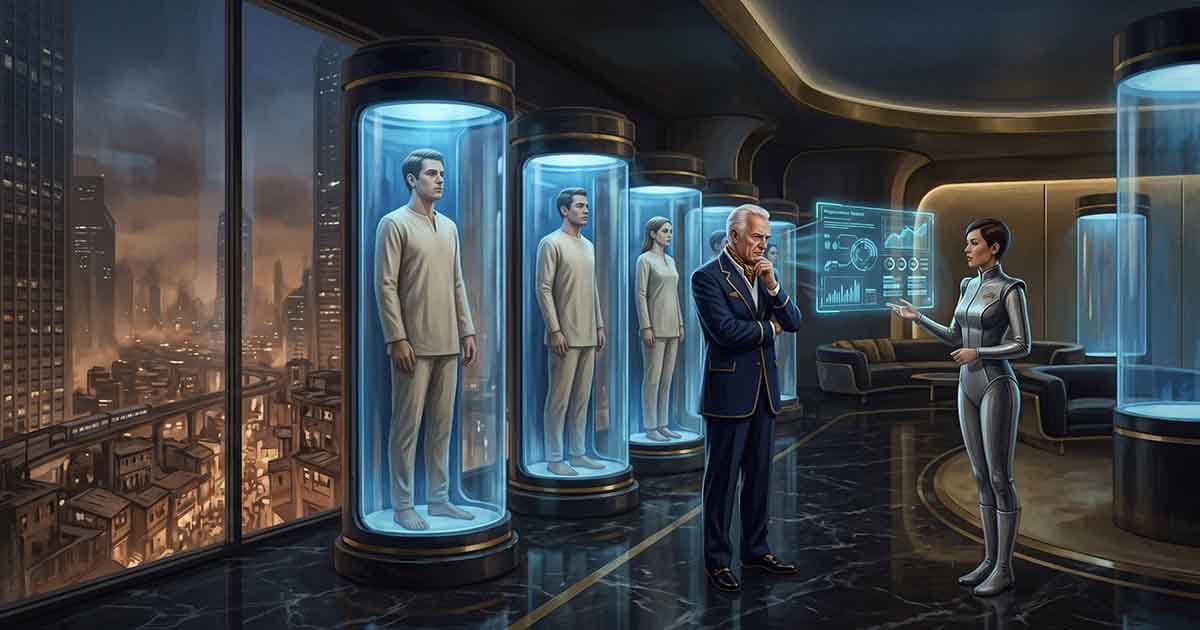
Morgan called these extremely wealthy long-lived people Meths, after Methuselah. The name fit because they resembled an aristocratic class more than ordinary citizens who happened to enjoy advanced medicine.
Their power came as much from time as from money. An ordinary businessman might spend forty years building influence, while a Meth could continue the same work for centuries.
That was where Morgan's speculative thinking became especially sharp. Technological immortality did not automatically make society fairer because access to the best forms of immortality remained tied to wealth.
The rich did not merely own better houses or possess larger bank accounts. They could acquire better bodies, superior protection, more reliable backups, and additional decades in which to increase their advantages.
A familiar economic divide therefore became something much more severe. Inequality had moved from money into biology and time.
This was the point where "Altered Carbon" became more than a violent detective novel with cyberpunk scenery. Morgan imagined a civilization that had weakened death without improving human character.
Greed survived. Cruelty survived, and the appetite for power survived.
Technology had changed the machinery of human existence while leaving many old human weaknesses intact. That idea gave the novel a darker edge than its neon signs, weapons, artificial intelligences, and virtual environments could provide on their own.
Takeshi Kovacs and the Hard-Boiled Future
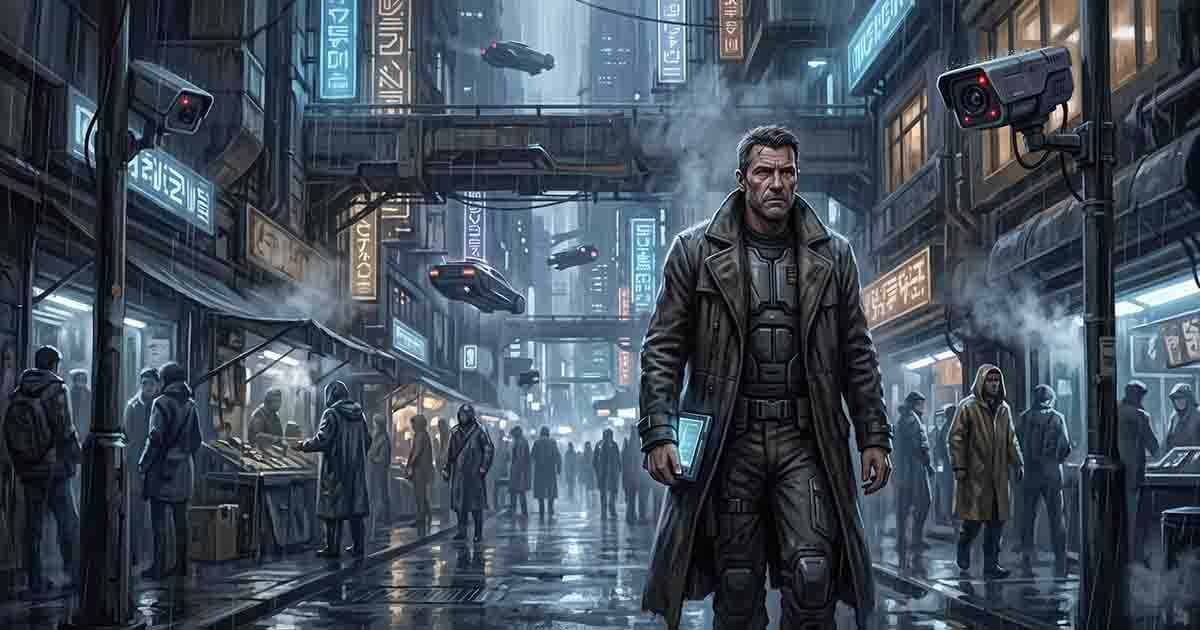
Kovacs suited such a world because Morgan never presented him as an ordinary man caught in extraordinary circumstances. He was an Envoy, trained to adapt rapidly to unfamiliar bodies, environments, and psychological situations.
That background made him an effective investigator. It also let Morgan put him in situations that would overwhelm a less capable protagonist.
Kovacs noticed weaknesses, read motives, absorbed punishment, and reacted to danger with unusual speed. His competence often made the action exciting because the reader understood that even a highly trained man could be pushed to his limits in this society.
The same quality sometimes worked against the character. Kovacs could appear more interesting for what he survived than for what he felt.
His detachment fit the setting, but it also created distance between the protagonist and the reader. Morgan occasionally treated emotional restraint as though it automatically produced depth.
The prose had a similar hard edge. Morgan wrote with speed, confidence, and little interest in making his future pleasant.
The violence was graphic, and the sexual material could be equally blunt. Contemporary reviewers noticed both qualities, and even favorable critics recognized that Morgan often pushed scenes beyond restraint.
Some of that excess belonged to the tradition Morgan had chosen. Hard-boiled fiction had always favored damaged investigators, corrupt institutions, violent encounters, dangerous temptations, and cynical observations about human nature.
"Altered Carbon" exaggerated those qualities through science fiction. When bodies became replaceable, Morgan gained permission to subject them to even more punishment.
At times, the approach became tiring. The novel occasionally seemed convinced that every scene needed another layer of brutality, danger, or moral decay.
Yet Morgan's worldbuilding remained strong enough to carry the book through those weaker passages. He filled the setting with technologies, institutions, slang, histories, and social practices that suggested a civilization much larger than the immediate investigation.
He also resisted explaining everything at once. The reader often encountered unfamiliar concepts through context, which gave the world a lived-in quality.
That confidence mattered. Morgan wrote the future as though its inhabitants already understood it, and the reader had to catch up.
Cyberpunk After Cyberpunk
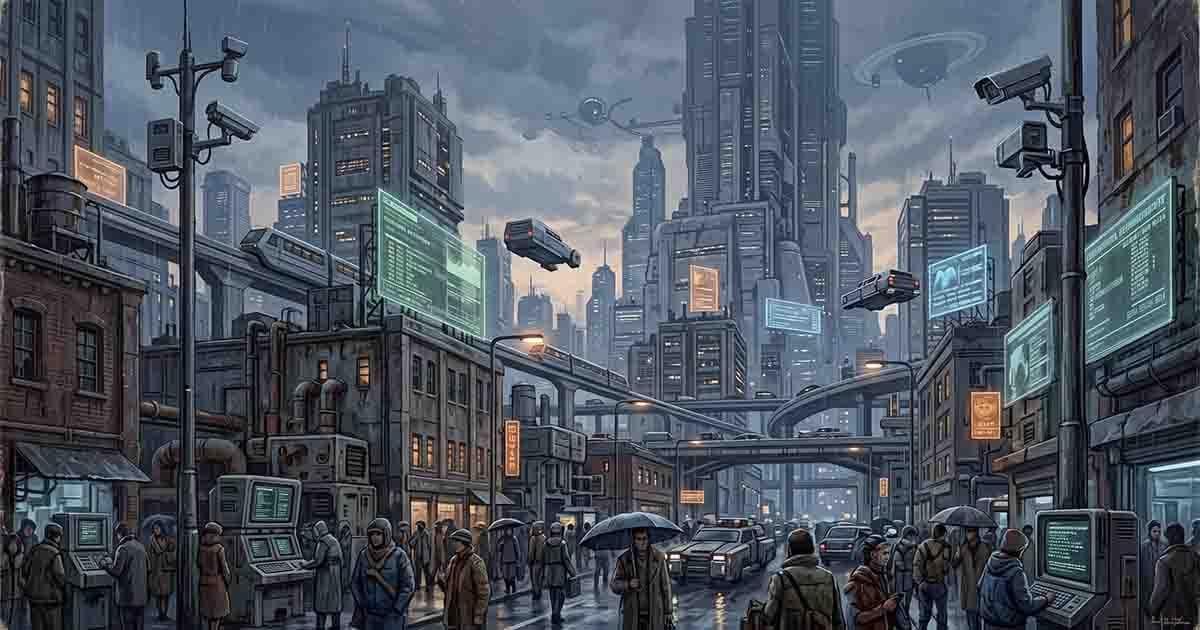
"Altered Carbon" did not invent cyberpunk, nor did it hide its debts to earlier science fiction. Readers familiar with "Neuromancer," "Blade Runner," and other stories about artificial identity, corporate power, damaged cities, and technological alienation could recognize the family resemblance immediately.
Morgan's achievement came from combination rather than invention. He took familiar materials and connected them with unusual force.
The cortical stack was not interesting merely because it preserved consciousness. It became interesting because Morgan followed its effects into law, economics, crime, warfare, punishment, transportation, and personal relationships.
That attention to consequence separated good worldbuilding from decorative worldbuilding. The future in "Altered Carbon" had been shaped by its technology instead of merely furnished with it.
The detective structure strengthened that approach because Kovacs constantly crossed social boundaries. His investigation moved between the extremely wealthy, the police, criminals, artificial intelligences, and ordinary people trying to survive inside institutions built around technologies they did not control.
The result felt recognizably cyberpunk while avoiding simple imitation. Morgan did not need to reinvent the genre because he understood how to make its familiar concerns serve a new story.
The Final Verdict
"Altered Carbon" was not a flawless novel. Its violence sometimes crossed from effective into excessive, its sexual material could become distracting, and Kovacs occasionally seemed designed more for endurance than emotional complexity.
Those weaknesses were real, but they did not cancel the novel's accomplishments. Morgan built an intricate mystery whose logic depended on science fiction, then surrounded it with a society that had been convincingly reshaped by the same technology.
The best science fiction often began with a familiar human desire and asked what might happen if technology finally satisfied it. Humanity had always wanted longer life, freedom from physical decline, and some means of escaping death.
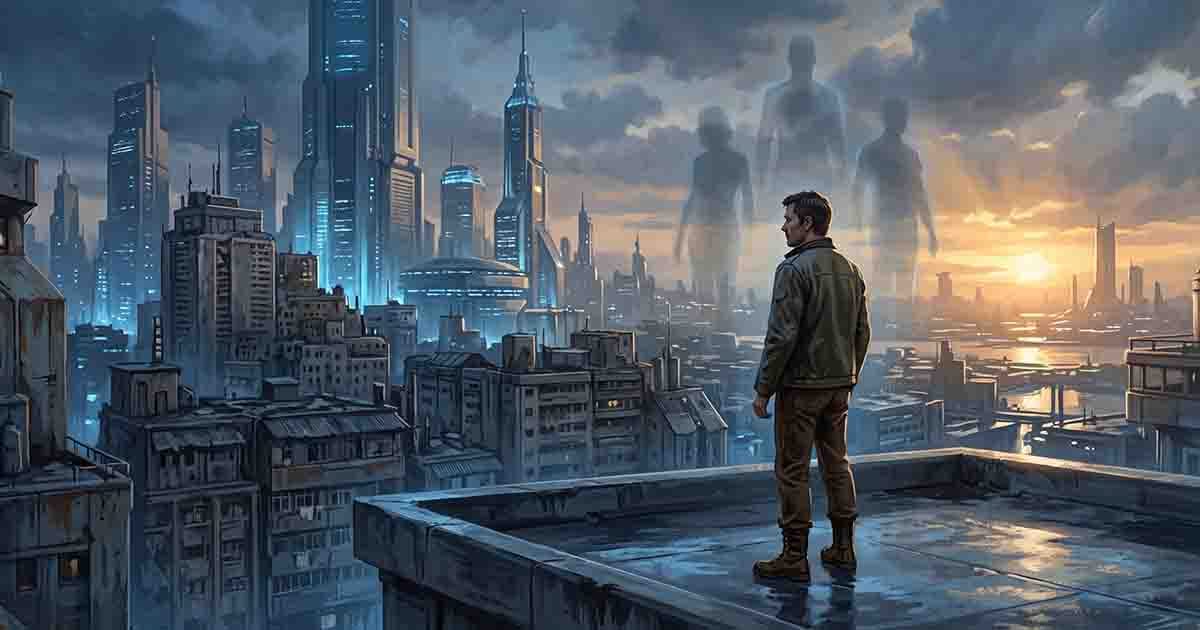
"Altered Carbon" offered those things and then asked what they would cost. Its answer was considerably less comforting than the original dream.
Immortality could become another luxury product. The body could become another commodity, and centuries of life could become another advantage available primarily to people who already possessed too much power.
That was the novel's most durable insight. Morgan understood that defeating death would not necessarily defeat the human impulses that made death frightening in the first place.
More than two decades after its publication, "Altered Carbon" remained an impressive piece of speculative crime fiction. It was fast, violent, cynical, inventive, and sometimes excessive, but its central ideas continued to reward serious thought after the gunfire stopped.
Morgan's greatest success lay in understanding that immortality became truly interesting only after somebody learned how to sell it. In "Altered Carbon," humanity conquered one of its oldest enemies and immediately found a way to turn the victory into a business.