
Why Mentats Use Sapho In "Dune"
Why do Mentats use Sapho in "Dune"? Explore the ruby-red stain, Mentat training, and Frank Herbert's vision of human potential in a world without computers.


Among the many unusual substances in Frank Herbert's "Dune," Sapho receives surprisingly little attention. Yet readers have remembered it for decades because of its connection to Mentats, the Imperium's human computers.
Its most recognizable effect is a ruby-red stain on the lips of regular users. That small detail helps reveal one of Herbert's central ideas about a future civilization built around trained human minds rather than thinking machines.
| Field | Information |
|---|---|
| Name | Sapho |
| Classification | Mentat stimulant |
| First Appearance | "Dune" (1965) |
| Primary Users | Thufir Hawat and Piter De Vries |
| Distinguishing Feature | Ruby-red lip stain |
| Canon Function | Associated with enhanced mental performance |
| Worldbuilding Role | Identifies members of the Mentat profession |
| Larger Theme | Human development after the ban on thinking machines |
Origins And Context
Sapho is a stimulant associated with Mentats, the highly trained analysts who perform functions once assigned to computers. In "Dune," the most prominent users are Thufir Hawat of House Atreides and Piter De Vries of House Harkonnen. The substance is famous for staining the lips a deep ruby red. That visual effect became one of the most recognizable signs of a Mentat.
The novels provide only limited information about Sapho itself. Herbert introduces it as part of the background of the Imperium rather than as a major plot element. Readers learn enough to understand its connection to Mentats, but little more. This approach is typical of Herbert's worldbuilding, which often hints at a much larger universe beyond the immediate story.
Later reference works identify Sapho as a high-energy liquid derived from barrier roots on the planet Ecaz. These details place the substance within the wider geography of the Imperium. Even so, Sapho remains a relatively minor element compared with the political and religious forces that drive the series. Its significance comes more from what it represents than from the amount of attention it receives.
The history of Sapho is linked to the history of the Imperium itself. Long before the events of "Dune," humanity rejected thinking machines after the Butlerian Jihad. Society responded by developing human capabilities rather than creating new forms of artificial intelligence. Mentats emerged as one of the most successful results of that transformation.

Role In The Story
Sapho helps establish Mentats as a distinct class within the Imperium. Readers can identify a Sapho user almost immediately because of the ruby stain left on the lips. A brief physical description communicates important information about a character's profession and training. Herbert frequently relies on concise details like this to strengthen his worldbuilding.
The substance is most closely associated with Thufir Hawat and Piter De Vries. Both men serve as advisers to powerful noble houses and rely on exceptional analytical abilities. Their connection to Sapho reinforces the idea that Mentats operate at a level beyond ordinary administrators. The association helps readers understand the demands placed upon these specialists.
Sapho also serves an important narrative purpose. Herbert spends little time explaining how Mentats perform their remarkable feats of analysis. Instead, he provides a few memorable details that quickly communicate their role. The ruby stain becomes a form of shorthand for intelligence, discipline, and specialized knowledge.

More Than A Stimulant
Some readers assume Sapho is responsible for Mentat abilities. The novels present a different picture. Mentat skill comes from rigorous training, discipline, and mental conditioning. Those qualities exist before Sapho enters the story.
Reference sources describe Sapho as enhancing or amplifying mental performance among some Mentats. Herbert offers few technical details about its effects. What remains clear is that Mentats are respected because of their training and expertise. Sapho is associated with that expertise, but it is not presented as a replacement for it.
This distinction reflects a recurring pattern in Herbert's fiction. Extraordinary abilities usually result from specialization and preparation. The Bene Gesserit, Guild Navigators, and Mentats all demonstrate different forms of human development. Sapho fits within that broader system rather than standing apart from it.

Sapho And Melange
Readers often compare Sapho with spice melange because both are linked to enhanced human abilities. The comparison is understandable, but the two substances serve very different purposes. Melange influences economics, politics, religion, and interstellar travel throughout the Imperium. Entire institutions depend upon it.
Sapho operates on a much smaller scale. Its primary association is with Mentat concentration and performance. Herbert uses melange as a driving force behind major events in the saga. Sapho functions as a supporting detail that helps explain one aspect of life within the Imperium.
Across The Adaptations
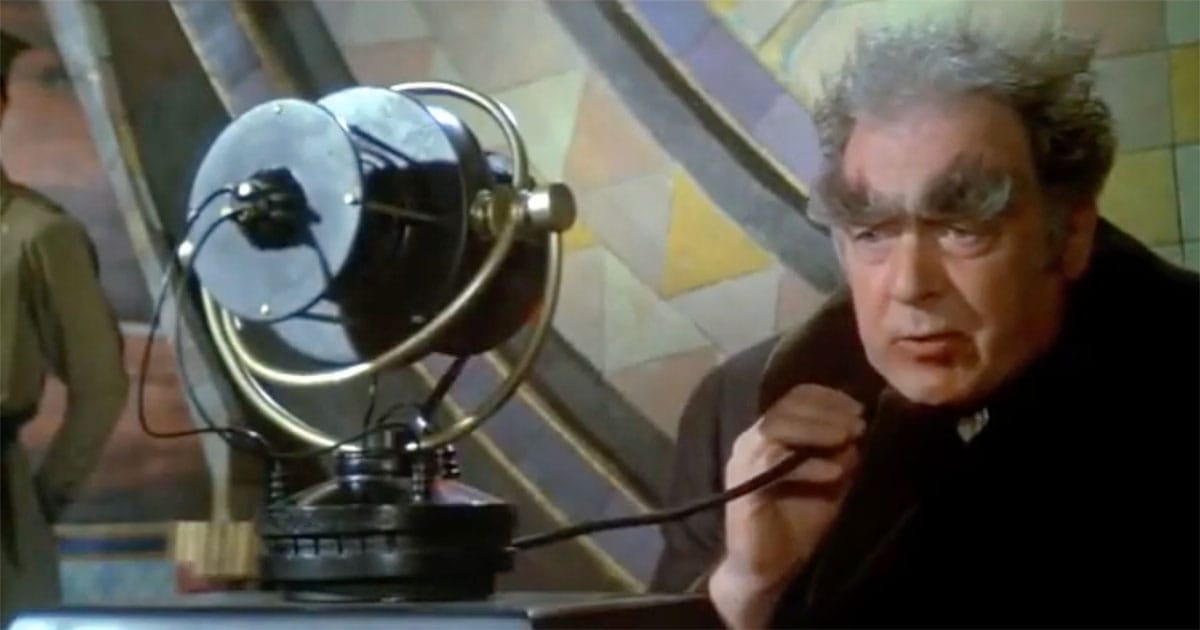
David Lynch's "Dune" places noticeable emphasis on the unusual appearance of Mentats and includes direct references to Sapho use. "Frank Herbert's Dune" follows a similar approach and continues to associate Mentats with distinctive visual markers. Both productions help viewers identify these characters quickly.
Denis Villeneuve's "Dune" and "Dune Part Two" adopt a more restrained style. The films place greater emphasis on behavior, calculation, and performance. Mentats remain visually distinct, although the presentation is subtler than in some earlier adaptations. The concept of a specialized intellectual class remains unchanged.

Why Fans Remember Sapho
Sapho occupies only a small corner of the "Dune" universe, yet it remains memorable decades after publication. Part of its appeal comes from its mystery. Herbert provides enough information to make the substance intriguing while leaving many details unexplained.
The substance also connects directly to one of Herbert's central ideas. The Imperium develops extraordinary people instead of relying on extraordinary machines. The stain on a Mentat's lips serves as a visible reminder of that choice. Few details in "Dune" communicate the theme so efficiently.
Source List
- "Dune" (1965) by Frank Herbert
- Dune Wiki Sapho Page
- Screen Rant Mentat Stain Article
- Dune Awakening Sapho Juice Page