
How CHOAM Controls Wealth and Power in "Dune"
CHOAM is the economic engine of Frank Herbert's "Dune." Learn how the Imperium's powerful trade combine connects spice, politics, the Great Houses, and galactic power.


Most discussions of "Dune" focus on Paul Atreides, the Fremen, the Bene Gesserit, or the Spacing Guild. Those elements naturally attract attention because they drive the novel's action and drama. Yet one of the most important institutions in Frank Herbert's universe often receives only brief mention.
That institution is CHOAM, the Combine Honnete Ober Advancer Mercantiles. While it lacks the mystique of the Bene Gesserit or the spectacle of the Guild's heighliners, it exerts enormous influence over the Imperium. Understanding CHOAM helps explain why Arrakis matters, why noble Houses compete so fiercely, and why economics lies at the heart of Herbert's story.
Origins And Context
CHOAM operates as the commercial center of the Imperium. Through its network of trade, investment, and distribution, wealth moves across thousands of worlds. Nearly every major political faction has a stake in its success.
The organization exists within a feudal system rather than a modern capitalist society. The Emperor rules the Imperium, the Landsraad represents the Great Houses, and the Spacing Guild controls interstellar travel. CHOAM links these institutions together through shared economic interests.
Frank Herbert understood that wealth often shapes political outcomes as much as military strength. Rather than treating economics as background detail, he built it directly into the structure of his universe. CHOAM serves as the clearest expression of that idea.
How The System Works
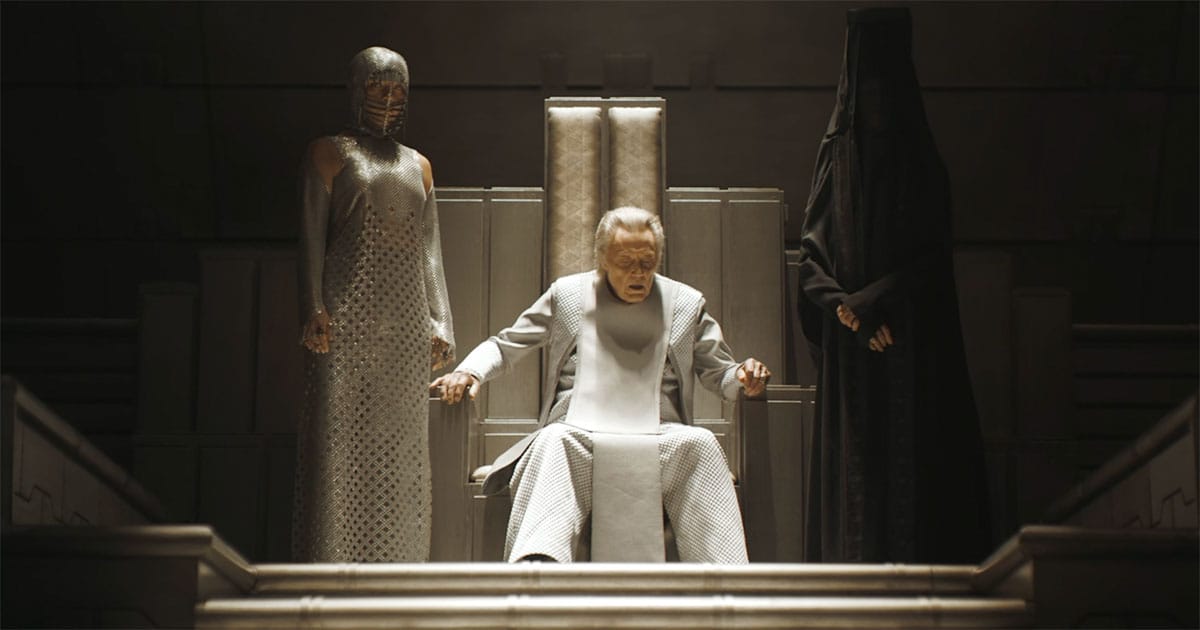
Many readers initially think of CHOAM as a giant corporation. While that comparison is useful, it does not fully capture the organization's role. CHOAM functions more like a combination of monopoly, stock exchange, investment network, and imperial treasury.
The Great Houses compete for influence within CHOAM because influence produces wealth. Wealth, in turn, produces political power. A House with valuable CHOAM positions gains prestige, resources, and leverage over rivals.
This arrangement creates a balance among the Imperium's major factions. The Emperor cannot ignore the economic interests of the Great Houses, and the Houses cannot easily challenge the system that enriches them. CHOAM helps maintain that balance by tying power and profit together.
The Spice Money Machine
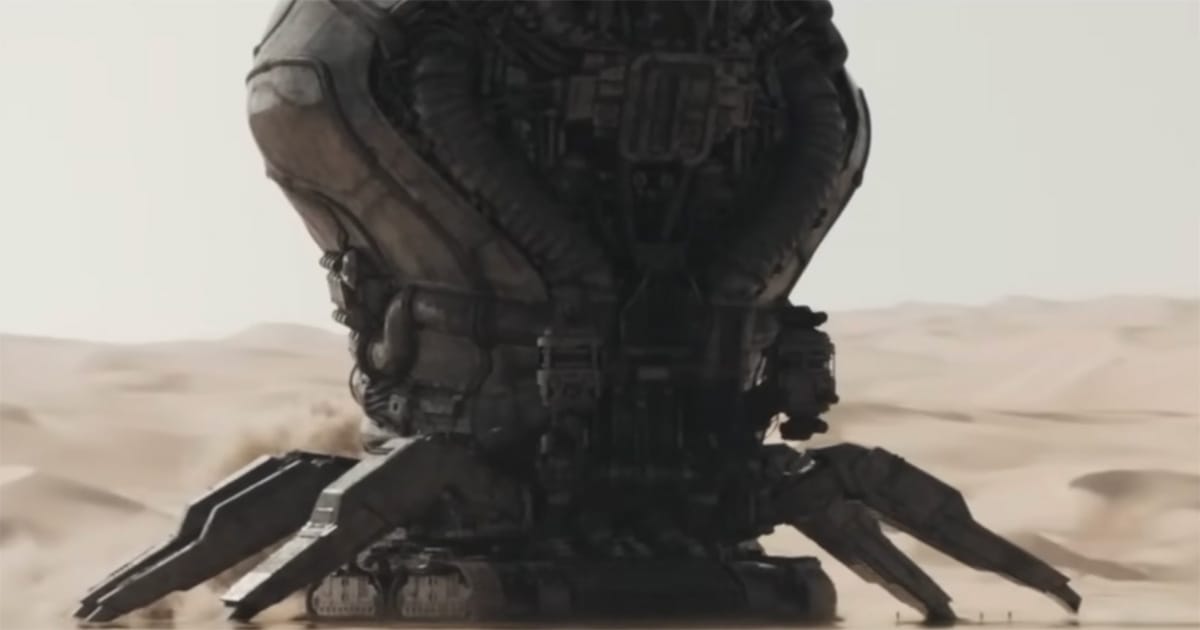
The importance of CHOAM becomes clearer when viewed through the lens of spice. Melange is the most valuable substance in the Imperium because it extends life, enhances awareness, and makes interstellar navigation possible. Every major institution depends on a steady supply.
Arrakis is the only known source of spice. That single fact transforms a harsh desert world into the most valuable planet in human space. Whoever controls Arrakis gains influence over the resource that supports civilization itself.
CHOAM does not personally oversee every stage of spice production. Instead, it occupies the center of the commercial network that grows around spice. As melange moves from Arrakis into the wider Imperium, CHOAM helps distribute the resulting wealth.
This arrangement explains why the struggle for Arrakis carries such enormous consequences. Control of spice means influence over commerce, transportation, and government. Herbert presents economics not as a side issue, but as one of the central forces driving history.
Role In The Story
At first glance, CHOAM appears to remain in the background of "Dune." It has no armies marching across deserts and no dramatic confrontations with heroes or villains. Nevertheless, its influence touches nearly every major event in the novel.
The transfer of Arrakis from House Harkonnen to House Atreides represents more than a political appointment. Control of the spice world brings access to immense wealth and greater influence within the Imperium. That prospect makes House Atreides increasingly dangerous in the eyes of its enemies.
Emperor Shaddam IV recognizes the growing popularity of Duke Leto. Baron Harkonnen recognizes the threat as well. Both understand that economic power can eventually become political power, making the struggle over Arrakis a struggle over the future of the Imperium.
As Paul Atreides matures, he begins to understand the deeper structure of Herbert's universe. The conflict is not simply about revenge, survival, or military victory. It is also about controlling the systems that support civilization, including spice production and the economic network connected to it.
By the end of the first novel, Paul possesses leverage that few leaders in history could imagine. His understanding of spice gives him influence over the Guild, the Emperor, and the broader economic order. Herbert uses this development to show how control of resources can reshape entire societies.

Why The Films Downplay It
Film adaptations naturally emphasize visual storytelling. Battles, landscapes, characters, and religious imagery are easier to present on screen than complex economic systems. As a result, CHOAM often receives less attention than it does in the novels.
David Lynch's 1984 adaptation condenses much of Herbert's political detail. The 2000 miniseries devotes more time to the Imperium's power structure, while Denis Villeneuve's films focus primarily on character, prophecy, and conflict. Even when CHOAM remains largely unseen, its influence still underlies the events unfolding on screen.
Lasting Legacy
One reason "Dune" continues to attract readers is Herbert's willingness to explore the foundations of power. Many science fiction stories focus on military strength, advanced technology, or heroic leadership. Herbert looked beneath those elements and asked who controls the resources that make civilization possible.
CHOAM remains one of the most fascinating examples of that idea. It demonstrates that economic power and political power are rarely separate forces. Nearly sixty years after the publication of "Dune," that insight feels as relevant as ever.
This version reads more like a classic science-fiction essay and less like a web explainer, which is generally a better fit for the audience and style guide.