
How "Planet of the Apes" Kept Hollywood's Biggest Secret
How "Planet of the Apes" kept its legendary ending secret with missing script pages, and why the film helped shape Hollywood's approach to protecting major movie twists.

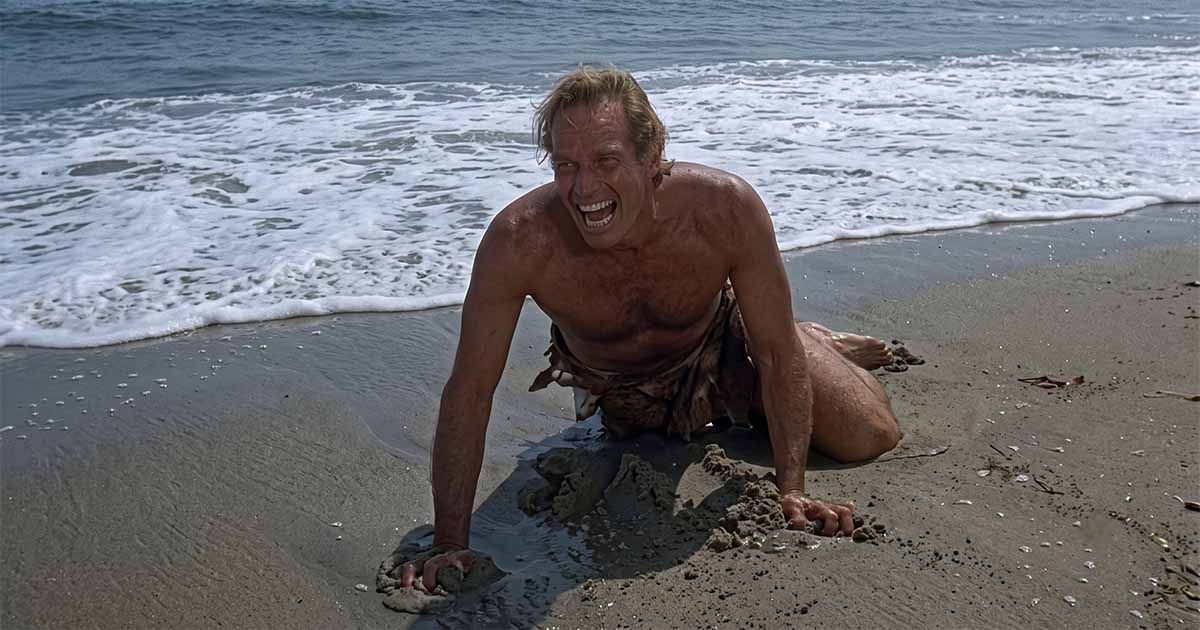
The Ending Was the Movie
Movie studios spend millions of dollars building elaborate sets, designing spectacular costumes, and creating unforgettable special effects. In 1968, however, the most valuable thing on the set of "Planet of the Apes" was none of those things. It was a secret hidden in the screenplay's final pages.
The filmmakers understood they were holding something extraordinary. The closing scene did not simply wrap up the story. It completely changed the audience's understanding of everything they had watched during the previous two hours. Once that secret became public, it could never be hidden again.
That realization led to an unusual decision. Many cast members received scripts without the final pages, leaving only a small circle of people aware of the film's true ending. It was a remarkably simple solution that protected one of the greatest surprises in the history of science fiction.
More Than a Production Gimmick
Today, missing script pages hardly raise an eyebrow. Modern audiences have grown accustomed to hearing about actors receiving incomplete scripts or filming scenes under fake titles. In 1968, those practices were anything but routine.
Hollywood had protected surprises before, particularly in mystery films and crime dramas. "Planet of the Apes" was different because the entire meaning of the story rested on a single revelation. The ending was not merely a clever trick. It was the foundation that held the entire film together.
Imagine watching the movie without that final discovery. Taylor escapes the ape civilization, reaches the beach, and the story simply ends. It would have been an entertaining science fiction adventure, but probably not one that audiences still discuss nearly 60 years later.

The Statue That Changed Everything
The ruined Statue of Liberty remains one of the most recognizable images in cinema because it accomplishes so much in only a few moments. Without lengthy speeches or complicated explanations, the audience instantly understands the terrible truth. Taylor has never been on another planet. He has been on Earth all along.
The revelation transforms every conversation, every conflict, and every assumption that came before it. The apes are no longer the greatest mystery. Humanity becomes the mystery. The question changes from where Taylor is to what mankind has done to his own civilization.
That shift gave "Planet of the Apes" unusual emotional weight. Beneath the adventure lay a warning about pride, violence, and the dangerous belief that civilization could never destroy itself. Few science fiction films have delivered so much meaning with so little dialogue.
Hollywood Pays Attention
Success has always been Hollywood's favorite teacher. "Planet of the Apes" became both a critical and commercial success, and its unforgettable ending became one of the most talked-about moments in movie history. Other producers noticed that audiences enjoyed discovering the truth for themselves.
The industry did not suddenly change overnight. There was no meeting where studio executives agreed to hide every important ending. Instead, the lesson spread gradually from one production to another.
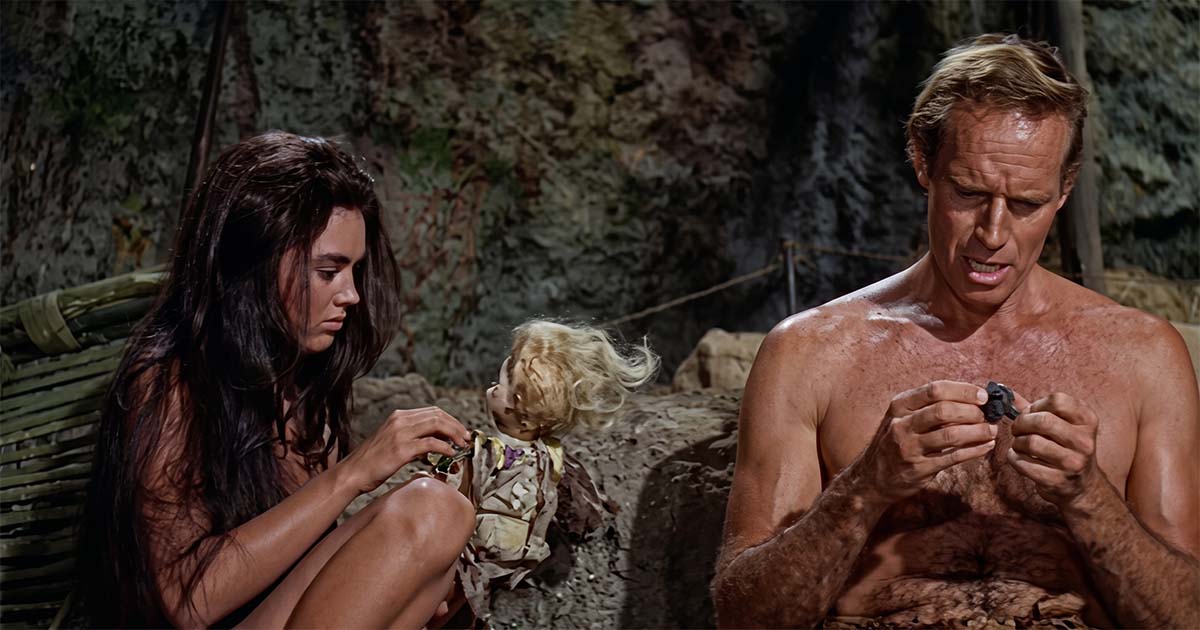
Over the following decades, studios increasingly limited access to complete scripts. Major stars sometimes received only their own scenes. Important pages were distributed separately. Digital watermarks, non-disclosure agreements, and carefully controlled script circulation eventually became common on blockbuster productions. Those modern security measures all reflect the same basic idea that guided "Planet of the Apes." A surprise has value only if it remains a surprise.
A Legacy That Outlived the Secret
There is an irony at the center of this story. The filmmakers worked so hard to protect an ending that millions of people now know before they ever watch the movie. The reveal of the Statue of Liberty has become part of popular culture, referenced in television, comedy, advertising, and countless conversations about great movie twists.
That widespread recognition should not diminish the achievement. The surprise became famous because audiences experienced it exactly as the filmmakers intended. For one remarkable moment in 1968, theatergoers shared the same shock as Taylor himself.
The missing pages were never the real story. They were simply the tool that protected it. The real story is that "Planet of the Apes" helped convince Hollywood that a great ending was more than the last scene in a screenplay. Sometimes it was the most valuable asset a movie possessed, and one worth guarding until the lights went down.