
Why "Snow Crash" Remains One of Cyberpunk's Defining Novels
Neal Stephenson's "Snow Crash" blends cyberpunk action, sharp satire, and ambitious ideas into a science fiction classic whose influence continues to shape discussions of virtual reality and technology.

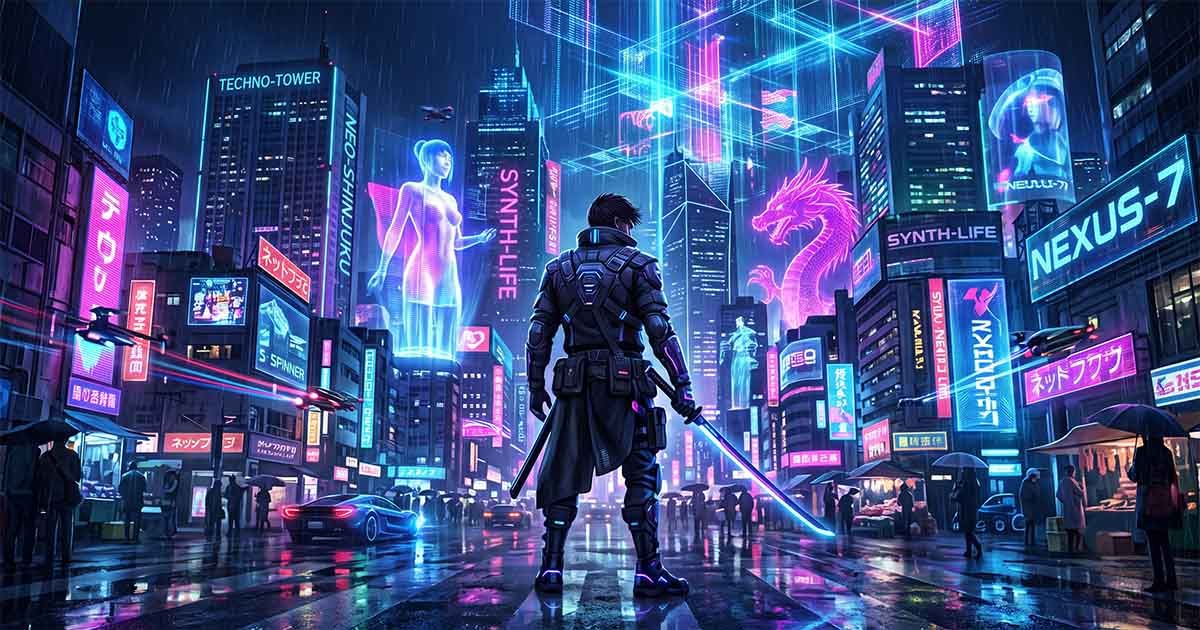
Cyberpunk Grows Up
By the early 1990s, cyberpunk had already carved out its territory in science fiction. Readers knew the signs. They expected hackers, corporate power, urban decay, and a future where technology moved faster than law, custom, or common sense.
Neal Stephenson entered that territory with "Snow Crash" and changed the weather. He kept the genre's familiar machinery, but he added speed, absurdity, and a comic eye for American excess. Where many earlier cyberpunk novels brooded in the shadows, Stephenson pushed his story into bright, dangerous daylight.
The novel follows Hiro Protagonist, a gifted hacker and swordsman, as he investigates a mysterious digital threat tied to a sprawling future America and its virtual counterpart, the Metaverse. He soon crosses paths with Y.T., a young courier whose nerve and competence match the book's breakneck pace.
The question is not whether "Snow Crash" has ideas. It has plenty. The better question is whether Stephenson turns those ideas into a satisfying story, or whether the engine finally outruns the chassis.
A Wild Ride Through Tomorrow
Hiro Protagonist lives in a future where almost everything has become a business. Governments still exist, although they have surrendered much of their authority to corporations, commercial franchises, and privately controlled communities. Survival depends upon adaptability, reputation, and the ability to move quickly through a society where every service has a price and every organization competes for customers.
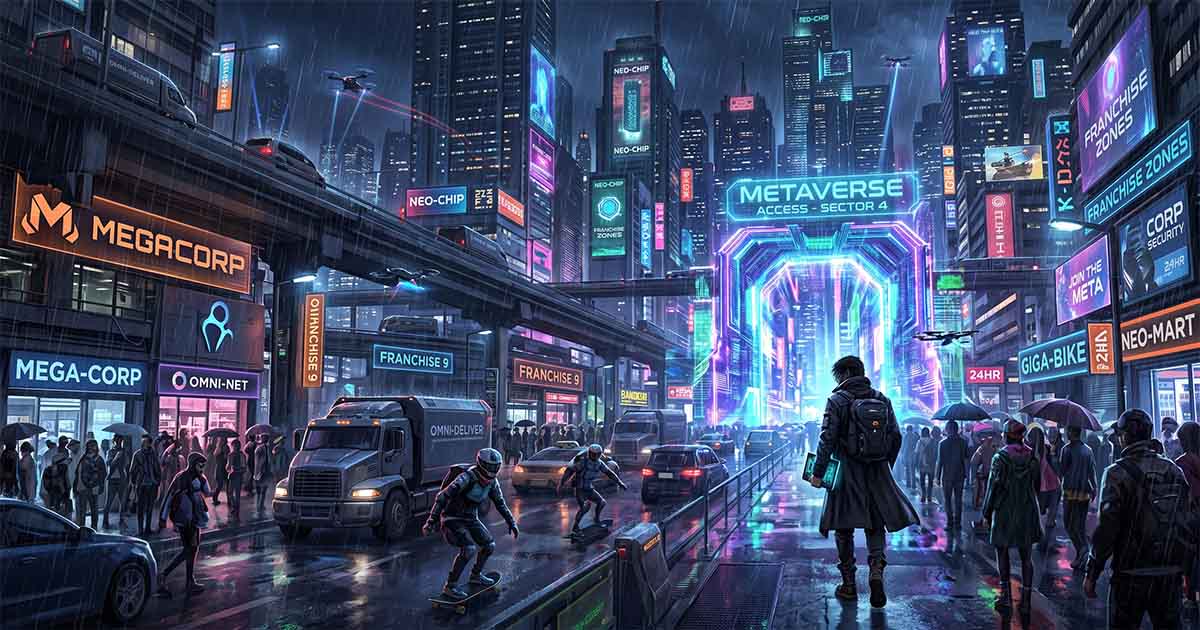
When Hiro encounters the mysterious phenomenon known as Snow Crash, what begins as a straightforward investigation gradually reveals a much larger mystery. His search for answers carries him through both the physical world and the digital frontier known as the Metaverse. Stephenson unfolds these discoveries with care, allowing the reader to learn alongside the characters without revealing the novel's larger surprises.
Hiro serves as an ideal guide through this remarkable setting. Resourceful, intelligent, and supremely confident, he possesses the skills needed to navigate both computer networks and dangerous streets. His partner, Y.T., provides an equally memorable counterbalance. As a fearless teenage courier, she combines quick thinking with an independent streak that keeps the story lively whenever she enters the page.
The Metaverse remains the novel's most celebrated invention. Long before online virtual worlds became commonplace, Stephenson imagined an immersive digital environment where people could conduct business, socialize, compete, and reinvent themselves. The concept feels striking not because of its technology alone, but because Stephenson understands that every technological revolution ultimately changes human behavior.
Action propels nearly every chapter. Sword fights, high-speed chases, clever dialogue, and moments of broad satire blend seamlessly with speculative technology. The result is a novel that entertains first, while quietly inviting the reader to consider where modern society might be heading.
More Than a Cyberpunk Adventure
The greatest strength of "Snow Crash" is not its action, although there is plenty of that. Nor is it simply its inventive setting, impressive as that may be. What elevates the novel above many of its contemporaries is Stephenson's determination to ask large questions about civilization while never losing sight of the story. He treats science fiction as a laboratory where ideas can be tested as thoroughly as characters.
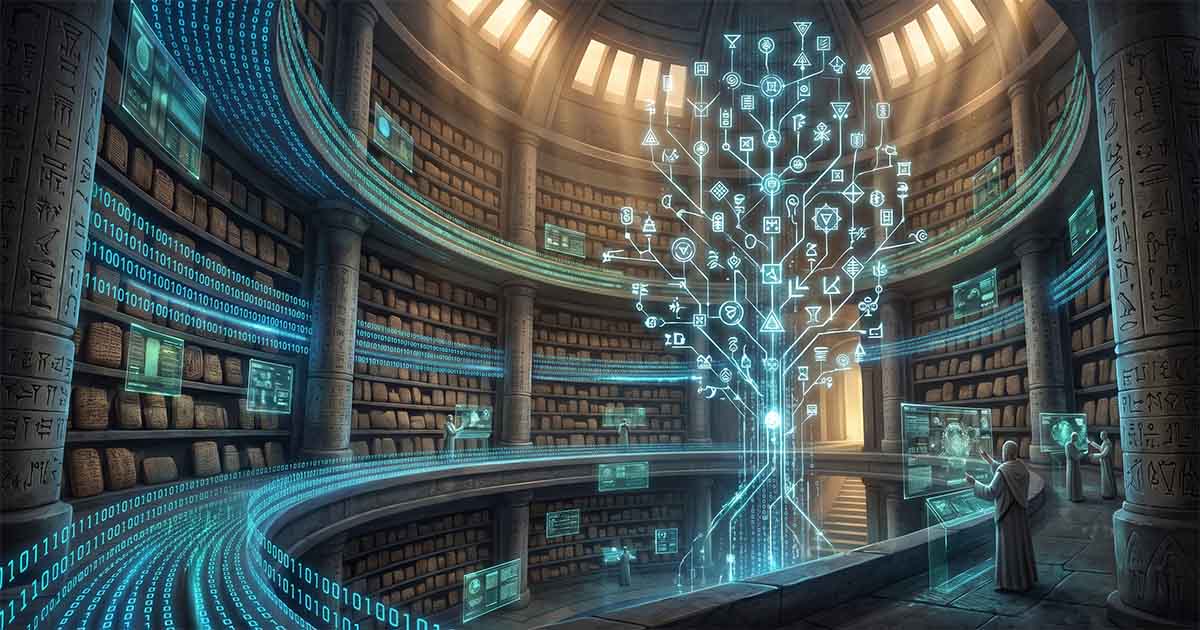
Information lies at the center of nearly every conflict in the novel. Stephenson argues that knowledge is more than a collection of facts. It is a source of influence, authority, and control. Those who gather, protect, or manipulate information possess an advantage that extends well beyond wealth or military strength. Three decades after the novel's publication, that observation feels remarkably relevant in an age shaped by digital communication, social media, and artificial intelligence.
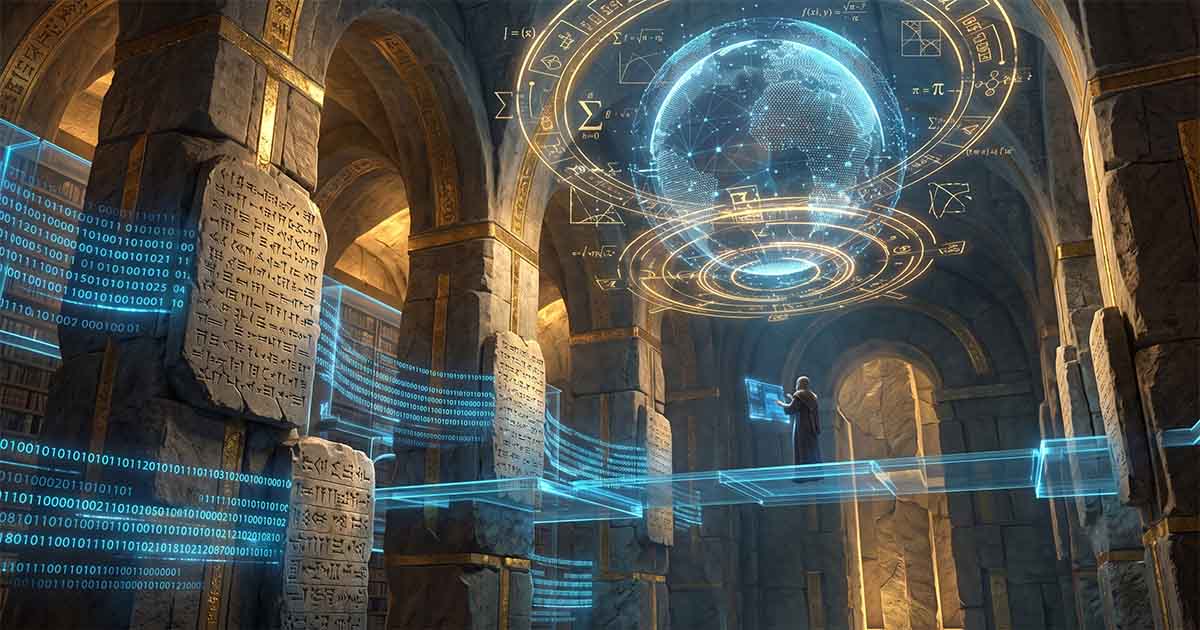
Equally fascinating is the novel's treatment of language. Stephenson imagines language as something far more powerful than a simple means of communication. In his speculative world, words become tools capable of shaping thought and, by extension, civilization itself. The concept stretches well beyond traditional cyberpunk and ventures into philosophy, linguistics, and ancient history without losing its connection to the central narrative.
That willingness to draw from unexpected sources gives "Snow Crash" much of its originality. Stephenson combines Sumerian mythology, religious history, computer science, neuroscience, and information theory into a single speculative framework. Another writer might have produced an academic exercise. Stephenson instead delivers an entertaining adventure that encourages the reader to think while turning the pages.
Corporate power provides another important thread running through the novel. Traditional institutions have weakened, leaving businesses to perform roles once associated with governments, schools, and public services. Stephenson presents this commercial landscape with sharp satire rather than heavy-handed criticism. The humor makes the setting enjoyable, although the questions beneath the comedy remain serious.
Technology itself receives similarly balanced treatment. Stephenson clearly delights in innovation and celebrates the creativity that drives scientific progress. At the same time, he reminds the reader that every technological breakthrough carries consequences beyond its original purpose. New tools change the way people communicate, organize society, conduct business, and even understand themselves.
What makes these themes especially effective is the way Stephenson weaves them into the narrative. Lengthy discussions of history and technology appear throughout the novel, yet they rarely feel disconnected from the larger story. Each new concept raises the stakes instead of distracting from them, giving the reader another reason to follow the mystery wherever it leads.
Perhaps that explains why "Snow Crash" has remained influential for more than thirty years. Some of its predictions now appear surprisingly accurate, while others clearly belong to the speculative imagination of the early 1990s. Yet prediction has never been the novel's greatest achievement. Its lasting appeal comes from its curiosity about how ideas spread, how societies change, and how technology reshapes human civilization without ever changing human nature itself.
Brilliant, Uneven, and Unforgettable
Neal Stephenson writes with the confidence of an author who never doubts the reader's ability to keep up. His prose is brisk, conversational, and packed with memorable images that arrive one after another without slowing the story. Even when the subject turns technical, his writing rarely becomes dry because he approaches complex ideas with curiosity and wit rather than academic formality.
That confidence extends to the novel's world-building. Stephenson does not stop to explain every detail of his future society before the story begins. Instead, he trusts the reader to assemble the larger picture from countless small observations. A passing conversation, an unusual business arrangement, or a brief encounter with an eccentric character often reveals more about this world than pages of exposition could accomplish.
His satire also deserves special recognition. Many science fiction writers imagine futures dominated by technology, although Stephenson pays equal attention to commerce, advertising, and consumer culture. He exaggerates familiar trends until they become funny, then quietly reminds the reader that every joke contains more than a grain of truth. The humor keeps the novel from becoming oppressive, even when its ideas grow increasingly serious.
Pacing remains another of Stephenson's greatest strengths. Action scenes arrive frequently, although they seldom exist for their own sake. Every chase, confrontation, and narrow escape advances the larger narrative while revealing another layer of the world or another piece of the central mystery. That steady forward motion gives "Snow Crash" an infectious energy that makes it difficult to put down.
Dialogue contributes just as much to the novel's momentum. Characters speak with confidence, intelligence, and a dry sense of humor that reflects Stephenson's own voice as a storyteller. Conversations often carry the same excitement as the action because they introduce new ideas while deepening the personalities of the people speaking.
Ambition, however, carries its own risks. Stephenson occasionally becomes so fascinated by his subject that the story pauses for lengthy discussions of history, language, or technology. Those passages reward readers who enjoy following an author's intellectual curiosity, although they can briefly interrupt the novel's otherwise relentless pace.

Characterization also presents a more complicated picture. Hiro Protagonist and Y.T. are consistently engaging, resourceful, and entertaining companions. Even so, they sometimes function less as deeply emotional individuals than as capable guides leading the reader through Stephenson's remarkable ideas. The novel's intellectual framework often receives more attention than its inner lives.
Interestingly, many of the earliest reviews reached similar conclusions. Contemporary critics praised Stephenson's originality, humor, and astonishing imagination while observing that the exposition occasionally overshadowed the characters. Looking back after more than three decades, those early assessments remain remarkably perceptive. Time has confirmed both the novel's strengths and its shortcomings.
Yet those shortcomings never define the reading experience. Stephenson aims higher than simply telling an exciting story, and that ambition occasionally produces rough edges. The novel succeeds because its imagination, energy, and intellectual reach more than compensate for its imperfections. Few science fiction novels attempt so much, and even fewer accomplish so much while remaining as entertaining as "Snow Crash."
Still Racing Into Tomorrow
Few science fiction novels have enjoyed the lasting influence of "Snow Crash." Its vision of immersive virtual worlds helped shape later discussions about online communities, digital identity, and the future of the internet. Although some of its technological predictions now reflect the era in which the novel was written, its larger observations about communication, commerce, and human behavior remain strikingly relevant.
The novel succeeds because it is far more than a collection of clever predictions. Stephenson understood that technology changes society only because people change with it. His interest in human nature gives the story a depth that allows it to outlive the headlines and technological trends that inspired it.
"Snow Crash" is not without flaws. Its ambitious ideas occasionally slow the narrative, and its characters sometimes play a supporting role to the concepts they explore. Even so, those imperfections never diminish the excitement, originality, or sheer enjoyment of the experience.
More than thirty years after its publication, "Snow Crash" remains one of the most imaginative, entertaining, and thought-provoking science fiction novels of its era. It expanded the possibilities of cyberpunk, challenged readers to think beyond the next technological breakthrough, and proved that a great science fiction adventure can entertain the imagination while engaging the intellect.